The Best Fluffy Pancakes recipe you will fall in love with. Full of tips and tricks to help you make the best pancakes.

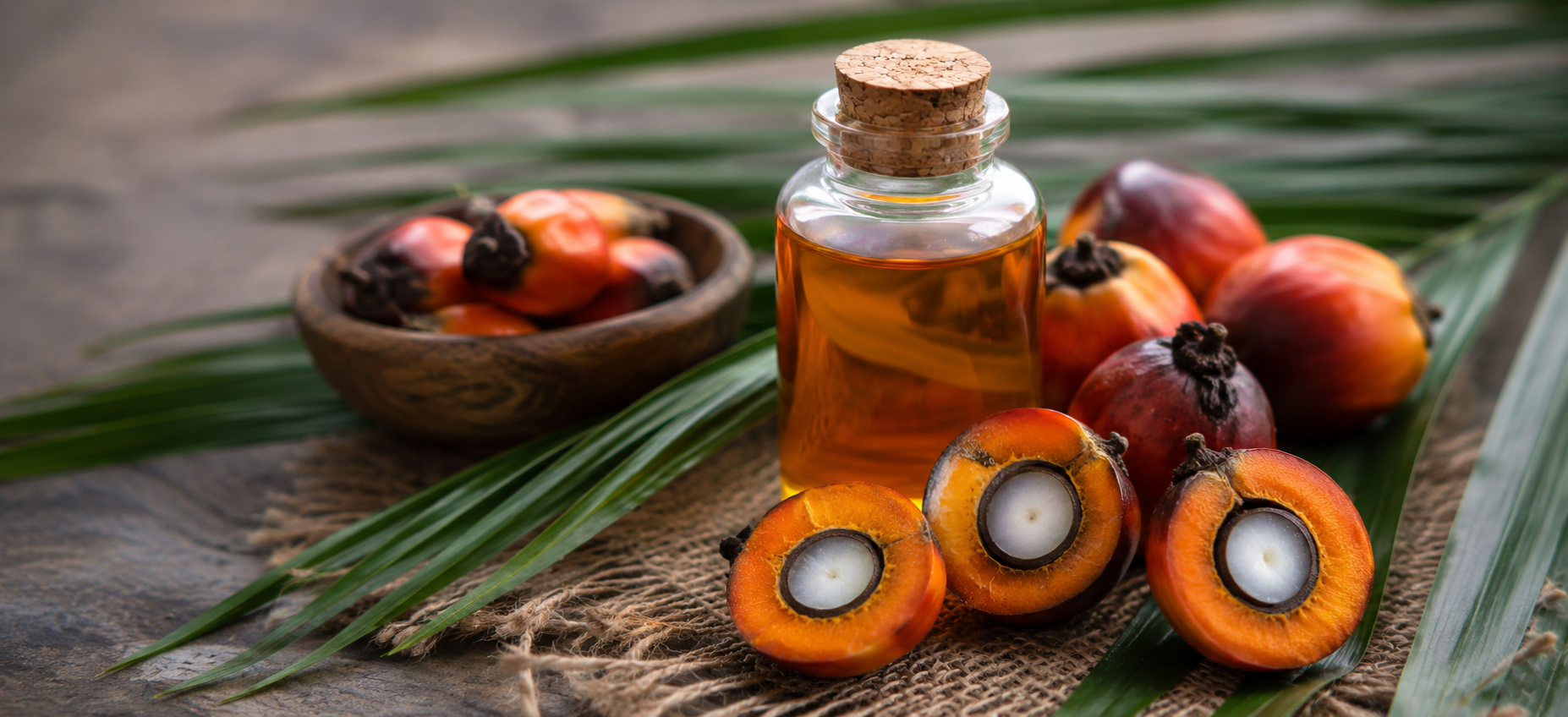
Batana oil has had quite a year on social media.
Videos of dramatic hair transformations, before-and-after reels, influencers crediting it with reversing hair loss and preventing gray hairs – the claims have been extraordinary. And the search volume followed. Millions of people now want to know if this golden oil from Honduras is the thing their hair has been missing, or just another wellness trend that looks better in a sixty-second video than it performs in real life.
The honest answer sits somewhere in the middle. Here’s what the science actually says, stripped of the hype.
Where It Comes From
Batana oil is extracted from the nuts of the American oil palm tree – Elaeis oleifera – native to the tropical rainforests of Honduras and Central America. The Miskito people of Honduras, sometimes called the Tawira tribe, have used it for centuries. Tawira translates roughly to “people of beautiful hair.” That’s not marketing copy – it’s a genuine part of their cultural identity, and the oil is central to it.
The extraction process is traditionally done by hand. Palm nuts are harvested, cracked open, and the oil is pressed from the kernels. The result is a rich, deep amber oil – thicker than most hair oils, closer to a soft butter consistency – with a distinctive smoky, nutty, earthy smell. That smokiness is a byproduct of the traditional extraction method, not an additive. If a batana oil product smells heavily perfumed or odorless, it has likely been processed in ways that alter the original composition.
The oil is also known as Ojon oil – a name some western brands use. The INCI name on cosmetic ingredient labels is Elaeis oleifera. Same thing.
What’s Actually In It
The reason there’s any legitimate interest in batana oil beyond cultural tradition is its nutrient profile. It contains a genuinely useful combination of ingredients.
Oleic acid – an omega-9 fatty acid – makes up a significant portion of the oil’s composition. Oleic acid is known for its ability to penetrate the hair shaft rather than just sitting on top of it, which is what distinguishes a genuinely conditioning oil from one that just adds surface shine. It reinforces the hair’s structure from within and reduces moisture loss over time.
Linoleic acid – an omega-6 fatty acid – is the other major fatty acid present. It’s lighter than oleic acid and plays a role in maintaining the scalp’s moisture barrier. Scalps deficient in linoleic acid tend toward dryness and increased sensitivity.
Vitamin E is present in meaningful quantities. As an antioxidant, it protects the scalp and hair from oxidative stress – the cellular damage caused by UV rays, pollution, and environmental exposure. It also has mild anti-inflammatory properties that can soothe an irritated scalp.
Carotenoids – the same antioxidant pigments found in carrots and sweet potatoes – give the oil its deep amber color and contribute to its antioxidant activity. Research on carotenoids applied topically has shown some evidence of protection against UV-induced skin aging, though this research was conducted on skin rather than batana oil specifically.
What the Science Actually Says
This is the part most social media content skips.
There are no large clinical studies specifically on batana oil. None. The research simply hasn’t caught up with the viral moment. What we can say is based on what we know about its component ingredients – which is meaningful, but it’s not the same as studying batana oil directly.
WebMD’s medically reviewed guide to batana oil, reviewed by dermatologist Dr. Stephanie Gardner in September 2025, puts it plainly – the nutrients in batana oil may be good for hair and skin, but studies showing those benefits were conducted using other plant sources, not batana oil itself. The claims about preventing hair loss and reversing gray hair are not supported by evidence.
What experts do believe is that batana oil likely works the way other well-studied plant oils work. It moisturizes the scalp and conditions the hair shaft. It creates a healthier environment for existing hair to grow. Those are real benefits. They’re just not the same as regrowing hair on a bald spot or chemically reversing pigment loss in gray strands.
Healthline’s analysis of batana oil for hair loss reinforces this – the oil is considered relatively safe for most people to try, and its fatty acid and antioxidant content does have plausible mechanisms for supporting hair health. But for anyone experiencing active hair loss, it’s not a substitute for a dermatologist evaluation. Hair loss has causes that require diagnosis. An oil can support a healthy scalp environment. It can’t treat androgenetic alopecia, alopecia areata, or telogen effluvium.
The scalp massage component is worth mentioning separately. Most people who use batana oil massage it into their scalp. Scalp massage itself – regardless of what oil you’re using – has evidence behind it for promoting blood flow to hair follicles. Some of the growth results people attribute to batana oil may be partially attributable to the massage practice that comes with it.
What It’s Genuinely Good For
Setting aside the overclaims, batana oil has a legitimate place in a hair care routine for certain people.
Dry, brittle, or damage-prone hair is where it performs best. The oleic acid penetrates the shaft and reinforces it from within. The result over consistent use is hair that feels softer, breaks less, and has more visible shine. For hair that has been through bleaching, chemical treatments, or heavy heat styling, that kind of structural conditioning is genuinely useful.
Dry scalp is the other strong use case. The fatty acid combination – oleic and linoleic acids together – addresses scalp dryness at the barrier level, not just at the surface. People who find standard scalp oils sit on top without absorbing will often find batana oil behaves differently because of its penetrating oleic acid content.
For skin, the antioxidant and fatty acid content makes it a reasonable moisturizer for dry body skin. There’s no strong evidence for anti-aging effects specifically from batana oil, though the vitamin E and carotenoid content does have antioxidant properties that protect against environmental damage.
What it won’t do – despite what the viral videos suggest – is reverse graying hair, regrow hair in areas of significant hair loss, or produce dramatic transformations in a matter of weeks. Managing expectations here is part of actually benefiting from the oil.
How to Use It
The consistency is thicker than most hair oils, so application technique matters.
For a scalp treatment, warm a small amount – start with about half a teaspoon for medium-length hair – between your palms until it liquefies. The warmth is necessary because the oil is semi-solid at room temperature. Once liquid, section the hair and massage it directly into the scalp using circular motions. Leave it for at least thirty minutes. Overnight works better. Wash out thoroughly with shampoo – it may take two rounds to fully remove.
Once or twice a week is enough for most hair types. More than that and you risk buildup, particularly on fine hair or oily scalps. If your scalp tends toward oiliness already, use it as an ends treatment only rather than a scalp application.
For a leave-in treatment on very dry or damaged hair, use the smallest possible amount – a dime-sized portion warmed between palms – and apply to the mid-lengths and ends only, avoiding the roots. Too much product will weigh hair down and create a greasy finish rather than a healthy sheen.
Patch test first. Any oil can cause an allergic reaction, and if you have a known sensitivity to palm oil or palm byproducts, err on the side of caution. Apply a small amount to the inside of your wrist or behind the ear and wait twenty-four hours before full application.
What to Look for When Buying
The quality range is wide. The TikTok boom has brought a lot of products to market with “batana oil” on the label that contain minimal actual batana oil alongside a mixture of cheaper carrier oils.
Look for products that list Elaeis oleifera as the first or primary ingredient – not buried at the bottom of a long ingredient list where it’s essentially a trace amount. The oil should have that characteristic smoky, earthy smell in its pure form. Products that smell like nothing or like synthetic fragrance have been heavily processed.
Cold-pressed or traditionally extracted is the better choice over chemically refined versions. Authentically sourced batana oil comes from Honduras, where it is sustainably harvested by Miskito communities. Brands that are transparent about sourcing and community support are generally producing a more genuine product than those that offer no sourcing information at all.
Pure batana oil is solid or semi-solid at room temperature. If a product marketed as pure batana oil is completely liquid at room temperature, it has likely been blended with lighter liquid oils.
How It Fits Into a Clean Beauty Routine
If you’re already paying attention to what goes on your hair and skin – reading ingredient labels, avoiding harsh synthetics – batana oil fits naturally into that approach. It’s a single-ingredient oil with no additives, no synthetic fragrance, no parabens. Just the oil.
It pairs well with other clean hair care practices. Using it alongside a clarifying wash once a week prevents buildup. Combining it with a scalp massage routine – even just five minutes of fingertip pressure across the scalp before washing – amplifies the circulation benefit beyond what the oil alone provides. If you’ve been building out a cleaner overall routine, our guide to non-toxic lipstick covers the same ingredient-first thinking applied to lip products.
For more evidence-based health and wellness content covering everything from clean beauty ingredients to everyday wellbeing, the full health category has the longer reading.
The Short Version
Batana oil is a genuinely nutrient-rich oil with a real history and plausible mechanisms for supporting hair and scalp health. Its fatty acid profile is well-suited to dry, damaged hair. Its antioxidant content is real.
The viral claims about reversing hair loss and preventing gray hair are not supported by evidence. No clinical studies on batana oil exist. What’s likely happening for people who see results is a combination of genuine scalp conditioning, reduced breakage from a healthier hair shaft, and the benefits of consistent scalp massage.
Worth trying if you have dry or damage-prone hair. Not worth abandoning medical treatment if you’re experiencing actual hair loss.
Small things. Big flavor.
FAQs
What is batana oil?
Batana oil is a nutrient-rich oil extracted from the nuts of the American oil palm tree (Elaeis oleifera), native to Honduras and Central America. It has been used for centuries by the indigenous Miskito people – known as the Tawira, or “people of beautiful hair” – as a traditional hair and skin treatment. It contains oleic acid, linoleic acid, vitamin E, and carotenoids.
Does batana oil actually grow hair?
There is no clinical research proving that batana oil regrows hair. Its fatty acid and antioxidant content supports scalp health and reduces hair breakage, which can create conditions for healthier hair growth – but it cannot regrow hair in areas of significant loss or treat the underlying causes of hair loss conditions like androgenetic alopecia.
Does batana oil reverse gray hair?
No. There is no evidence that batana oil reverses or prevents gray hair. Gray hair is caused by the gradual loss of melanin-producing cells in hair follicles – a biological process that no topical oil can reverse.
How often should you use batana oil?
Once or twice a week as a scalp or hair treatment is sufficient for most hair types. Using it more frequently can cause buildup, particularly on fine or oily hair. Apply as an ends treatment only if your scalp is naturally oily.
What does batana oil smell like?
Pure batana oil has a distinctive smoky, nutty, earthy smell – a byproduct of the traditional extraction process. Products that smell like synthetic fragrance or have no smell have likely been heavily processed and may not contain meaningful amounts of the original oil.
Is batana oil safe to use?
Yes, for most people. It is considered low risk and generally well tolerated. People with known nut or palm oil allergies should patch test before use. Those with oily scalps should apply to ends only to avoid buildup and follicular irritation.
What is the difference between batana oil and Ojon oil?
They are the same oil. Ojon is a brand name that some western companies use for batana oil. The botanical name is Elaeis oleifera, which is what you’ll find on INCI-compliant ingredient labels.
How do I know if I’m buying real batana oil?
Look for Elaeis oleifera as the primary ingredient. The oil should be semi-solid at room temperature and have a smoky, earthy smell. It should be sourced from Honduras with transparent information about harvesting. Avoid products that list batana oil as a trace ingredient buried at the bottom of the ingredient list.