The Best Fluffy Pancakes recipe you will fall in love with. Full of tips and tricks to help you make the best pancakes.

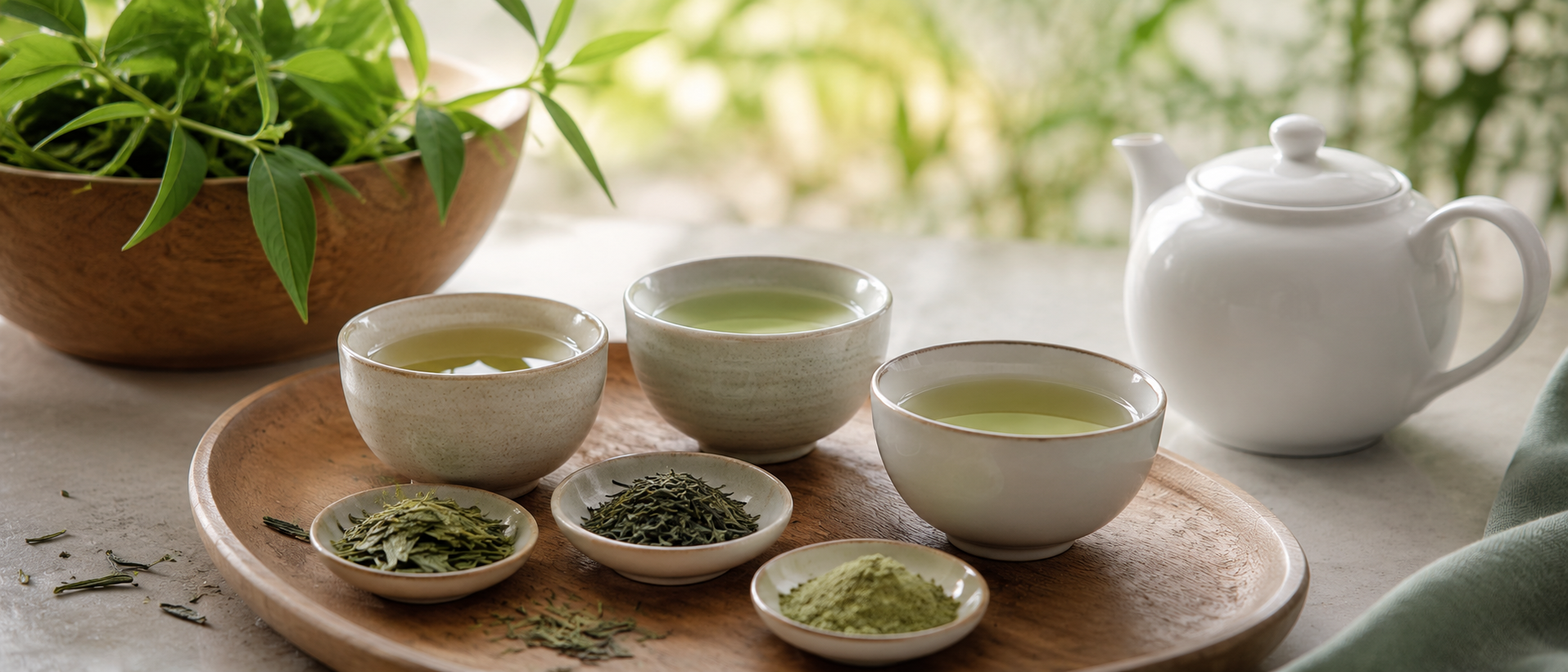
Picking the best green tea is one of those questions with too many right answers and too many wrong ones. Walk into any grocery store and you’ll find twenty options. Most of them are fine. Some are genuinely great. A few are quietly disappointing in ways you only discover after you’ve already brewed a bitter cup and wondered what all the fuss was about.
The honest truth is that the best green tea for you depends on what you actually want from it – something smooth and unfussy for every morning, a flavor-forward cup that feels like a treat, a proper Japanese tea that tastes like it came from somewhere specific, or just something you can keep stocked and never have to think about. All of those have different answers.
This guide sorts it out by situation so you can find your fit without wading through thirty options that all claim to be “premium.”
What Makes One Green Tea Better Than Another
Before getting into specific picks, it helps to understand what you’re actually evaluating. Green tea quality comes down to a handful of things: origin and leaf grade, processing method, packaging freshness, and how well it brews without turning bitter.
Green tea comes from the same plant as black, oolong, and white tea – the Camellia sinensis – but what sets it apart is that it’s only minimally oxidized. The leaves are quickly steamed or pan-fired after picking, which helps preserve that bright green color, fresh grassy aroma, and all those natural compounds that give green tea its unique flavor. Taste Of Tea
Higher quality tea uses whole or large-cut leaves. Lower quality tea – which is most of what fills the budget bags on supermarket shelves – uses the dust and broken pieces left over from processing. The difference shows up immediately in flavor: good green tea is clean, slightly sweet, sometimes grassy or nutty depending on origin. Poor quality green tea is flat, harsh, or aggressively bitter.
One surprise most people discover is how much brewing temperature matters. The same tea can taste clean and slightly sweet at one temperature, then harsh just minutes later. Yishi Foods Water that’s too hot – anything close to boiling – destroys the delicate compounds that make green tea pleasant and releases bitter tannins instead. The sweet spot for most green teas is between 160-180°F (70-82°C). If your green tea tastes bitter, that’s almost always the fix.
With that foundation, here are the picks worth knowing about.
Best Overall – Ito En Sencha
If you want one answer that works for most people most of the time, Ito En is Japan’s number one green tea brand, and with high-grade tea leaves and slow steaming, it delivers a vibrant flavor with deep cultural roots. Finest Of The Fine
Ito En stands out because it delivers consistent flavor without requiring special tools, careful timing, or advanced tea knowledge – approachable enough for beginners but satisfying for experienced tea drinkers.
What you get is authentic Japanese sencha that tastes the way green tea actually should – clean, slightly vegetal, with a natural sweetness that doesn’t need anything added to it. It’s available at most grocery stores, it’s reasonably priced, and it’s forgiving enough that you don’t need to be precise about brewing time to get a good cup. The official Ito En sencha is worth bookmarking if you want to order directly.
Best for: Anyone who wants a reliable everyday Japanese green tea without the learning curve.
Best for Flavor – Harney & Sons Japanese Sencha
If you want a green tea with genuine character – something that rewards attention and makes you actually want to sit down with a cup – Harney & Sons Japanese Sencha is the one.
This sencha comes from the central Shizuoka province and can be found in many homes in Tokyo. It’s a pleasant and approachable green tea, a fine choice for everyday – it was the way founder John Harney always began his mornings for over ten years. Harney & Sons Fine Teas
Reviewers consistently describe it as nutty, buttery, with notes of asparagus and edamame. The liquor brews a greenish gold color, wonderfully aromatic. One experienced tea reviewer called it “without a doubt the best sencha I’ve ever tried from a tea bag, and better than a lot of examples of loose-leaf tea.” Steepster
That last part matters – most bagged teas sacrifice quality for convenience. Harney & Sons manages to keep leaf quality high even in sachet format. The foil-wrapped sachets also keep freshness better than standard tea bags, which makes a real difference in flavor.
Best for: People who want green tea with real depth and complexity – the kind you notice.
Best for Beginners – Bigelow Green Tea
If you’re new to green tea or genuinely don’t enjoy it yet, the biggest reason is usually bitterness – which comes from low-quality leaves or over-brewing, not from green tea itself. Bigelow’s green tea is one of the most forgiving and approachable options in any grocery store.
Bigelow delivers a smooth, reliable cup. The brand excels at creating approachable flavors that newcomers find inviting while still satisfying regular tea drinkers. What sets them apart is individually foil-wrapped bags that lock in freshness better than standard packaging. Best Picks Hub
Bigelow was one of the most potent of the pack, but with a nuttiness and slight bitterness that made it a solid middle-ground option – green tea-forward enough to be a good base even for baking if matcha is too intense. TODAY.com
It’s widely available at virtually any grocery store, it’s affordable enough for daily drinking, and it’s consistent – which matters more than most people realize when you’re building a new habit.
Best for: Green tea newcomers, everyday drinking on a budget, or anyone who wants something they can grab anywhere.
Best Organic Option – Numi Organic Green Tea
Numi was founded in 1999 in Oakland, California, by brother and sister Ahmed Rahim and Reem Hassani. The inspiration came from the dried desert lime they drank as children in Baghdad, Iraq. In addition to promoting human rights and sustainable causes globally, they’ve brought thoughtful, clean teas to the US market. Kyoto Geisha Matcha
Their Gunpowder Green is one of the cleanest options you’ll find in mainstream stores – no artificial flavors, non-GMO, and a strong enough flavor profile that it holds up without any additions. Their approach is straightforward: pure ingredients, honest sourcing, and teas that taste like what they claim to be. Sporked
The Jasmine Green is also worth trying if you like floral notes – it comes from China’s first Fair Trade garden, which is a genuinely meaningful detail, not just marketing language.
Best for: Organic shoppers, people who care about sourcing and ethics, and anyone who wants clean-label tea they can trust.
Best Flavored Green Tea – Tazo Zen
Not everyone wants a pure, unflavored green tea. Some people want something bright and interesting in their cup that still has the foundation of green tea underneath. For that crowd, Tazo Zen is the answer.
The lemongrass and spearmint give it a lot of brightness, while the spearmint keeps it from being too citrusy. Because it’s so flavor-forward, this probably isn’t for people who really like the flavor of pure green tea, but it’s definitely the best green tea for folks who want a little something else in their mug. Sporked
It’s also a natural gateway into green tea for people who find the grassy, vegetal notes of pure sencha off-putting. The added flavors soften the learning curve considerably. Brew it with a spoonful of honey on a cold morning and it’s one of the most genuinely enjoyable things in the tea aisle.
Best for: People who find plain green tea too grassy, beginners who want something more interesting, and afternoon drinking.
Best with Toasted Rice – Traditional Medicinals Genmaicha
Genmaicha is green tea blended with roasted brown rice – one of the most distinctive and satisfying styles of tea in the Japanese tradition. Traditional Medicinals makes a version that’s consistently one of the more interesting things you can put in your mug.
This green tea is a little bit savory thanks to the inclusion of toasted rice, which gives it a nice roasty flavor. It has an aggressive aroma, but its mild flavor and alluring green color will keep you sipping. Sporked
The toasted rice softens the grassy notes of the green tea and adds a warm, nutty dimension that makes this feel more like a snack than a beverage. It’s also excellent cold-brewed – steep it overnight in the fridge and it develops a clean, mellow sweetness that’s excellent in the summer. Traditional Medicinals is also one of the cleaner brands in terms of ingredient sourcing and testing standards.
Best for: People who want something distinct and savory, afternoon drinking, or cold-brewing in summer.
Best Value – Lipton Green Tea
Lipton doesn’t get much respect in serious tea circles, but here’s the honest case for it: it’s cheap, it’s everywhere, and when brewed correctly it’s a perfectly drinkable cup of green tea. Lipton makes good tea. And while it may not be the best green tea, it won’t disappoint – especially when it costs less than nine bucks for 100 bags. That’s value. Sporked
Lipton packed a vibrant taste that wasn’t unpleasant – almost lemony or minty in a way, with a slightly bitter aftertaste that could be mitigated by not over-steeping. Eat This! The key with Lipton – and most budget bags – is not letting them steep too long. One to two minutes maximum, water at around 170°F, and you’ll get a much better result than the standard five-minute boiling water approach.
If you’re using green tea primarily for cooking, cold-brewing for iced tea, or you just want a functional daily drink without spending much, Lipton earns its place.
Best for: Budget buying, cooking and baking with green tea, making cold brew iced tea in bulk.
Loose Leaf vs Tea Bags – the Quick Version
If you’ve read this far and want to go beyond bags, loose leaf sencha is worth trying. The flavor difference is real and the quality floor is higher – you’re working with whole or larger-cut leaves rather than the finely broken pieces in most bags.
Loose leaf tea allows you to experience the full flavors and nuances in the way the tea growers intended. Preparing it takes a tiny bit more effort, but it doesn’t have to be complicated – loose leaf tea can easily be brewed in a stainless steel brewing basket, infuser ball, French press, or a teapot with a built-in filter. Ochsner Health
A good entry point is Harney & Sons loose Japanese Sencha, which uses the same Shizuoka leaves as their bagged version. From there, exploring different origins and harvests becomes genuinely enjoyable rather than just healthy obligation.
How to Brew Any of These Properly
The single most useful thing you can do to improve green tea immediately is lower your water temperature. Delicate green teas should be brewed with water just below boiling – around 160-180°F. Yahoo! Let your kettle cool for two minutes off the boil, or use an electric kettle with a temperature setting if you have one.
Steep time for most green teas is one to three minutes. Longer doesn’t mean stronger in a good way – it mostly means more bitterness. When in doubt, pull the bag or infuser early rather than late.
Add lemon if you like – vitamin C actually helps your body absorb the beneficial compounds in green tea. Skip the milk, which research suggests may reduce antioxidant absorption. And drink it plain at least some of the time – once you dial in the brewing, good green tea doesn’t need anything.
For more on what makes green tea genuinely good for you beyond the flavor, the Health & Wellness section has a full breakdown. And if you’re looking to build green tea into meals and drinks beyond the mug, Eat & Drink is where you want to be.
Frequently Asked Questions About the Best Green Tea
What is the overall best green tea brand?
For most people in most situations, Ito En sencha hits the right balance of quality, authenticity, flavor, and accessibility. It’s Japan’s leading green tea brand, widely available, and consistently good. If you want more complexity and don’t mind spending slightly more, Harney & Sons Japanese Sencha is the step up worth taking.
What is the best green tea for someone who doesn’t like green tea?
If you’ve tried green tea and found it bitter or grassy, start with Tazo Zen – the lemongrass and spearmint make it considerably more approachable. Bigelow is also very forgiving. More importantly, make sure your water isn’t too hot – most green tea bitterness comes from brewing at too high a temperature, not from the tea itself.
Is loose leaf green tea better than tea bags?
Generally yes – loose leaf uses larger, higher-quality leaf pieces with better flavor and nutrient content. That said, good tea bag options like Harney & Sons close the gap considerably. If you want to start with bags and move to loose leaf eventually, that’s a completely reasonable path.
What is the best organic green tea?
Numi Organic and Traditional Medicinals are both strong picks with clean sourcing and no artificial additives. Harney & Sons also offers an organic sencha from the Wazuka Valley in Japan for those who want premium organic loose leaf.
What is the best green tea for making iced tea?
Traditional Medicinals Genmaicha cold-brews beautifully. Bigelow works well for large-batch iced tea given its value. Tazo Zen makes a bright, refreshing iced drink with the lemongrass and spearmint. For any of these, cold brew overnight in the fridge rather than brewing hot and chilling – you get a cleaner, sweeter result.
How do I stop green tea from tasting bitter? L
Lower your water temperature to around 170°F and reduce steep time to one to two minutes. Bitter green tea is almost always a brewing issue rather than a quality issue. Even an average bag tastes considerably better with the right temperature and timing.
What is the best green tea for everyday drinking?
Ito En sencha for quality and authenticity, Bigelow for value and convenience. Both are consistent, non-bitter when brewed correctly, and satisfying as a daily cup without requiring any special effort.
Is Japanese green tea better than Chinese green tea? T
They’re different rather than better or worse. Japanese green tea (sencha, gyokuro, matcha) tends to be steamed, giving it a grassy, vegetal, umami character. Chinese green teas (Dragon Well, Gunpowder, Biluochun) are often pan-fired, giving them a toastier, nuttier, sometimes floral flavor. It comes down to personal preference – try both and see which direction your palate goes.
Explore more food and drink coverage in our Eat & Drink section – honest takes on what’s actually worth buying and drinking.