The Best Fluffy Pancakes recipe you will fall in love with. Full of tips and tricks to help you make the best pancakes.

Most nigiri follows a predictable script. A thin slice of fish draped over hand-pressed rice. Salmon. Tuna. Maybe yellowtail. Clean, minimal, done.
Masago nigiri breaks the template.
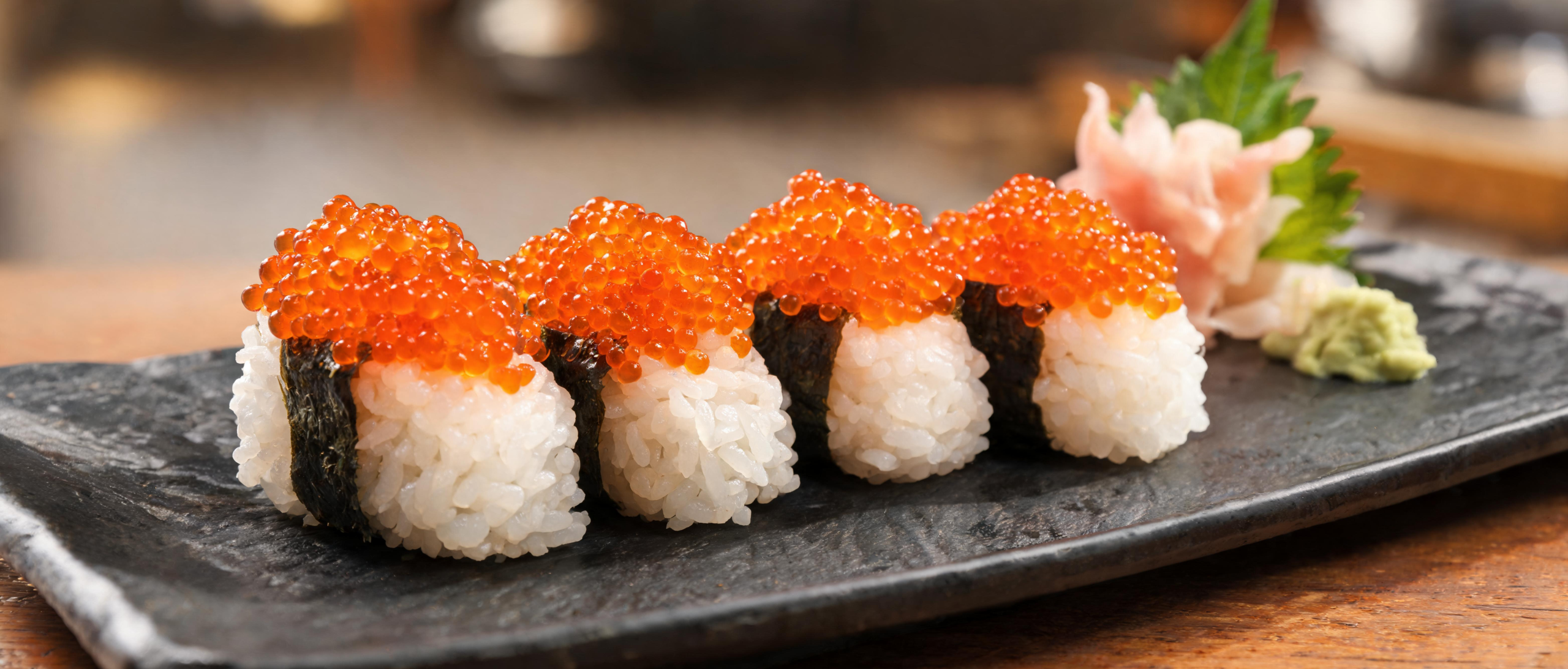
There’s no fish slice on top. No pink or red flesh catching the light. Just a neat, bright orange mound of capelin roe sitting directly on sushi rice – small, briny, and quietly one of the more interesting things you can order at a sushi bar.
Most people have eaten masago dozens of times without thinking about it. As a topping on California rolls, as a coating on spicy tuna, mixed into sauces. But masago nigiri is where the ingredient stops playing a supporting role and actually gets to speak for itself.
Here’s what you’re looking at when you order it.
What Masago Nigiri Actually Is
Nigiri – short for nigirizushi – means “hand-pressed sushi.” A chef takes seasoned sushi rice, forms it by hand into a small oblong mound, and places a topping directly on top. That’s the whole format. No rolling, no cutting, no nori wrapper hiding anything. Just rice and topping, balanced in a single bite.
In most nigiri, the topping is a slice of raw or lightly prepared fish. Masago nigiri works differently. The topping is masago – the tiny orange roe of the capelin fish, harvested from cold North Atlantic waters, cured and salted before it reaches the restaurant. Instead of a clean slice of fish sitting on top of the rice, you get a small, clustered mound of roe.
The presentation varies slightly by restaurant. Some chefs press the masago directly onto the rice and wrap a thin band of nori around the outside to hold everything in place – this is the gunkan-maki variation, also called “battleship style,” and it’s one of the formats specifically designed for soft or loose toppings that won’t stay put on their own. Others skip the nori entirely and simply pile the masago on top, relying on the stickiness of the rice to keep things together.
Either way, it arrives as a single, self-contained bite. And it’s meant to be eaten that way – in one go, not picked apart.
What It Tastes Like
The first thing most people notice is the color. That bright orange mound against pale white sushi rice is visually striking in a way that a standard salmon or tuna piece isn’t. It looks deliberate. It looks like something.
The flavor is gentler than the color suggests.
Masago has a mild, clean brininess – a soft ocean note without any sharpness or the fishiness that puts some people off raw seafood. It doesn’t hit you. It settles in quietly. The saltiness from the curing process comes through without being aggressive, and there’s a subtle depth underneath that’s hard to name but easy to notice once you’re paying attention.
The texture is where masago nigiri earns its place. Those tiny eggs – each one less than a millimeter across – compress softly against the palate and release flavor in a way that has no real equivalent on the sushi menu. It’s not the dramatic pop of tobiko or the gooey richness of ikura. It’s finer, quieter, and oddly satisfying in the way that small, precise things often are.
Against the soft resistance of the sushi rice underneath, it creates a contrast that works. The rice is yielding and slightly tangy from the vinegar. The masago is slightly firm and salty. One bite, two textures, a complete thing.
Masago Nigiri vs. The Other Roe Nigiri at the Sushi Bar
Ordering roe nigiri for the first time, you’ll probably notice at least two or three options on the menu. Here’s how they differ.
Masago nigiri – the smallest and softest roe option. Mild brininess, no pop, fine-grained texture. The most affordable of the roe nigiri. A genuinely good entry point if you’re new to eating roe on its own.
Tobiko nigiri – flying fish roe, noticeably larger than masago. Has a distinct, satisfying pop when you bite into it. Bolder flavor, slightly sweet undertone. More expensive than masago. If you’ve been eating masago and want to understand what you’ve been missing in terms of texture, tobiko nigiri is the comparison that clarifies it instantly. The full masago vs. tobiko breakdown is worth reading before you sit down at the sushi bar.
Ikura nigiri – salmon roe. Large, amber-colored pearls that look nothing like masago. Soft, gooey interior, fuller and richer flavor with a noticeable sweetness. More expensive again and a more assertive eating experience. Beautiful to look at. Usually served gunkan-style because the pearls are too large and loose to stay on plain rice.
Uni nigiri – sea urchin, an entirely different category. Creamy, almost custard-like, intensely oceanic. Either the best thing you’ve ever tasted or deeply confronting, depending on who you are. Also the most expensive.
Masago sits at the accessible, entry-level end of this spectrum. That’s not a criticism – it just means there’s less risk involved in ordering it, and more to discover from there if the experience clicks.
How to Make Masago Nigiri at Home
It’s simpler than it looks. The hardest part is the sushi rice, and even that isn’t complicated once you’ve done it once.
Zojirushi – one of the most trusted names in Japanese rice cooking – has a reliable nigiri technique guide that covers the hand-pressing method step by step. Worth bookmarking if you’re serious about making it at home.
What you need:
- Cooked and seasoned sushi rice (short-grain Japanese rice, rice vinegar, sugar, salt)
- Masago (from the freezer section at a Japanese or Asian grocery store)
- Nori strips, optional – for the gunkan-style wrap
- Small dab of wasabi, optional
The method:
Wet your hands lightly so the rice doesn’t stick. Take about two tablespoons of sushi rice and press it gently into an oblong mound in your palm – firm enough to hold its shape, loose enough that it still feels light. Don’t compress it too hard. The rice should feel like it has some give, not like a dense ball.
Place a small dab of wasabi on top if you’re using it. Spoon a generous amount of masago directly on top of the rice and press lightly to help it sit. If you want the gunkan style, wrap a strip of nori around the outside – it should extend slightly above the rice line, forming a small cup that holds the masago in place.
Serve immediately. Masago nigiri doesn’t wait well. The texture changes as it sits, and it tastes noticeably better when everything is fresh and cold.
One tip that actually matters: Season your sushi rice properly. Under-seasoned rice is the single most common reason homemade nigiri tastes flat. The vinegar, sugar, and salt aren’t optional – they’re what makes the rice taste like a foundation rather than filler. Get that right and everything else follows.
How to Eat It Right
Nigiri has its own etiquette, and most of it makes practical sense once you understand why.
Eat it in one bite. This isn’t a rule for the sake of rules – each piece of nigiri is made to be a complete, balanced bite. Splitting it in half changes the ratio of rice to topping and you lose the point of it.
Dip fish-side down, not rice-side. If you’re using soy sauce, turn the piece upside down and touch the masago lightly to the sauce – not the rice. The rice is already seasoned and will absorb soy sauce too aggressively, making the whole piece too salty and causing it to fall apart.
Go easy on the soy sauce. Masago is already salted from the curing process. A heavy hand with soy sauce will drown what you’re actually there to taste.
Use ginger between pieces, not on top. Pickled ginger is a palate cleanser. It goes between bites, not as a topping on the nigiri itself.
And if you’re at a proper sushi counter – hands are completely acceptable. Nigiri was designed to be eaten by hand. Using chopsticks is fine, but it’s not more correct.
A Note on What You’re Getting Nutritionally
Masago nigiri is a light, nutrient-dense option at the sushi bar. The masago itself brings protein, omega-3 fatty acids, vitamin B12, and selenium – meaningful nutrition in a very small serving. Healthline’s detailed breakdown of masago’s nutritional profile covers the full picture if you want to go deeper.
The one thing to be aware of is sodium. Masago is salted during processing and soy sauce adds more on top of that. As a single piece or two, it’s not a concern. If you’re eating across a full sushi spread with multiple dips into the soy sauce, it adds up.
People with seafood allergies should avoid it entirely. Pregnant women are generally advised to skip cured fish roe as a precaution. For everyone else, it’s a clean, sensible thing to eat.
Why It’s Worth Ordering at Least Once
Masago nigiri is consistently one of the least ordered items on any sushi menu that carries it. The reason is simple – people don’t know what it is, it doesn’t fit the mental image of what nigiri looks like, and so they skip it for the salmon and move on.
That’s a miss.
It’s usually one of the least expensive nigiri options on the menu. It’s consistently good when the masago is fresh. It gives you a completely different eating experience from everything else on the table – lighter, more textural, more interesting in its restraint than a lot of louder options.
For a broader picture of how masago shows up across the sushi menu, our full guide to masago in sushi covers everything from California rolls to sauces to this. And if you want the complete story on what masago actually is before you order, start here.
Order the masago nigiri. Pay attention to the texture. Order it again.
Small things. Big flavor.
FAQs
What is masago nigiri?
Masago nigiri is a type of nigiri sushi where the topping is masago – the cured roe of the capelin fish – instead of a slice of raw fish. It’s served as a small mound of orange roe pressed directly onto hand-formed sushi rice, sometimes wrapped in a strip of nori in the gunkan-maki style.
What does masago nigiri taste like?
Mild and briny with a clean ocean note. The texture is fine and slightly grainy – the small eggs compress softly against the palate and release flavor gently. Against the tangy, yielding sushi rice, it creates a contrast that works well in a single bite.
Is masago nigiri raw?
Masago is cured and salted during processing, which makes it safe to eat without further cooking. It’s not raw in the same way as a slice of fresh tuna, but it hasn’t been heat-cooked either. It’s handled with the same food-safety standards as all sushi-grade ingredients.
How is masago nigiri different from tobiko nigiri?
Masago is smaller, softer, and milder than tobiko. Tobiko – flying fish roe – has larger eggs, a satisfying pop when bitten, and a bolder, slightly sweet flavor. Masago is the more affordable and approachable option. Tobiko has more presence on the palate.
How do I eat masago nigiri correctly?
In one bite, fish-side down into the soy sauce if you’re dipping. Go light on the soy sauce – masago is already salted. Use pickled ginger between pieces to cleanse your palate. Hands or chopsticks are both acceptable.
Can I make masago nigiri at home?
Yes. Cook and season short-grain sushi rice, press it into small oblong mounds by hand, and top each one with a spoonful of masago. Wrap a strip of nori around the outside for the gunkan-style presentation. Masago is available at Japanese grocery stores and Asian supermarkets, usually in the freezer section.
Who should avoid masago nigiri?
Anyone with a seafood or fish allergy should avoid it. Pregnant women are generally advised to skip cured fish roe as a precaution. People on low-sodium diets should be aware that masago is salted during processing.