The Best Fluffy Pancakes recipe you will fall in love with. Full of tips and tricks to help you make the best pancakes.

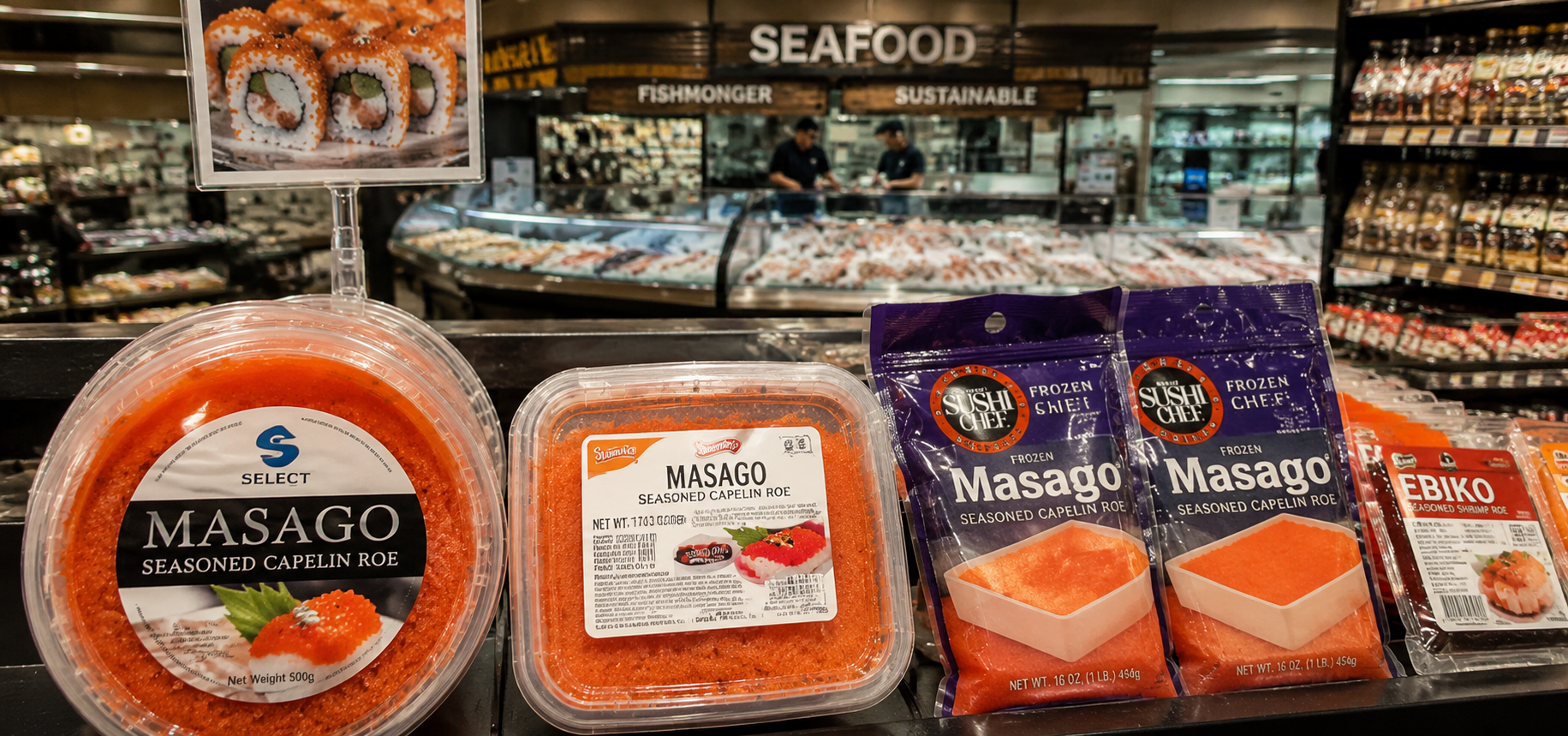
You’ve decided to make something with masago at home. Good call. Now comes the part nobody tells you about: where do you actually find it?
It’s not in the condiment aisle. It’s not next to the soy sauce. Most mainstream American grocery stores don’t carry it at all, and if you walk in without knowing where to look, you’ll leave empty-handed and mildly frustrated.
But masago is more accessible in the US than most people assume. You just need to know which stores carry it, where it sits inside those stores, and what to look for on the label when you get there.
Here’s the full picture – every option, from easiest to most specialized.
First: What You’re Actually Looking For
Before walking into any store, know what you’re searching for.
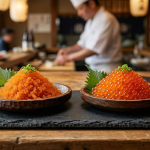
Masago is almost always sold frozen, in small sealed jars or vacuum-sealed containers. The most common size is between one and three ounces – enough for several home sushi sessions if you’re using it as a topping or sauce ingredient. It’s usually already seasoned and dyed orange, though some specialty retailers carry natural (undyed) versions.
Look in the freezer section, not the refrigerated seafood case. That’s where it lives in nearly every store that carries it. If you’re asking a store employee, ask for “capelin roe” or “fish roe” if “masago” draws a blank – both descriptions will get you to the same product.
And if you want the full ingredient story before you cook with it, our complete guide to what masago is covers everything from where it comes from to how it tastes to what to do with it first.
Option 1: Japanese Grocery Stores (Best Overall)
This is where you’ll find the best selection, the freshest product, and the most knowledgeable staff.
Mitsuwa Marketplace is the most reliable chain in the US. Mitsuwa operates locations in California, Hawaii, Illinois, New Jersey, and Texas – and every location carries masago as a standard stock item. The freezer sections at Mitsuwa are exactly where you want to be: multiple brands, multiple sizes, sometimes multiple colors. It’s the closest thing to buying masago in Japan that you’ll find on American soil.
H Mart is the other major option. Primarily a Korean supermarket chain but stocking an extensive range of Japanese and pan-Asian ingredients, H Mart has locations across the East Coast, Midwest, and West Coast. They carry masago reliably and usually at competitive prices – often around $7 for a standard-sized jar.
99 Ranch Market – a large Chinese-American supermarket chain with over 50 locations across California, Texas, Nevada, Washington, and several other states – also carries masago in the freezer aisle. Not always the same brand consistency as Mitsuwa, but reliable stock.
If you live near any of these stores, start here. The quality is consistently good, the staff actually know what they’re selling, and you’ll almost always find it in stock.
Option 2: Asian Supermarkets (Most Widely Available)
If you don’t have a dedicated Japanese supermarket nearby, a general Asian supermarket is your next best bet – and these exist in almost every major American city and most mid-sized ones.
What you’re looking for: Korean grocery stores, Chinese supermarkets, Vietnamese markets, pan-Asian grocery stores. Most of them stock a seafood freezer section with Japanese ingredients including masago. The brand selection may be narrower than at Mitsuwa, but the product itself is the same ingredient.
A few things worth checking when you find it: look at the ingredient list and confirm capelin roe is the first item. Check the sell-by date on the packaging. And make sure the container is properly sealed and still frozen solid – you don’t want a jar that’s been partially thawed and refrozen somewhere along the supply chain.
Option 3: Whole Foods Market (Most Convenient for Non-Asian Areas)
Whole Foods is the mainstream option that actually delivers.
Not every Whole Foods location carries masago, but a significant number do – particularly in coastal cities and markets with a strong food culture. It’s typically found in the freezer section near other seafood products, often stocked alongside tobiko and other roe.
The selection is usually limited to one or two brands and one or two sizes, but the quality is reliably good. Whole Foods has strict sourcing standards for seafood products, which means the masago you find there has cleared a higher bar than what you’d find at a random mainstream supermarket.
If you’re in a city without a Japanese or Asian grocery store and you need masago today, Whole Foods is the call. Check the store locator on their website first – not every location carries it, and it’s worth confirming before you make the trip.
Option 4: Online (Best for Accessibility and Bulk)
If you can’t find masago locally, online is the most reliable fallback – and it’s also the best option if you’re buying in larger quantities or want a specific brand.
Amazon stocks multiple masago brands with Prime shipping available. The reviews are useful for comparing quality across brands. The main consideration with ordering frozen food online is shipping – most masago ships with ice packs and insulated packaging, and it should arrive still frozen. Check seller ratings carefully and avoid third-party sellers with low feedback scores on perishable items.
Gourmet Food Store (gourmetfoodstore.com) is worth knowing about. It’s a specialty online retailer focused on high-quality and gourmet ingredients, and they carry masago caviar specifically sourced for sushi use. Product ships overnight – because it’s perishable – so factor that shipping cost into the price. Better for when you want a premium product and quality matters more than convenience.
Weee! is an Asian grocery delivery platform that operates across the US and ships masago nationally with free delivery above a minimum order. A solid option if you want the Asian-grocery-store experience without leaving home.
One general rule for ordering masago online: don’t order it in summer heat unless the seller explicitly uses dry ice. Ice packs are sufficient in mild weather, not adequate when ambient temperatures are above 85°F.
Option 5: Specialty Seafood Markets and Fish Counters
This option varies enormously by city, but it’s worth mentioning.
Some specialty seafood markets and high-end fish counters carry masago – especially in cities with strong sushi cultures like New York, Los Angeles, San Francisco, Seattle, and Chicago. Call ahead before making the trip. Ask specifically for “masago” or “capelin roe.” If the person who answers doesn’t know what either term means, move on to the next option.
When it’s available at a good fish market, the quality can be excellent – often better than what you’d find at a supermarket chain. But the availability is unpredictable, and the price tends to reflect the specialty positioning.
What to Look For on the Label
Not all masago is the same. A few things worth checking before you buy:
Ingredient list: Should say capelin roe as the primary ingredient, followed by salt, sugar, and sometimes soy sauce or mirin. Avoid products where the list leads with preservatives or where fish roe appears far down the ingredient order.
Color: Natural masago is pale yellowish-orange. Most commercial masago is dyed bright orange, which is fine and standard. Some specialty retailers carry black (squid ink), red, and green versions – the color is aesthetic and doesn’t affect flavor.
Country of origin: Most commercial masago is harvested from Iceland, Norway, or Canada – the primary capelin fishing regions. Either is fine. This is just useful context if sourcing matters to you.
Certification: If you care about sustainable sourcing, look for Marine Stewardship Council (MSC) certification on the packaging. Not every brand carries it, but it’s available if you look for it.
How to Store It Once You Get It Home
Keep it frozen until you’re ready to use it. That’s the most important thing.
Once opened, move it to the refrigerator and use it within three to four days. It doesn’t hold well after that – the texture starts to break down and the flavor gets muddy. Don’t re-freeze an opened jar.
If you buy a larger jar than you need for one recipe, portion it out before opening where possible. Some brands come in resealable containers; others don’t. If yours doesn’t, transfer what you’re not using immediately into a small airtight container and refrigerate.
And if you’re not sure what to make with it once you get it home – our masago sauce recipe is the fastest, highest-return starting point. Four ingredients, two minutes, and suddenly you understand why this ingredient earns its place on the menu.
The Short Version
Best overall: Mitsuwa Marketplace or H Mart – dedicated Japanese and Asian supermarkets with reliable stock and real selection.
Mainstream option: Whole Foods Market – not every location carries it, but the ones that do carry it well.
Best online option: Amazon for convenience, Gourmet Food Store for premium quality, Weee! for the Asian grocery experience delivered.
What to look for: Capelin roe first on the ingredient list, proper frozen packaging, MSC certification if sourcing matters.
Storage: Frozen until opened, refrigerated after, used within three to four days.
Small things. Big flavor.
FAQs
Does Walmart carry masago?
Occasionally, but it’s not reliable. Some Walmart locations with expanded international food sections or seafood counters carry masago, but availability is inconsistent across stores. Your time is better spent at an Asian supermarket or ordering online.
Can I find masago at regular grocery stores?
Standard mainstream grocery chains like Kroger, Safeway, and Publix rarely carry masago. Whole Foods is the exception – a meaningful number of their locations stock it in the freezer section. Call ahead to confirm before making the trip.
What’s the best brand of masago to buy?
Oceankist and Azuma are two of the most widely available brands in the US and both are solid. For a premium option with stronger sourcing transparency, Gourmet Food Store carries sushi-grade masago with verified provenance.
How much does masago cost in the USA?
Typically between $5 and $12 for a small jar (1–3 oz) at retail. H Mart tends toward the lower end around $7. Specialty online retailers charge more, with overnight shipping adding to the total. Buying in bulk from restaurant supply or wholesale sources brings the per-ounce cost down significantly.
Is frozen masago as good as fresh?
Yes. Masago is almost always sold frozen because it’s a highly perishable ingredient. Properly frozen masago is indistinguishable from “fresh” in texture and flavor. What matters is that it hasn’t been partially thawed and refrozen – check that your packaging is solidly frozen when you receive or purchase it.
Can I order masago online if I live in a rural area?
Yes. Amazon, Weee!, and Gourmet Food Store all ship nationally. Make sure you select overnight or two-day shipping for perishable items and check that the seller includes proper cold packaging. Avoid ordering in extreme summer heat unless dry ice is used.
How long does masago last in the freezer?
Properly stored and unopened, masago keeps in the freezer for up to six months without significant quality loss. Check the use-by date on your specific packaging. Once opened, refrigerate and use within three to four days.