The Best Fluffy Pancakes recipe you will fall in love with. Full of tips and tricks to help you make the best pancakes.


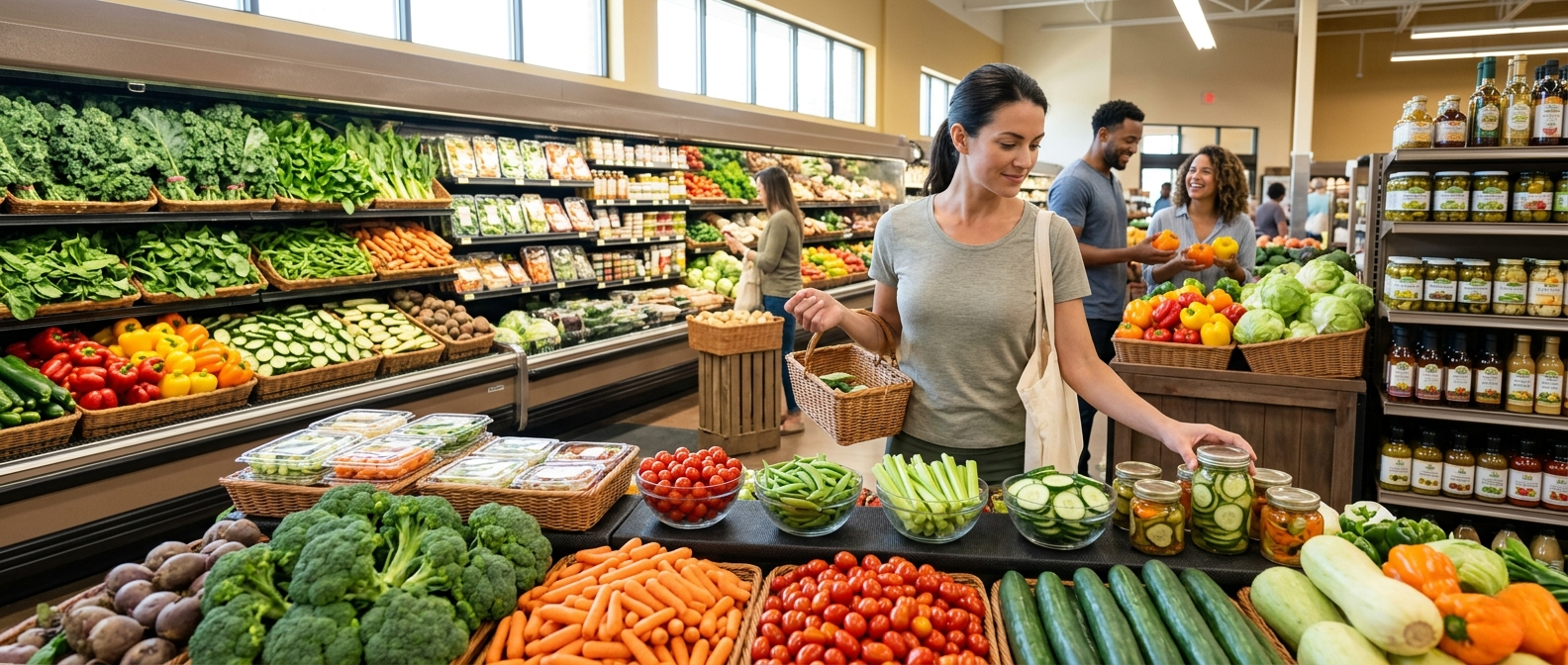
Let’s start with the honest version: there is no such thing as a truly zero calorie food. Technically speaking, nearly everything you eat contains at least some energy. Even a stalk of celery, the poster child of diet culture, has calories in it.
But here’s why that doesn’t make the whole “zero calorie foods” conversation pointless – it just means we need to understand it properly. Because the foods that fall into this category are genuinely useful, genuinely nutritious, and genuinely worth eating more of. They just work differently than the internet makes them sound.
Here’s what’s actually going on.
What “Zero Calorie” Actually Means
According to registered dietitians, while these are not literally zero calorie foods – because there’s no such thing – they are low enough in calories and high enough in nutrition to warrant a very large place on your plate.
The “zero calorie” label comes from two places. First, FDA labeling rules allow any food with fewer than 5 calories per serving to list itself as zero calories on a nutrition label. Second, many fruits and vegetables are so low in calories relative to their volume and nutritional content that tracking them precisely in a diet doesn’t move the needle much.
So-called zero calorie foods are usually very low-calorie fruits and vegetables that add volume to meals. These foods can support weight loss by helping you feel full on fewer calories, but they work best when paired with enough protein, healthy fats, and overall balanced nutrition.
That last part is important. Zero calorie foods are a tool, not a diet plan. They work best when they’re part of a full, balanced way of eating – not when they’re the only thing on the plate.
The Thermic Effect of Food – Where the Science Gets Interesting
This is the part that made the “negative calorie” claim go viral, and it’s worth understanding properly because there’s real science here buried under a lot of exaggeration.
The thermic effect of food is the energy your body uses to digest, absorb, and metabolize what you eat, accounting for roughly 10% of daily calorie expenditure. Protein has the highest thermic effect at 20-30%, followed by carbohydrates at 5-15%, and fats at 0-5%.
In plain terms – your body burns calories just by processing food. High fiber, high water vegetables cost more energy to digest than processed foods. That’s real. But the idea that eating celery burns more calories than it contains? Not quite.
For a food to be truly negative calorie, the thermic effect would have to exceed 100%, which is far from reality.
What is true is that a 2022 study in the American Journal of Clinical Nutrition found that high-water vegetables like celery and lettuce produce a net-zero or negative caloric impact due to their digestion energy cost – meaning the gap between calories in and calories burned digesting them is genuinely very small. That’s not nothing. But it’s also not magic.
The more useful truth is this: these foods fill you up, hydrate you, give you fiber and vitamins, and leave very little caloric footprint. That’s a genuinely good deal.
The Foods That Actually Earn the Label
Here’s a rundown of the foods most commonly called “zero calorie” – with honest calorie counts and what they actually give you beyond just being light.
Celery – This classic zero-calorie staple is 95% water, 1.6% fiber, and packs only 14 calories per 100 grams. Rich in antioxidants and anti-inflammatory compounds, it’s also genuinely satisfying to crunch through. Pair it with hummus and you have a snack that’s filling, cheap, and takes actual time to eat.
Cucumber – With a water content of 96%, cucumbers clock in at just 16 calories per 100g. They contain vitamin K and fiber, and their high water content makes them one of the most hydrating foods you can eat. Slice them into water, add them to salads, or just eat them straight – hard to go wrong.
Lettuce – Iceberg lettuce has only about five calories per cup and is 95% water. Romaine and other darker varieties bring more nutritional punch with vitamins A, C, and K. This is the foundation of most salads for a reason – it adds volume without adding much of anything else.
Broccoli – Broccoli has about 31 calories per cup and is loaded with water and a good amount of fiber. It’s also one of the most nutrient-dense vegetables on the planet – vitamin C, vitamin K, folate, and compounds linked to reduced inflammation. For how little it costs you calorically, it gives back a lot.
Kale – Kale is an exceptionally nutritious dark leafy green vegetable with about 35 calories per 3.5 ounces. It’s one of the most concentrated sources of vitamins and minerals in the produce aisle. If you’re going to eat something with almost no calories, this is the one that gives you the most in return.
Asparagus – Raw green asparagus contains around 20 calories per 3.5 ounces. It’s a good source of folate, vitamins A, C, and K, and has a satisfying bite that makes it feel like more of a meal than most vegetables this light.
Tomatoes – A medium-sized tomato contains only 18 calories and is rich in antioxidants like lycopene, which is known for its heart health benefits. Tomatoes also provide essential vitamins such as vitamin C, potassium, and folate. They’re also one of the most versatile ingredients in any kitchen – which makes them one of the easiest ways to eat more of these kinds of foods without even trying.
Zucchini – Around 17 calories per 100 grams, with a mild flavor that makes it easy to add to almost anything. Spiralized as a pasta substitute, roasted, or eaten raw – it’s one of the quietest overachievers on this list.
Radishes – Rich in antioxidants like vitamin C and adding a crunchy texture to salads or snacks, radishes clock in at about 16 calories per 100 grams. They have a peppery bite that adds real flavor to otherwise plain salads.
Spinach – About 7 calories per cup of raw spinach, and packed with iron, magnesium, and vitamins A and C. It’s the kind of food that disappears into smoothies, eggs, and pasta dishes without changing the flavor – which is either great or a little sneaky depending on who you ask.
Strawberries – With just 53 calories in 1 cup of strawberries, you get a highly nutritious and delicious snack loaded with vitamin C and antioxidants. They’re sweet enough to feel like a treat and light enough to eat freely. That combination is genuinely rare.
Watermelon – Watermelon stands out with its juicy taste and low calories – just 30 calories per 100 grams – and is 91% water. It’s also a decent source of lycopene and vitamin C. On a hot day, it’s one of the most satisfying things you can eat for almost nothing caloric.
The Drinks That Count Too
Zero calorie foods includes a handful of drinks worth mentioning because people forget these count toward the category.
Black coffee with no additions is essentially calorie-free and contains antioxidants that support heart health. Unsweetened herbal teas, green tea, and plain sparkling water all fall into the same bracket. These are genuinely free choices – drink them without overthinking it.
The caveat: a 2024 Cell Metabolism study suggests artificial sweeteners may affect gut microbiome over long-term use, so zero calorie diet sodas and flavored drinks sweetened artificially are a different conversation from naturally low calorie options. Best consumed in moderation rather than treated as completely free.
How to Actually Use These Foods
The most practical way to think about zero calorie foods is as volume builders. A 2023 randomized trial published in Nutrition & Behavior confirmed that adults who consumed water-rich vegetables before meals reduced total calorie intake by 19%.
Eating a big bowl of salad greens, cucumber, and tomatoes before your main meal means you arrive at the actual meal less hungry, which naturally leads to eating less of it without feeling deprived. That’s a real, evidence-backed strategy – not a diet trick.
They also work well as snack replacements. The moment between lunch and dinner when you want something to crunch on is exactly where celery with hummus, sliced cucumbers, or a handful of strawberries earns its place. What zero calorie snacks lack in calories, some make up in sugar and sodium – so sticking with whole fruits and vegetables rather than processed “zero calorie” packaged snacks is always the better call.
For more on building meals around ingredients like these, the Cooking section has plenty of practical ideas worth exploring.
What They Won’t Do
This part matters. Remember, consuming too few calories can lead to fatigue, constipation, depression, a slower metabolic rate, mood swings, headaches, nutritional deficiencies, and much more. There are no specific foods that burn fat, but eating a healthy, balanced, reduced-calorie diet along with physical activity should result in fat loss.
Zero calorie foods are useful additions to a diet – not a diet on their own. A plate of celery and cucumber for dinner is not a sustainable or healthy eating plan. These foods work because of what they add to a balanced diet: fiber, hydration, micronutrients, and volume. They don’t work as a replacement for proper meals.
Calories are units of energy which is present in nearly everything we eat and drink. Our bodies use this energy to grow, heal, and support everyday functions like your heartbeat, breathing, and metabolism. Adult women are likely to require between 1,600 and 2,400 calories a day, and men 2,200 and 3,000, according to the Dietary Guidelines for Americans.
Zero calorie foods fit into that picture. They don’t replace it. You’ll find more on building a balanced approach to eating in our Health & Wellness section.
Frequently Asked Questions About Zero Calorie Foods
Do zero calorie foods actually exist?
Not in a strict scientific sense. Almost every food contains at least some energy. What we call zero calorie foods are foods so low in calories – often under 20 calories per 100 grams – that they have a negligible impact on your daily intake. The FDA allows foods with fewer than 5 calories per serving to be labeled as zero calories.
What is the closest thing to a truly zero calorie food?
Plain water is the only truly zero calorie option. Among foods, celery, cucumber, and lettuce come closest – with celery at about 14 calories per 100 grams and cucumber at about 16. Both are predominantly water and fiber.
Are negative calorie foods real?
This is where the science gets a little disappointing. Your body does burn energy digesting food – this is called the thermic effect of food – but for a food to have a net negative calorie impact, it would need a thermic effect exceeding 100%, which no food achieves. High fiber vegetables come close enough to make the concept partially worth discussing, but “negative calorie” is mostly marketing language rather than nutritional fact.
What are the best zero calorie foods for weight loss?
The most useful ones are the ones you’ll actually eat regularly. Celery, cucumber, lettuce, broccoli, spinach, zucchini, and tomatoes are all reliable choices. Strawberries and watermelon work well as sweet replacements for higher calorie snacks. The key is variety – eating the same three vegetables every day gets old fast, and variety also means you get a broader range of nutrients.
Can you eat zero calorie foods unlimited?
In practical terms, yes – eating large amounts of celery or cucumber is unlikely to contribute meaningfully to weight gain. But “unlimited” can still be taken too far. Eating enormous quantities of any food to the exclusion of others isn’t a balanced approach, and some people experience digestive discomfort from very high fiber intake. Eat freely, but eat a variety.
Are zero calorie drinks the same as zero calorie foods?
Black coffee, unsweetened tea, and plain water are genuinely close to zero calories and are healthy choices. Zero calorie diet drinks sweetened with artificial sweeteners are a different category – technically calorie-free but not without their own ongoing research questions, particularly around gut health with very frequent consumption.
Do zero calorie foods have nutritional value?
Yes – and this is what makes them genuinely worth eating beyond just being light. Kale, broccoli, spinach, asparagus, tomatoes, and strawberries all carry meaningful vitamins, minerals, fiber, and antioxidants. They’re not just empty volume – they’re some of the most nutrient-dense foods available, which is part of what makes them such a good deal calorically.
How should I add zero calorie foods to my diet?
The easiest approach is to use them as volume builders – eat a salad or vegetable-heavy starter before your main meal, swap processed snacks for raw vegetables or fruit, and add spinach or zucchini into dishes where they blend in naturally. You don’t need to redesign your whole diet – just find a few spots where these foods replace something heavier and you’ll notice the difference.
For more on eating well without overcomplicating it, head to our Health & Wellness section.