The Best Fluffy Pancakes recipe you will fall in love with. Full of tips and tricks to help you make the best pancakes.

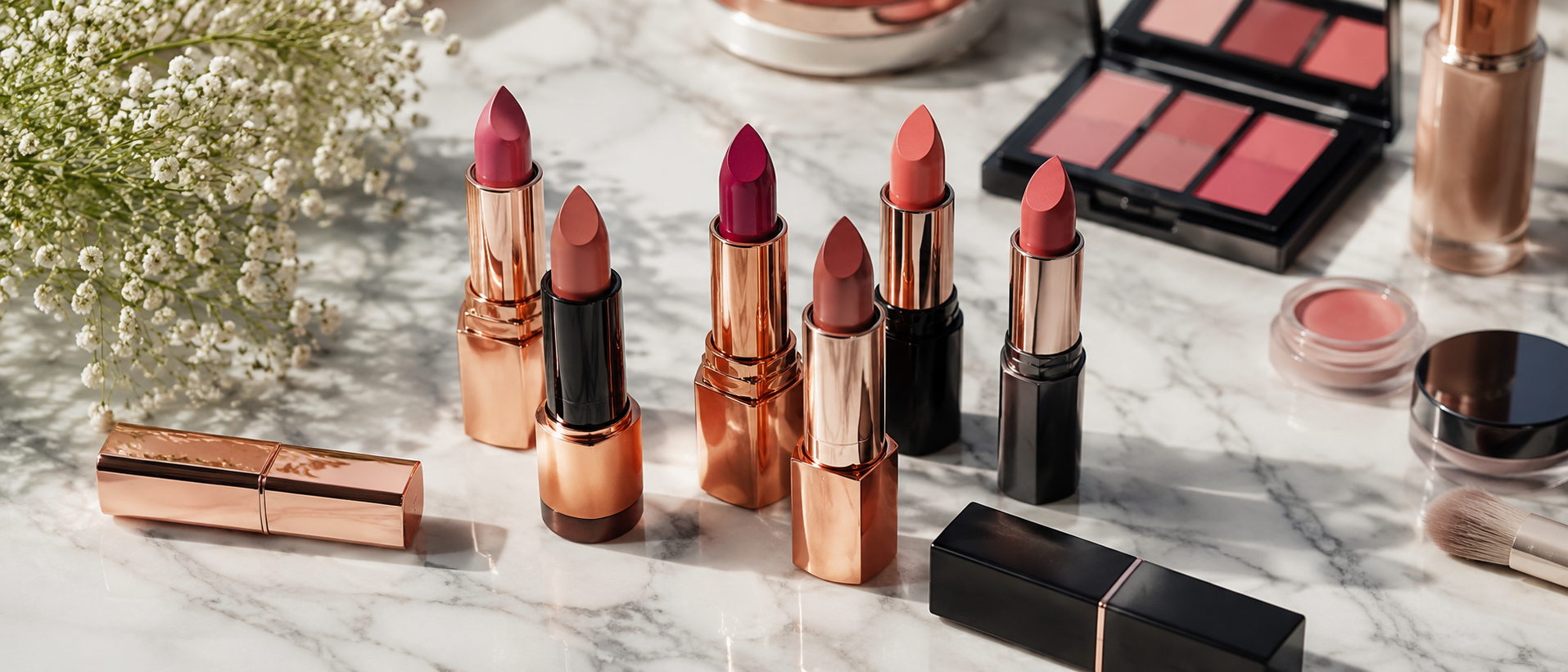
Here’s something most people don’t think about.
You ingest more lipstick than you realize. Studies estimate the average lipstick wearer takes in anywhere from 24mg to over 87mg of product per day through eating, drinking, and licking their lips. Over years of daily wear, that adds up to a meaningful amount of whatever is in the formula going directly into your body.
That’s why the ingredient list on a lipstick matters more than it does on, say, a foundation. A foundation sits on your skin. A lipstick ends up inside you.
So when you see a tube marketed as “natural” or “clean” or “non toxic,” the question worth asking is – non toxic according to whom?
The Problem With the Label
“Non toxic lipstick” is not a regulated term. Neither is “clean,” “natural,” or “green” when it appears on a cosmetics label. In the US, the FDA does not require pre-market approval for cosmetic products, and it does not define what any of those words mean. A brand can print “clean formula” on packaging without meeting any specific standard to back it up.
This is why greenwashing is so rampant in beauty. A tube that replaces one synthetic ingredient with a plant-derived one can legally call itself natural. A brand that removes parabens but keeps phthalates can call itself clean. None of it is technically false. None of it is especially honest either.
The only way to actually know what you’re putting on your lips is to read the ingredients yourself – or use a verified resource to do it for you.
EWG’s Skin Deep cosmetics database is the most comprehensive publicly available tool for this. It rates tens of thousands of personal care products on a 1-10 hazard scale based on ingredient data, research studies, and regulatory standards. A score of 1 or 2 is low hazard. A score of 7-10 is high. You can search any lipstick by brand or product name and see exactly what’s in it and why each ingredient scores the way it does.
It takes about three minutes and it’s the fastest way to cut through every marketing claim on the label.
Ingredients to Avoid
Before getting to the brands, here’s what you’re actually looking for on a label – and what to put back on the shelf.
Parabens. Preservatives that extend shelf life. They appear on labels as methylparaben, propylparaben, butylparaben, and similar. Linked to endocrine disruption – meaning they can interfere with hormone function. Largely phased out by cleaner brands but still common in conventional formulas.
PFAS. Per- and polyfluoroalkyl substances. Also called “forever chemicals” because they don’t break down in the body or the environment. Added to cosmetics for long-wear and waterproof performance. They’re not always listed on ingredients because brands aren’t required to disclose them as a category. A 2021 study in Environmental Science and Technology Letters tested 231 cosmetic products and found PFAS in over half of long-wear lipsticks and lip glosses. Look for PTFE or any ingredient beginning with “perfluoro” on the label as a signal.
Lead. Not intentionally added to lipstick – but present as a contaminant in many mineral-based color pigments. There is no safe level of lead exposure according to the CDC. The issue is that color additives approved by the FDA are often mineral-based and can carry trace levels of heavy metals including lead, cadmium, and chromium. Brands that take this seriously conduct independent batch testing of their pigments to verify contamination levels are below detectable thresholds.
Synthetic fragrance. Listed simply as “fragrance” or “parfum” on labels. The problem is that fragrance is a trade secret – companies can use this single word to cover a blend of dozens or hundreds of individual chemicals without disclosing them individually. Some of those chemicals are hormone disruptors. Some are allergens. You have no way of knowing what’s in there from the label alone. Truly clean formulas use no fragrance, or disclose the specific natural flavoring used.
Phthalates. Often hidden inside fragrance blends. Added to make products more flexible and longer-lasting. Dibutyl phthalate in particular has been linked to reproductive harm and is banned in cosmetics in the EU, though not in the US.
Mineral oil and petroleum derivatives. Derived from crude oil. Listed as petrolatum, paraffin, mineral oil, or Paraffinum Liquidum. Not acutely toxic, but the manufacturing process is environmentally problematic and there are better, plant-derived alternatives that do the same job.
What Good Ingredients Actually Look Like
A clean lipstick formula isn’t about having a short ingredient list – it’s about what those ingredients are.
Look for these in the first five positions, which make up 75-80% of any formula.
Castor seed oil is the most common base in clean lipstick for good reason. It’s a natural emollient with excellent color-carrying properties, meaning it holds pigment well without synthetic binders. Organic castor oil is even better – it’s grown without pesticides and processed without harsh chemicals.
Carnauba wax and candelilla wax are plant-derived waxes that give lipstick its structure. They’re the natural alternatives to the petroleum-derived waxes used in conventional formulas. Beeswax also works but is not vegan.
Jojoba oil, shea butter, mango seed butter, and cocoa butter are all skin-nourishing emollients that moisturize lips rather than just sitting on top of them. A formula built around these will feel better to wear and condition lips over time rather than drying them out.
Iron oxides are the safest family of natural pigments for color. They’re mineral-based and considered low hazard by EWG when they come from reputable, tested sources. The key is that the brand tests their iron oxide batches for heavy metal contamination – which the better clean brands do and many don’t.
The Brands That Actually Deliver
ILIA Beauty is the most talked-about name in clean lipstick for a reason. The Color Block High Impact Lipstick uses an organic castor seed oil base, delivers four times more pigment than their previous formula, and carries EWG verification on most SKUs. The brand is transparent about every ingredient and conducts purity testing on colorant batches. Available at Sephora and their own site, which means no hunting around.
Axiology is the brand for people who want the simplest possible formula. Their multi-use sticks are made with organic oils, butters, and waxes – most formulas have under ten ingredients total. Zero synthetic anything. Vegan, cruelty-free, and packaged in recycled and recyclable materials. The color payoff is genuinely good given how minimal the ingredient list is.
Westman Atelier is the luxury clean option. The Lip Suede Matte goes on like mousse, finishes semi-matte, and includes skincare actives – peptides, hyaluronic acid, Vitamin C – that most lipsticks don’t bother with. It’s $50 for a small amount of product, but the formula is genuinely sophisticated and the brand’s commitment to clean standards is consistent across their whole range.
Merit Beauty lands in the middle on price and high on wearability. The Signature Lip is a castor seed oil base with plant-derived squalane and Vitamin C. It’s the everyday lipstick that looks like you’re wearing something but isn’t trying too hard. The nude shades especially are the kind of thing you put on and forget about, which is exactly what low-maintenance clean beauty should be.
100% Pure uses fruit-pigmented color rather than synthetic dyes – pomegranate, black tea, and other plant sources create the shades. It’s an unusual approach and one that pays off in terms of ingredient safety. The formulas feel more like a tinted lip treatment than a traditional lipstick, which suits some wearers more than others.
According to The Good Trade’s roundup of organic lipstick brands, the best clean lipsticks balance three things simultaneously – ingredient safety, performance that lasts without constant reapplication, and honest pricing that doesn’t require a luxury budget to access clean beauty. The brands doing all three consistently are the ones worth coming back to.
The Certification Shortcut
If reading ingredient lists isn’t your idea of a good time, certifications do most of the work for you.
EWG Verified is the most rigorous. It requires full ingredient disclosure, prohibits ingredients with health or environmental concerns, and requires third-party testing. If a lipstick carries the EWG Verified mark, you can stop reading the label.
USDA Organic on a cosmetic means at least 95% of the ingredients are certified organic – grown without synthetic pesticides and processed without harsh chemicals. It doesn’t cover everything but it covers the most important part.
Leaping Bunny covers animal testing only. A Leaping Bunny certification means no animal testing at any stage of production or ingredient sourcing. It says nothing about ingredient safety but it does say something about the brand’s ethics.
B Corp Certification is broader – it covers social and environmental performance across the whole company, not just the product. A B Corp clean beauty brand is usually holding itself to a higher standard across every part of the business.
The Short Version
Non toxic lipstick means something specific and it’s worth knowing what that is before you trust the label.
Avoid parabens, PFAS, synthetic fragrance, phthalates, and mineral oil. Look for formulas built on organic castor oil, plant waxes, and natural butters. Check for independent pigment testing. Verify claims through EWG’s Skin Deep database before buying.
ILIA, Axiology, Merit, Westman Atelier, and 100% Pure are the brands consistently delivering on all of it.
Your lips are worth the extra thirty seconds of label reading.
Small things. Big flavor.
FAQs
What makes a lipstick non toxic?
A non toxic lipstick avoids ingredients linked to hormone disruption, heavy metal contamination, and synthetic chemical exposure – including parabens, PFAS, synthetic fragrance, phthalates, and petroleum derivatives. Because “non toxic” is not a regulated term, the best way to verify a lipstick’s safety is to check it against EWG’s Skin Deep database or look for EWG Verified certification.
Is there lead in lipstick?
Lead is not intentionally added to lipstick but can be present as a contaminant in mineral-based color pigments. The FDA has set guidance levels for lead in cosmetics but the CDC maintains there is no safe level of lead exposure. Clean brands address this by independently testing their pigment batches for heavy metal contamination.
What ingredients should I avoid in lipstick?
The main ones to avoid are parabens (listed as methylparaben, propylparaben, butylparaben), PFAS (PTFE, perfluoro compounds), synthetic fragrance (listed as “fragrance” or “parfum”), phthalates, and petroleum-derived ingredients like mineral oil and petrolatum. Carbon black, used in dark shades, is also worth avoiding.
What is the safest lipstick brand?
ILIA Beauty, Axiology, and Merit Beauty are consistently rated among the safest by clean beauty reviewers and EWG. ILIA carries EWG Verified status on most products. Axiology uses under ten ingredients per formula. Merit uses an organic castor seed oil base with plant-derived actives.
What certifications should I look for on clean lipstick?
EWG Verified is the most rigorous certification for ingredient safety. USDA Organic ensures at least 95% organic ingredients. Leaping Bunny certifies no animal testing. B Corp certification covers overall company ethics. Any lipstick carrying EWG Verified status meets the highest available clean beauty standard.
Why does synthetic fragrance matter in lipstick?
“Fragrance” or “parfum” on a cosmetics label can legally cover a blend of dozens of individual chemicals without disclosing them. Some of those chemicals are known hormone disruptors and allergens. Because lipstick is ingested in small amounts throughout the day, synthetic fragrance in lip products is a bigger concern than in a product that only sits on skin.
Is ILIA lipstick actually clean?
ILIA carries EWG Verified certification on most of their lip products, which is the most rigorous independent clean beauty standard available. Their Color Block High Impact Lipstick uses an organic castor seed oil base, discloses all ingredients transparently, and undergoes independent purity testing on colorants. It consistently scores 1-2 on EWG’s Skin Deep hazard scale.