The Best Fluffy Pancakes recipe you will fall in love with. Full of tips and tricks to help you make the best pancakes.

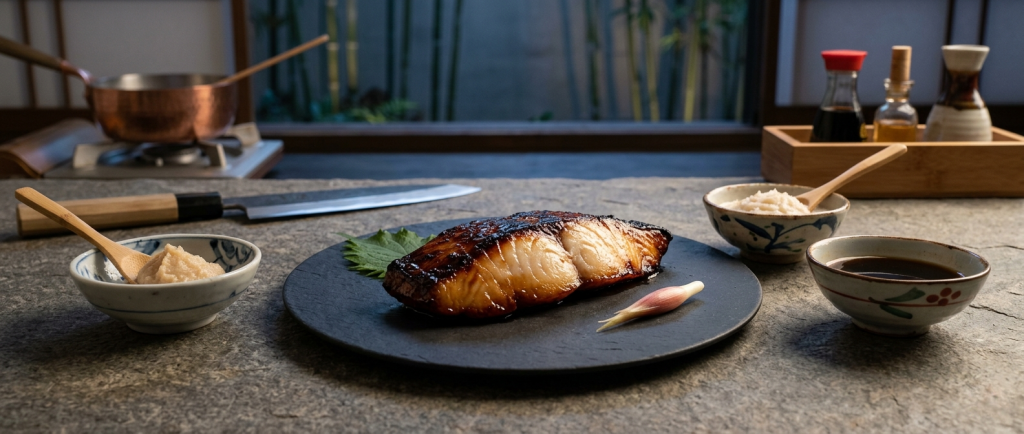
There are restaurant dishes that stay with you. Nobu’s miso black cod is one of them. If you’ve eaten it at a Nobu restaurant – where a single portion runs around $48 – you already know why people obsess over it. The fish is buttery in a way that feels almost impossible. The glaze is sweet and savory and slightly caramelized at the edges. The whole thing takes about four minutes to eat and roughly three days to make properly. That ratio is the whole point.
The good news: this is genuinely one of the most reproducible restaurant dishes in existence. Just 5 ingredients, and truly the hardest part of the recipe is waiting a couple of days for it to marinate. Everything else is straightforward. This guide covers the exact method, the ingredients that actually matter, what substitutions work, and the mistakes that quietly ruin an otherwise simple dish.
What Makes Nobu Black Cod Different
Before getting into the recipe, it’s worth understanding what you’re actually making. Black cod, also known as sablefish, is found in the North Pacific Ocean off the coasts of Alaska, British Columbia, and Japan. It’s known for its rich, buttery flavor and delicate texture, and is often considered a delicacy.
The name is slightly misleading – black cod is not related to Atlantic cod. Sablefish is very oily, and it has nothing to do with Pacific cod or lingcod – they just both have the word “cod” attached to their name. Don’t try this very heavy marinade with regular cod or it will be too overpowering. The high fat content of sablefish is exactly what makes this dish work. The miso marinade penetrates the flesh over two to three days, and the fat carries those flavors all the way through rather than just sitting on the surface.
Nobu called his marinade “Nobu-style Saikyo Miso” – it’s a Westernized version with a stronger flavor and sweetness than the traditional Japanese Saikyo miso marinade. He uses normal white miso instead of Saikyo miso, and to compensate for its stronger saltiness, adds quite a lot of sugar to balance it. That’s the key distinction if you’ve ever tried a Japanese miso fish recipe and found Nobu’s version sweeter and more intense. It is. Intentionally.
The Ingredients – What Actually Matters
The marinade has four ingredients. All four matter.
White miso paste – also called shiro miso – is the base. Don’t substitute red miso unless you’re prepared for a significantly saltier, more aggressive result. Red miso is saltier and more robust, leading to a different flavor profile – adjust the sugar to balance the saltiness if you go that route. For the authentic version, white miso is the right call.
Sake is Japanese rice wine, not rice vinegar. They are not interchangeable. Sake adds a mild sweetness and helps the marinade penetrate the fish. In a pinch, dry white wine works but changes the flavor profile noticeably.
Mirin is sweet rice wine – thicker and sweeter than sake. Together with the sugar, it’s responsible for the caramelization that gives the finished fish its signature charred edges.
Sugar – granulated white sugar – balances the saltiness of the miso. Nobu’s version uses more sugar than traditional Japanese preparations, which is why the glaze darkens so beautifully under the broiler.
For the fish itself: wild-caught black cod from Alaska is rated a “Best Choice” by the Monterey Bay Aquarium Seafood Watch. That’s the sustainable option and the one worth seeking out. Center-cut fillets of 4 to 6 ounces each are the ideal size.
The Recipe
Ingredients (serves 4)
- 4 black cod (sablefish) fillets, 4-6 oz each
- ¼ cup sake
- ¼ cup mirin
- ¼ cup white miso paste
- 3 tablespoons granulated sugar
Make the marinade (2-3 days before cooking)
Bring ¼ cup sake and ¼ cup mirin to a boil for 20 seconds to evaporate the alcohol. Reduce heat, add ¼ cup white miso paste and 3 tablespoons sugar, and whisk until dissolved. Cool completely.
Pat the fish fillets dry with paper towels – this step matters more than it sounds. Moisture on the surface of the fish dilutes the marinade and slows penetration. Place fillets in a zip-top bag or a container wide enough to hold them in a single layer. Pour the cooled marinade over the fish, making sure every surface is coated. Seal and refrigerate for 2 to 3 days.
Do not skip the marinating time. Twenty-four hours produces a decent result. Forty-eight hours is noticeably better. Seventy-two hours is the version worth making. The patience is the technique.
Cooking
There are two cooking options: broiling, or a quick sear on the stovetop followed by a few minutes in the oven. Broiling is the preferred method – it means no flipping, and does a better job browning the fish and getting the signature charred spots.
Remove the fillets from the marinade and wipe off any excess. This is important – too much marinade on the surface burns before the fish cooks through. A thin, even coating is what you want.
Set your oven to broil on high with a rack 6 to 8 inches from the element. Line a baking sheet with foil – not parchment, which can scorch. Broil for about 7 to 10 minutes until caramelized. Use an internal meat thermometer – it’s done at 145°F. Watch it closely in the final two minutes. The difference between perfectly charred and burned is about ninety seconds.
Serving
Nobu serves this over a small mound of white rice with pickled vegetables alongside. At home, jasmine rice and garlicky bok choy is the most natural pairing. The fish needs something clean and simple next to it – the flavors are already complex enough that fussy sides compete rather than complement.
The Substitutes That Actually Work
Black cod is the right fish. But if you genuinely can’t find it, sea bass or halibut are reasonable alternatives. Both have enough fat content to hold the marinade without being overwhelmed by it. Regular cod, as noted above, is not a good substitute – it’s too lean and the marinade overpowers the fish rather than working with it.
Salmon is the most accessible substitute and produces a genuinely good result. The fat content is comparable to sablefish, the marinade penetrates well, and the cooking time is similar. It won’t be the same dish, but it will be an excellent one.
What This Has to Do With Starbucks Egg Bites
Genuinely nothing – except that both have become household recipe obsessions that people are determined to replicate at home for a fraction of the restaurant price. The Nobu black cod recipe sits at around $48 per portion at the restaurant. Made at home, the ingredient cost per serving is roughly $12 to $15 depending on where you source your fish. The method is simple enough that the result is nearly indistinguishable from what you’d pay four times as much for. That gap between restaurant price and home replication cost is exactly why dishes like this and the Starbucks egg bites recipe become the recipes people return to repeatedly. For anyone building out a home cooking repertoire that leans Japanese, the best green tea guide covers what to drink alongside this dish – and the healthiest green tea piece gets into the specifics of which varieties have the most documented health benefits, which pairs naturally with a meal this clean.
The Short Version
The Nobu miso black cod recipe has four marinade ingredients, requires two to three days of patience, and takes about ten minutes to cook. The marinating time is not optional – it’s the entire technique. White miso, not red. Black cod, not regular cod. Broiler, not oven. Wipe off excess marinade before cooking. Internal temperature of 145°F. Everything else is detail.
It’s the kind of dish that makes people think you’ve done something technically difficult. You haven’t. You’ve just planned ahead.
FAQs – Nobu Miso Cod Recipe
What fish does Nobu use for miso black cod?
Nobu uses black cod, also called sablefish – a rich, oily white fish from the North Pacific Ocean found off the coasts of Alaska, British Columbia, and Japan. It is not related to Atlantic cod or Pacific cod despite the name. The high fat content of sablefish is essential to the dish – it allows the miso marinade to penetrate deeply and produces the buttery texture the recipe is known for. Regular cod is too lean and will be overwhelmed by the marinade.
How long do you marinate Nobu black cod?
The minimum marinating time is 24 hours, but 2 to 3 days produces significantly better results. Nobu’s original recipe calls for a 2 to 3 day marinade. The extended time allows the sweet miso glaze to fully penetrate the fish rather than just coating the surface. This is the single most important step in the recipe – shortening the marinating time is the most common reason home versions fall short of the restaurant dish.
What is the difference between Nobu miso black cod and regular miso fish?
Nobu’s marinade is a Westernized version of the traditional Japanese Saikyo yaki miso marinade. The key difference is that Nobu uses regular white miso (shiro miso) rather than the sweeter Saikyo miso, and compensates by adding significantly more sugar. The result is a sweeter, more intensely flavored glaze with a stronger caramelization than traditional Japanese miso fish preparations.
Can you make Nobu miso black cod without sake or mirin?
Sake can be substituted with dry white wine in a pinch, though the flavor profile changes noticeably. Mirin can be approximated with a mixture of honey and water, though the result won’t be identical. Both sake and mirin are widely available at Asian grocery stores and increasingly at standard supermarkets – sourcing the real ingredients is worth the effort for a dish where the marinade is everything.
What temperature should Nobu black cod be cooked to?
Black cod is done at an internal temperature of 145°F (63°C). Under the broiler, this typically takes 7 to 10 minutes depending on fillet thickness and your specific broiler. A meat thermometer is the most reliable way to check doneness – the fish flakes easily when done and turns opaque throughout.