The Best Fluffy Pancakes recipe you will fall in love with. Full of tips and tricks to help you make the best pancakes.

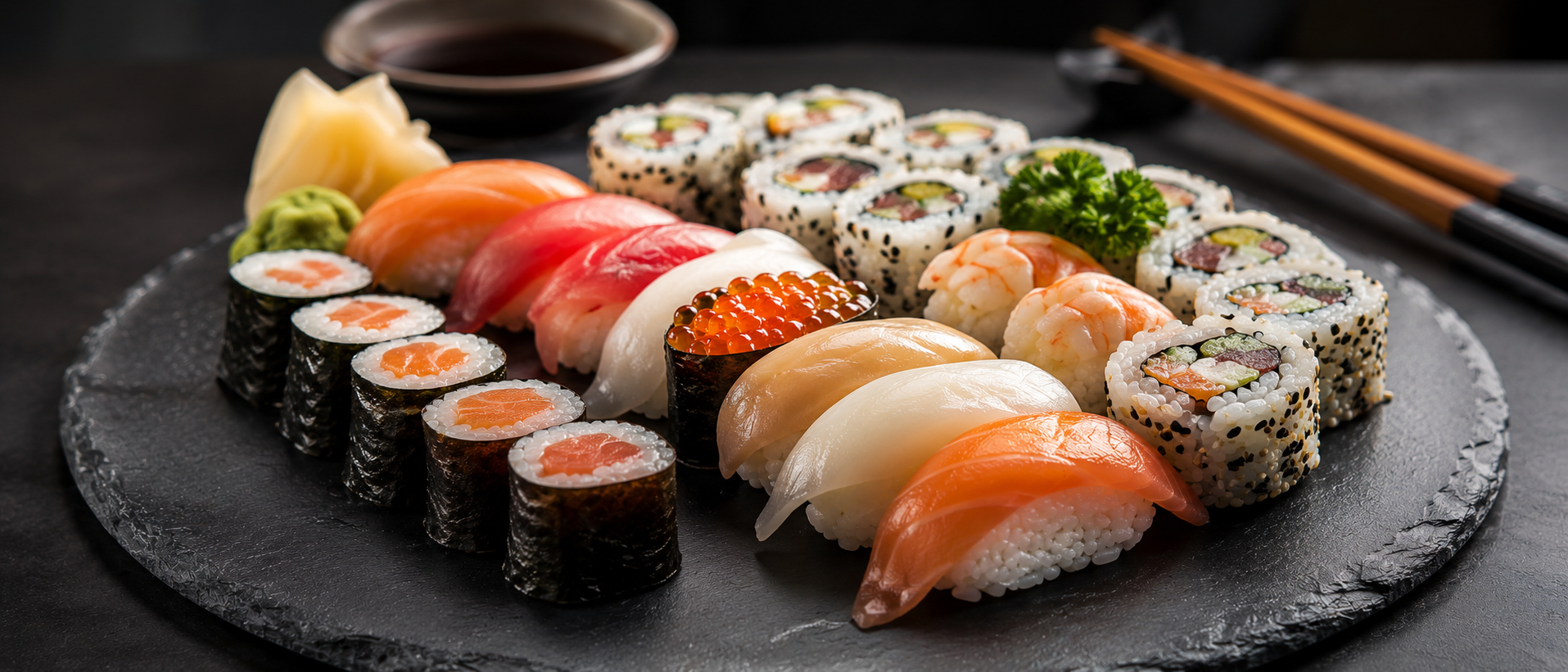
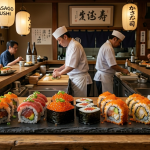
Sushi has a health halo. People assume it’s light, clean, a smart dinner choice. And it can be all of those things. It can also be a 600-calorie roll wrapped in spicy mayo with fried batter crumbled on top. The gap between those two realities is everything.
The calorie count in sushi swings wildly depending on what you’re actually ordering. Sashimi and an elaborate specialty roll can share a menu and share almost nothing else nutritionally. Knowing the difference doesn’t mean obsessing over numbers. It means being able to make an informed call, which is the whole point.
Here is exactly what each type of sushi costs you, and where the surprises tend to hide.
Sashimi: The Lowest Calorie Option
Sashimi is the baseline. No rice, no sauce, no filler – just thinly sliced raw fish served with wasabi and soy sauce. A single piece of salmon sashimi runs about 41 calories, with most of that coming from protein. A piece of tuna sashimi is slightly leaner, sitting around 35-40 calories per piece depending on cut.
A typical sashimi serving is three to four pieces, which puts a full plate at roughly 120 to 160 calories. If you add a second plate, you’re still at a very manageable 240-320 calories for a meal that’s rich in protein and omega-3 fatty acids.
The Harvard T.H. Chan School of Public Health’s research on fish consumption found that eating one to two servings of fatty fish per week – salmon, mackerel, tuna – reduces the risk of dying from heart disease by more than a third. Sashimi is essentially the most direct way to get those benefits without anything else in the way.
The only caveat is sodium from soy sauce, which adds almost no calories but can add significant salt to a meal. Low-sodium soy sauce solves this. Worth asking for.
Nigiri: The Middle Ground
Nigiri adds a small bed of vinegared rice under a slice of fish. That rice ball accounts for roughly half the total calorie count per piece. A single piece of nigiri runs between 40 and 65 calories depending on the fish, with the rice contributing around 30-40 calories on its own.
To put numbers on specific fish: tuna nigiri sits at about 50-55 calories per piece, salmon around 55-65 (the fat content in salmon pushes it slightly higher), shrimp is at the lower end near 40-45 calories, and eel nigiri is the most calorie-dense traditional option at around 75-85 calories per piece due to the sweet unagi sauce applied during cooking.
Six pieces of nigiri – a standard order – comes in at around 280-360 calories total, depending on your choices. That’s a real meal with substantial protein, moderate carbohydrate, and meaningful fat. It’s also the format that Healthline’s nutrition coverage of sushi types notes as giving you the most balanced macronutrient ratio in traditional sushi, at roughly 70% carbs, 9% fat, and 21% protein per six-piece serving.
If you’re watching calories, lean white fish nigiri – whitefish, sea bass, flounder – lands at the lower end of that range consistently. Salmon and eel push to the top.
Standard Maki Rolls: Better Than You Think
A standard maki roll – raw fish, rice, vegetable, nori – runs between 200 and 300 calories for a six-to-eight-piece roll. This is where sushi earns its reputation as a reasonable meal.
Some specifics that come up regularly: a spicy tuna roll (tuna, rice, spicy mayo) lands at around 290-300 calories for six pieces, with about 100 of those calories coming directly from the spicy mayo. A California roll – imitation crab, avocado, cucumber – runs about 250-260 calories for eight pieces. An avocado roll, which is a purely vegetarian option, comes in at around 140-170 calories for six pieces.
The avocado roll is worth mentioning separately. Avocado adds healthy monounsaturated fat, which pushes calories slightly above a basic cucumber roll (around 130 calories for six pieces), but it also makes the roll genuinely satisfying in a way that cucumber alone usually doesn’t. For calorie-conscious ordering, it’s often the best trade.
Specialty and Western-Style Rolls: The Real Calorie Traps
This is where the gap opens up. Western-style specialty rolls are often the reason people leave a sushi restaurant having consumed significantly more than they expected.
A dragon roll – typically eel and cucumber inside, avocado and sometimes salmon on top – ranges from 410 to 570 calories per roll. A shrimp tempura roll runs between 417 and 508 calories. A Philadelphia roll (salmon, cream cheese, cucumber) comes in at roughly 290-320 calories, with the cream cheese doing significant caloric work. A spider roll, made with tempura soft-shell crab and spicy mayonnaise, can exceed 500 calories for half a roll.
The pattern is consistent. Tempura means fried. Spicy almost always means mayo-based sauce. Crispy means fried batter. Those three words alone are responsible for most unexpected calorie loads at the sushi table.
Spicy mayo adds approximately 90 calories per tablespoon, and specialty rolls often use more than one. The sauce isn’t just a garnish – it’s a substantial part of the calorie count, and it frequently doesn’t appear in the roll’s name in a way that signals what it’s doing to the total.
Vegetarian Rolls: The Overlooked Option
Cucumber rolls and vegetable rolls are genuinely low-calorie in a way most people don’t expect. A six-piece cucumber roll averages about 130 calories. A six-piece avocado roll runs around 140-170. Both deliver fiber, hydration, and real satisfaction for the calorie load, especially paired with miso soup.
Miso soup itself is worth ordering deliberately. At 70-80 calories per bowl, it adds warmth, protein from tofu, and umami depth while helping you feel full. A seaweed salad – around 130 calories per cup – rounds out a sashimi or nigiri order without inflating the total significantly.
The Soy Sauce Problem
Soy sauce is essentially calorie-neutral – a tablespoon has about 10 calories. The issue is sodium, not calories. A single tablespoon of standard soy sauce contains around 900mg of sodium, which is nearly 40% of the recommended daily intake from one condiment.
This matters if you’re monitoring blood pressure or sodium intake generally. It doesn’t affect the calorie count, but it’s worth knowing. The Mayo Clinic’s guidance on heart health and omega-3s recommends at least two servings of fatty fish per week for cardiovascular benefit – sushi is a genuinely efficient way to hit that target, but the soy sauce situation is the trade-off to manage.
Low-sodium soy sauce cuts that number roughly in half. Most sushi restaurants have it. Worth asking.
The Brown Rice Option
Some sushi restaurants offer brown rice as a substitute for standard white sushi rice. The calorie difference is minimal – brown rice actually has slightly more calories per gram than white rice. The meaningful difference is fiber and glycemic index.
Brown rice is slower-digesting, which blunts the blood sugar spike and extends satiety. If you’re eating sushi frequently and managing blood sugar or energy levels across the day, it’s a reasonable ask. It won’t change the calorie count materially, but it changes what those calories do.
Mercury and Raw Fish: What You Actually Need to Know
Sashimi and nigiri are raw fish, and two questions come up consistently when people start eating them regularly – mercury and safety.
On mercury: the FDA’s guidance on fish consumption recommends most adults eat two to three servings of fish per week from lower-mercury options, which includes salmon, tuna (in moderation), shrimp, and most whitefish commonly served in sushi. Bigeye tuna has higher mercury levels than skipjack or yellowfin and should be limited, especially for pregnant women and children. For most healthy adults eating sushi a few times a week, mercury from typical sushi fish is not a meaningful concern.
On raw fish safety: reputable sushi restaurants use fish that has been frozen according to FDA guidelines – at -4 degrees Fahrenheit for at least seven days, or at -31 degrees for 15 hours – which eliminates parasites. The risk of illness from sushi-grade fish prepared at an established restaurant is low. The risk is higher with fish that hasn’t been properly handled, which is why sushi from a restaurant with visible turnover and proper cold chain is meaningfully different from old supermarket product.
What a Smart Sushi Order Looks Like
Sashimi of salmon or tuna, four to six pieces: roughly 160-240 calories with high protein and omega-3s. Add a cucumber or avocado roll: another 130-170 calories. Miso soup: 70-80 calories. A complete, genuinely satisfying meal at 360-490 calories with exceptional nutritional density. That’s the architecture.
If you want something with rice throughout, six pieces of tuna or shrimp nigiri runs 280-360 calories. Add a simple maki roll with no sauce and you’re at 450-600 calories depending on what you choose.
The version that runs away from you is two or three specialty rolls with tempura and spicy sauce. That’s 800 to 1,500 calories before you’ve added anything on the side.
Same restaurant. Same menu. Completely different meal depending on which column you order from.
For more coverage of food facts that matter, the masago.blog homepage has the full range. If you want to know what’s actually in specific sushi components you might be eating – the fish roe used as a topping or garnish – our breakdown of what masago actually is covers the origin, nutrition, and how it compares to other roe. The masago vs tobiko piece goes deeper on the comparison that comes up most often at actual sushi restaurants. And if you want to understand what you’re ordering when the menu says masago or tobiko, the full guide to masago in sushi covers it.
For the broader health context, our Health & Wellness category has more.
Small things. Big flavor.
FAQs
How many calories are in a sushi roll?
A standard maki roll with raw fish, rice, and vegetables runs between 200 and 300 calories for six to eight pieces. Specialty rolls with tempura, cream cheese, or spicy sauce can range from 400 to 600 calories or more per roll. The difference is almost entirely in the preparation style and added sauces.
Is sushi good for weight loss?
Sashimi and simple nigiri are excellent for weight loss – high in protein, moderate in calories, and nutrient-dense. Specialty western-style rolls with fried ingredients and mayo-based sauces are less useful. The sushi itself is not the issue; the additions are.
How many calories are in sashimi?
Between 25 and 45 calories per piece depending on the fish. A three-to-four-piece serving runs roughly 100-160 calories with no rice and no sauce. It’s the lowest-calorie form of sushi.
How many calories are in nigiri?
Between 40 and 65 calories per piece. Lean white fish nigiri lands at the lower end; eel, salmon, and mackerel at the higher end due to fat content and sauce. Six pieces of mixed nigiri averages around 280-360 calories total.
What sushi has the most calories?
Specialty rolls involving tempura frying, cream cheese, and spicy mayo are consistently the highest-calorie options. Dragon rolls (410-570 calories), shrimp tempura rolls (417-508 calories), and spider rolls (500+ calories for half a roll) represent the top of the range.
Does sushi have a lot of sodium?
The fish and rice themselves are moderate in sodium. The soy sauce is where sodium accumulates rapidly – a single tablespoon contains roughly 900mg. Low-sodium soy sauce is widely available at sushi restaurants and cuts that figure roughly in half.
How many calories are in a California roll?
About 250-260 calories for an eight-piece California roll. The imitation crab, cucumber, and avocado keep the calorie count reasonable, and the absence of raw fish makes it a safe option for those avoiding raw seafood.
Is sushi high in omega-3s?
Fatty fish sushi – salmon sashimi and nigiri especially – is a meaningful source of omega-3 fatty acids. Two to three servings per week of fatty fish aligns with both Mayo Clinic and Harvard School of Public Health recommendations for cardiovascular health.