The Best Fluffy Pancakes recipe you will fall in love with. Full of tips and tricks to help you make the best pancakes.

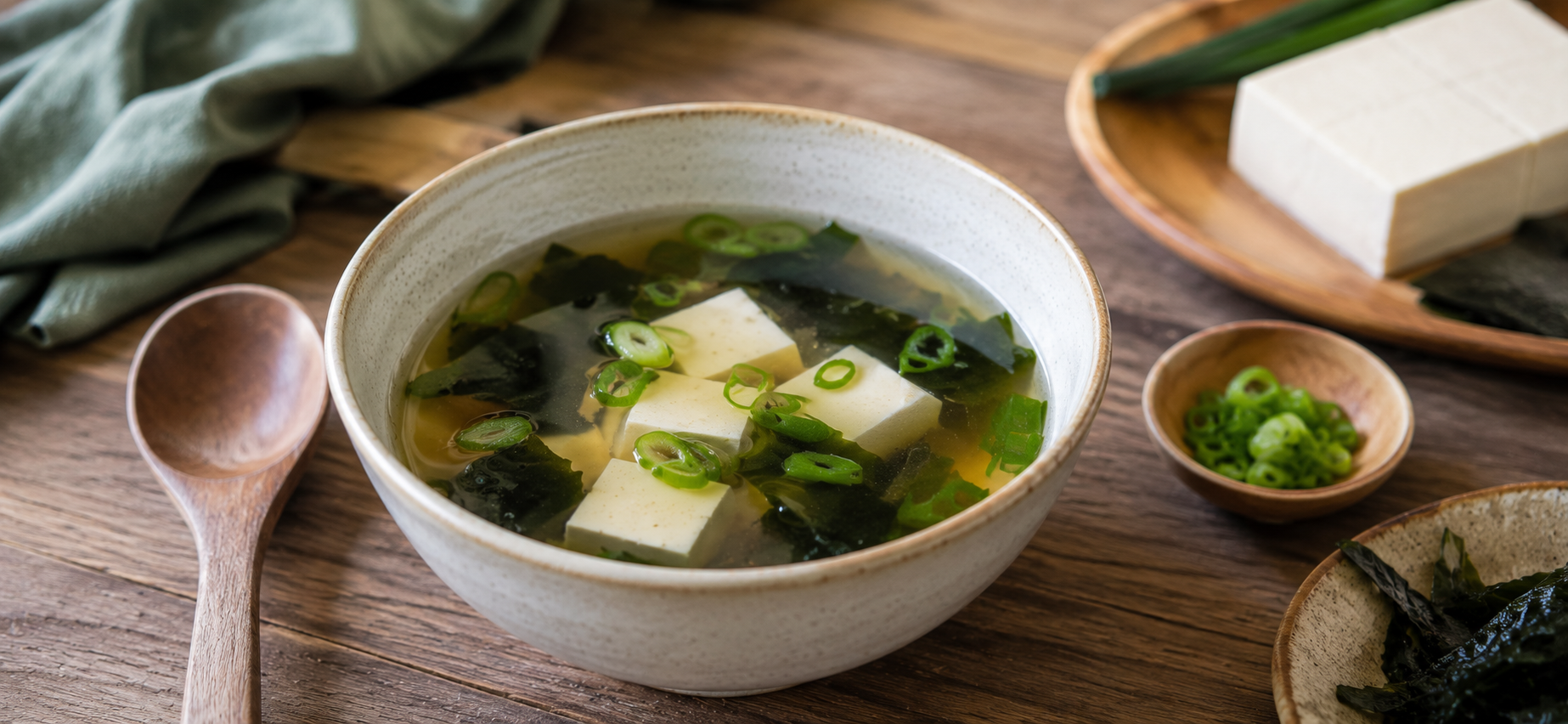
There’s something oddly comforting about the little bowl of clear soup that arrives before the meal at a Japanese restaurant. It’s quiet food. Nothing flashy about it. No heavy cream, no overload of ingredients, no dramatic presentation. Just a light, savoury broth with a few slices of mushroom, maybe some onion, maybe a floating scallion ring or two.
And somehow, it works every single time.
For a lot of people, that first sip of Japanese clear soup is tied to a very specific memory – sitting at a hibachi table waiting for the chef to start the show, warming up on a cold night with takeout containers spread across the kitchen counter, or trying something unfamiliar for the first time and realising simple food can still feel deeply satisfying.
The funny thing is, most people assume this soup is complicated because the flavour tastes layered and restaurant-made. But once you learn how to make a proper, clear soup recipe at home, you realise it’s mostly about patience more than skill. The ingredients are simple. The process is forgiving. And the result tastes like something that took far more effort than it actually did.
If you’ve ever wondered what clear soup is or why Japanese restaurants serve it before the main meal, this is the kind of recipe worth learning once and keeping forever.
If you enjoy simple Japanese comfort foods made from scratch, you might also like these guides on homemade noodles, Nobu-style miso cod, and what gunkan sushi actually is.
What Is Japanese Clear Soup?
Despite the name, stock isn’t completely transparent like water. It’s usually a light golden broth made from slowly simmered vegetables, stock, garlic, ginger, and onions until everything becomes deeply savory but still delicate.
In many American Japanese restaurants, especially hibachi-style restaurants, this soup is often called Japanese onion soup because onions do a lot of the heavy lifting flavour-wise. The broth is then strained so the finished soup stays light and “clear,” rather than thick or chunky.
That’s really the whole appeal of it.
It’s not trying to be rich or overwhelming. It’s meant to wake up your appetite instead of filling you up. And honestly, that’s probably part of why it feels so comforting. The flavour is subtle in a way that most modern food rarely is anymore.
A good Japanese soup like this tastes clean, warm, and balanced. You notice the sweetness of the onions, the earthiness from mushrooms, the depth from stock, and the little hit of ginger right at the end.
If you’re already into Japanese food, there’s a good chance you’ve come across ingredients like masago or wondered about the difference between masago and tobiko. Japanese cuisine tends to rely heavily on balance and subtle flavour – and this soup follows that same philosophy.
Why This Soup Tastes So Good in Restaurants
The restaurant version feels mysterious until you realise what’s happening behind the scenes: they let the broth simmer long enough for simple ingredients to slowly do their thing.
That’s it.
A lot of home cooks rush soup because soup seems casual. But Japanese clear soup rewards are slowing down a little. When onions, celery, carrots, garlic, and mushrooms simmer gently together, the broth develops that layered flavour people associate with restaurant soup.
Straining the broth afterwards matters too. It gives the soup that clean texture that makes it feel lighter than most homemade soups.
And unlike heavier soups, this one doesn’t leave you feeling full after a few spoonfuls. It actually makes you want dinner more.
That’s probably part of the reason lighter dishes and broths continue getting more attention lately, alongside things like zero-calorie foods and healthier comfort meals.
What You Need for a Japanese Clear Soup Recipe
One of the best things about this Japanese clear soup recipe is that almost everything is inexpensive pantry or refrigerator basics.
Here’s what typically goes into it:
- Onion
- Carrots
- Celery
- Garlic
- Fresh ginger
- Mushrooms
- Chicken broth or vegetable broth
- Soy sauce
- Green onions for serving
That’s really it.
Some recipes use beef broth for a deeper hibachi-style flavour. Some stay completely vegetarian. Some add sesame oil at the end. But the heart of the soup stays pretty consistent: vegetables slowly building flavour inside a clear broth.
Fresh ginger makes a huge difference here. It’s subtle, but it gives the soup that unmistakable restaurant aroma the second steam hits your face.
Mushrooms matter too. Even if you don’t plan to eat them in the final bowl, they give the broth a savoury depth that would otherwise be missing.
For drinks alongside the soup, something simple and earthy works beautifully. A lot of people pair Japanese meals with green tea or even look for the healthiest green tea options to keep the whole meal feeling light and balanced.
The Best Japanese Clear Soup Recipe to Make at Home
This version keeps things simple and very close to the kind of clear soup served in Japanese steakhouses.
Ingredients
- 1 tablespoon oil
- 1 medium onion, roughly chopped
- 2 carrots, chopped
- 2 celery stalks, chopped
- 3 garlic cloves, smashed
- 1-inch piece of fresh ginger, sliced
- 1 cup mushrooms, sliced
- 6 cups chicken broth or vegetable broth
- 1 tablespoon soy sauce
- Salt and pepper to taste
- Green onions for garnish
Instructions
1. Cook the vegetables slowly
Heat oil in a large pot over medium heat. Add the onion, carrots, celery, mushrooms, garlic, and ginger.
Cook for about 10 minutes, stirring occasionally, until the onions soften and everything smells deeply fragrant. You’re not trying to brown the vegetables heavily – just letting them release flavour.
This step matters more than people think.
2. Add the broth
Pour in the broth and soy sauce. Bring everything to a gentle simmer.
Not a hard boil. Just a slow simmer.
Let the soup cook uncovered for about 30 to 45 minutes. During this time, the broth takes on all the flavour from the vegetables while still staying light.
Your kitchen will smell exactly like a hibachi restaurant somewhere around minute twenty.
3. Strain the soup
Once the broth tastes rich and savoury, strain out all the vegetables using a fine mesh strainer.
This is what transforms it from vegetable soup into proper, clear soup.
You can discard the vegetables or snack on the mushrooms while standing in the kitchen, like most people do.
4. Serve hot
Pour the strained broth into bowls and top with sliced green onions.
That’s all it needs.
Some people add thin mushroom slices back into the bowl for texture. Some add crispy onions. Some keep it completely plain.
There really isn’t a wrong version once the broth is good.
If you’re turning this into a full Japanese-inspired dinner night, dishes like sushi, grilled fish, or even recipes using masago sauce pair surprisingly well with this kind of light starter.
Tips That Make Homemade Clear Soup Taste Better
Don’t rush the simmer
This soup depends on extraction, not complexity. The longer gentle simmer gives the broth depth without making it muddy or heavy.
Use good broth
Because the ingredient list is small, every ingredient matters more. A better-quality broth makes a noticeable difference.
Keep the heat gentle
Boiling too aggressively can cloud the soup and dull some of the cleaner flavours. Low and slow works best here.
Ginger should stay subtle
You want warmth, not a sharp spicy broth. One small piece is usually enough.
Taste before adding extra salt
Soy sauce already brings saltiness, and broths vary a lot depending on the brand.
Why People Keep Coming Back to This Soup
There are more elaborate soups out there. Richer soups, too.
But Japanese onion soup has a kind of simplicity that people end up craving unexpectedly, especially during colder months or stressful weeks when heavy food starts feeling exhausting.
It’s light without feeling empty.
Comforting without being overly rich.
And maybe most importantly, it feels doable.
You can make this on a random weeknight without planning much ahead. Most of the ingredients are already sitting somewhere in the kitchen. And the process itself is calming in a way complicated cooking usually isn’t.
That’s probably part of why restaurant-style Japanese soup has stayed popular for so long. It delivers warmth and flavour without demanding too much from either the cook or the person eating it.
And honestly, that same simplicity is part of why traditional Japanese-inspired dishes continue to resonate with people. Whether it’s learning about whether sushi is always raw fish or figuring out the best sushi rice brands, there’s usually a focus on balance rather than excess.
FAQs About Japanese Clear Soup
What is clear soup made of?
Most clear soup recipes use broth, onions, carrots, celery, mushrooms, garlic, and ginger simmered together until flavorful. The vegetables are then strained out so the broth stays light and clear.
Is Japanese clear soup healthy?
Generally, yes. Japanese clear soup is usually low in calories, light, and made mostly from vegetables and broth. It’s much lighter than cream-based soups.
Why is it called clear soup?
It’s called clear soup because the broth is strained after cooking, leaving behind a clean, transparent broth instead of a thick or chunky soup.
Is Japanese onion soup the same as clear soup?
In many restaurants, yes. Japanese onion soup is often another name for Japanese clear soup because onions are one of the main flavour ingredients.
Can you make a clear soup vegetarian?
Absolutely. Just use vegetable broth instead of chicken broth. Mushrooms help provide plenty of savoury flavour even without meat.
How long does homemade clear soup last?
Stored in an airtight container, the broth keeps well in the refrigerator for about 3 to 4 days. The flavour actually deepens a little overnight.
Can clear soup be frozen?
Yes. Let the soup cool completely before freezing. Since there’s no cream or pasta involved, it freezes very well.
What goes well with Japanese clear soup?
Clear soup pairs perfectly with sushi, hibachi dishes, fried rice, dumplings, or simple grilled chicken and vegetables.