The Best Fluffy Pancakes recipe you will fall in love with. Full of tips and tricks to help you make the best pancakes.

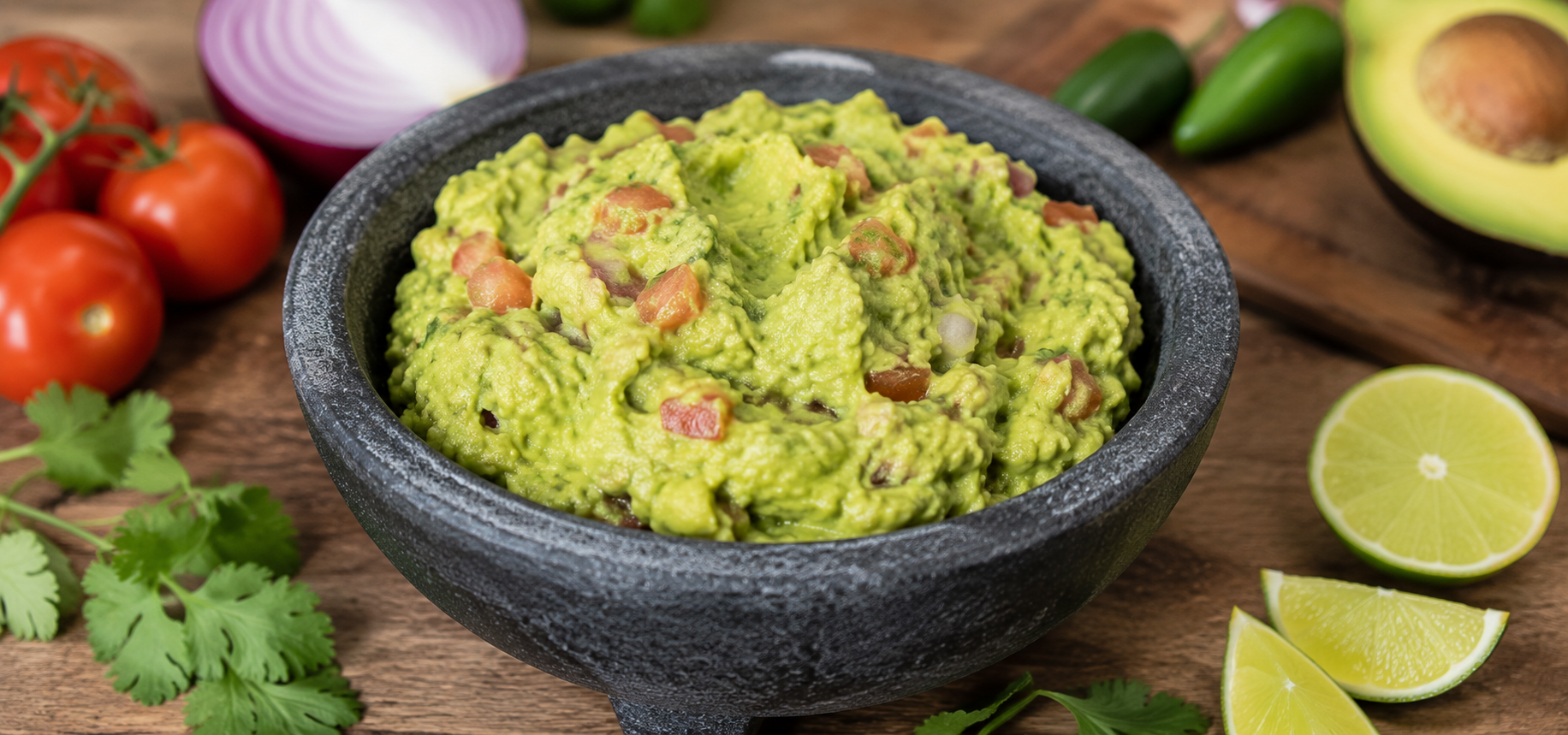
There’s a version of guacamole you get at restaurants that ruins all other guacamole for you. The kind that arrives in a stone bowl, still slightly chunky, bright green, with just enough salt and lime that every chip you dip into it disappears faster than you planned.
Then there’s the kind you find in plastic tubs at the grocery store.
The gap between those two things is significant. And it’s also completely fixable at home.
This guacamole recipe is the one worth keeping. Not fussy. Not full of twenty ingredients that require a special trip to three different stores. Just a simple, honest homemade guacamole that tastes exactly like the good stuff – the kind people lean over and ask “what did you put in this?”
If you’ve been searching for the best guac recipe and bouncing between results that all say roughly the same thing with slightly different proportions, this is the one to actually make. Once. You’ll stop looking after that.
Why Most Homemade Guacamole Falls Flat
Most people know the basic guacamole ingredients. Avocado, lime, salt. But the reason so many homemade guacamole recipes end up tasting a bit flat or a bit one-note usually comes down to three things.
First, the avocados aren’t ripe enough. An underripe avocado will never become good guac – you can mash it all day and it’ll taste grassy and stiff. Second, people skip the salt or go too light on the lime, which are the two things that actually make avocado taste like avocado. And third, the mix-ins get either overdone or completely skipped, so the dip ends up boring or chaotic.
The best homemade guacamole recipe doesn’t need to be complicated. It just needs to be balanced. A little acid. A little heat. Something fresh. Something that ties it together.
That’s it. Once you understand that, every guac recipe you make from here will be better than the last.
Picking the Right Avocados
Before we even talk about technique, let’s talk about avocados – because this is the single most important step and the one most people get wrong.
A ripe avocado should give slightly when you press it with your thumb. Not mushy. Not hard. Somewhere in the middle, like a firm stress ball that just started softening. The skin should be dark – almost black for Hass avocados, which are by far the most common and the best choice for guac.
If your avocados are hard and green, leave them on the counter for two to three days. Don’t refrigerate them until they’ve ripened. Once they’re ripe, you can store them in the fridge for another day or two to slow things down.
One tip that actually works: if you need avocados to ripen faster, put them in a paper bag with a banana. The ethylene gas from the banana speeds up the process. Sounds like a food myth, but it genuinely works.
For a good homemade guacamole, you want two large or three medium ripe avocados. That gives you enough to work with and enough texture to keep the dip interesting.
The Best Simple Guacamole Recipe – Ingredients
Here’s what you need for the best homemade guac. These are the essentials – nothing obscure, nothing that requires a speciality store.
- 2 large ripe avocados (or 3 medium)
- Juice of 1 lime (about 2 tablespoons)
- 1/2 teaspoon kosher salt, plus more to taste
- 1/4 small red onion, finely diced
- 1 jalapeño, seeded and finely chopped (or half if you prefer less heat)
- Small handful of fresh cilantro, roughly chopped
- 1 small Roma tomato, seeds removed, diced
- 1 small clove of garlic, finely minced (optional but good)
That’s your core list. Nothing weird. Nothing that takes longer to find than it does to make the dip.
A note on the tomato: some people leave it out entirely and argue the best guac recipe doesn’t need it. That’s a valid position. Tomato adds freshness and a bit of moisture, but it can also water the dip down if the seeds aren’t removed. If you like it, add it. If not, skip it.
A note on cilantro: yes, some people genuinely dislike cilantro – genetics makes it taste like soap to roughly 10% of people, according to research on taste perception. If that’s you, just leave it out. The guac will still be delicious.
How to Make Homemade Guac – Step by Step
Step 1: Cut and scoop the avocado
Slice each avocado in half lengthwise, running the knife around the pit. Twist the two halves apart. Remove the pit carefully – the easiest way is to just scoop it out with a spoon rather than the dramatic knife trick you see in videos.
Scoop the avocado flesh into a bowl using a large spoon.
Step 2: Season before you mash
This is the part most people skip, and it makes a real difference. Before you mash anything, add the lime juice and salt directly onto the avocado. Let it sit for 30 seconds. The acid starts breaking down the flesh slightly and the salt draws out flavor right from the start.
Step 3: Mash to your preferred texture
Use a fork or a potato masher. Do not use a blender or food processor – you’ll end up with avocado baby food, not guacamole.
For chunky guac (the best kind, if you ask most people), mash roughly and leave visible pieces of avocado. For a smoother version, mash more thoroughly. Either works – it’s personal preference.
Step 4: Fold in the mix-ins
Add the diced onion, jalapeño, cilantro, tomato, and garlic if using. Stir gently with a fork rather than aggressively mixing. You want everything incorporated but not completely blended together.
Step 5: Taste and adjust
This step matters more than any other. Taste your guacamole before you serve it. Does it need more lime? More salt? A bit more heat? Add whatever it’s missing. Every batch of avocados is slightly different, so every good guac recipe needs a final taste test.
What Makes This the Best Guacamole Recipe
A good recipe for guac isn’t just about ingredients. There are a few small techniques that make the difference between guacamole that’s fine and guacamole that people ask for the recipe.
The lime goes in first. Lime juice isn’t just for flavor – it slows down oxidation and keeps your guac green longer. Adding it before anything else means every piece of avocado gets coated immediately.
Don’t over-mash. Chunky guacamole has more texture, more visual appeal, and honestly more flavor because the avocado pieces still hold their natural creaminess. A smooth puree loses all of that.
Red onion over white. Red onion has a sharper, more complex flavor than white or yellow onion. It adds a little bite without overpowering. If you find raw onion too strong, soak the diced pieces in cold water for five minutes before adding them.
Fresh lime juice only. Bottled lime juice is not the same thing. The flavor is flatter and slightly metallic. It’s worth squeezing a real lime. Same goes for lemon if you ever substitute.
Salt generously. Avocado needs more salt than you think. Under-salted guacamole tastes bland even when everything else is right. Add a little, taste, add more, taste again.
Storing Homemade Guacamole (and Keeping It Green)
The biggest complaint about homemade guacamole recipes is that the dip turns brown quickly. This happens because avocado oxidizes when exposed to air – the same process that makes cut apples turn brown.
The lime juice slows it down significantly, but here’s the method that actually preserves color overnight:
Press plastic wrap directly against the surface of the guacamole, pushing out any air pockets. Not over the bowl – directly onto the dip itself. Then seal the bowl with a lid or more plastic wrap on top. Store in the refrigerator.
Another trick that works: spread a thin layer of water or lime juice across the surface before covering. The liquid creates a barrier against air. Pour it off before serving.
Stored this way, a good homemade guacamole will stay reasonably green for up to 24 hours. After that, it’s going to start losing color regardless – but it’ll still taste fine.
If you’re making it for a party, make it as close to serving time as you can. The fresh version is always better.
Variations Worth Trying
The core recipe above is the classic. But once you have the basics down, there are a few variations that are genuinely worth making.
Mango guacamole – Add diced ripe mango for a sweet and spicy version that works really well with grilled fish or chicken tacos. About a quarter cup of diced mango per two avocados.
Roasted garlic guacamole – Instead of raw minced garlic, use a clove or two of roasted garlic. It adds a mellower, sweeter depth that’s really different from the sharp raw version.
Extra spicy guac – Leave the seeds in the jalapeño, or add a small serrano pepper instead. Serrano runs hotter than jalapeño and gives the dip a different kind of heat.
Bacon guacamole – Crumbled crispy bacon stirred through right before serving. It shouldn’t work but it absolutely does.
What to Serve With Guacamole
The obvious answer is tortilla chips – and yes, that’s the classic for a reason. But homemade guacamole is genuinely versatile enough to work in a lot of situations.
It’s great as a spread on sandwiches or burgers. It works as a topping for grilled chicken or fish tacos. It’s a solid addition to grain bowls, especially with black beans, roasted corn, and a lime crema. Some people use it as a salad dressing when thinned out slightly with lime juice.
If you’re looking for drinks to serve alongside – especially at a party – something light and citrusy pairs well. A simple margarita, a sparkling water with lime, or an agua fresca all work beautifully without competing with the guacamole’s flavors.
If you enjoy fresh, from-scratch Mexican-inspired recipes, you’d probably also enjoy exploring other homemade staples – there’s something really satisfying about building a whole spread from scratch rather than opening bags and jars.
The Short Version (For When You Need It Fast)
Sometimes you just need the quick reference. Here’s the best simple guacamole recipe stripped down to the essentials:
2 ripe avocados + juice of 1 lime + 1/2 tsp salt + 1/4 red onion (diced) + 1 jalapeño (diced) + handful of cilantro + 1 Roma tomato (diced)
Mash the avocado with lime and salt first. Fold in everything else. Taste. Adjust. Done.
Takes about ten minutes. Feeds four people as an appetizer, two people as a situation.
Frequently Asked Questions About Guacamole
How ripe do the avocados need to be?
Very ripe. The skin should be nearly black (for Hass avocados) and the flesh should give slightly when pressed. An underripe avocado will never make good guac – the texture will be stiff and the flavor will be flat no matter what you do to it.
Can I make guacamole ahead of time?
Yes, but ideally no more than a few hours ahead. Press plastic wrap directly onto the surface to block air contact, and refrigerate. Add a thin layer of lime juice on top for extra protection. It won’t be quite as bright green the next day but it’ll still taste good.
Why does my guacamole taste bland?
Almost always, it’s under-salted or under-limed. Avocado needs more acid and more salt than you’d expect. Taste and keep adjusting until it tastes bright and balanced, not flat.
Do I need cilantro in guacamole?
No. Cilantro is traditional and adds freshness, but if you dislike it, leave it out. The recipe is still excellent without it.
What’s the difference between guacamole and avocado dip?
Technically, proper guacamole uses fresh avocado mashed with lime, salt, and aromatics. Avocado dip can refer to smoother, sometimes cream-based preparations. Most of the time the terms get used interchangeably, but a real guacamole recipe is always avocado-forward and fresh.
Can I freeze guacamole?
Technically yes – it won’t be unsafe to eat after freezing – but the texture changes significantly once thawed. It gets watery and slightly grainy. If you have leftovers you can’t finish, freezing is better than throwing it out, but don’t make guacamole specifically to freeze it.
How do I stop guacamole from turning brown?
Lime juice helps. Pressing plastic wrap directly onto the surface of the dip removes air contact and slows oxidation significantly. Adding a thin layer of cold water or extra lime juice across the surface before sealing also works. The pit trick (leaving the avocado pit in the bowl) is mostly a myth – it only protects the small area directly beneath it.
Is guacamole actually healthy?
Yes, in the way most whole food dishes are healthy when eaten in reasonable amounts. Avocados are high in healthy monounsaturated fats, fiber, and potassium. The nutritional profile of avocados is genuinely solid. Combined with fresh vegetables, lime, and nothing processed, guacamole is one of the better things you can dip a chip into.
Looking for more from-scratch recipes? Explore our cooking section for more ideas that start with real ingredients and end with something worth eating.