The Best Fluffy Pancakes recipe you will fall in love with. Full of tips and tricks to help you make the best pancakes.

Most mornings involve a compromise.
You either have time for breakfast or you have time for coffee. You grab one or the other, skip the protein you know you should be eating, and then wonder why you’re hungry again by 10am and reaching for something you didn’t plan to eat.
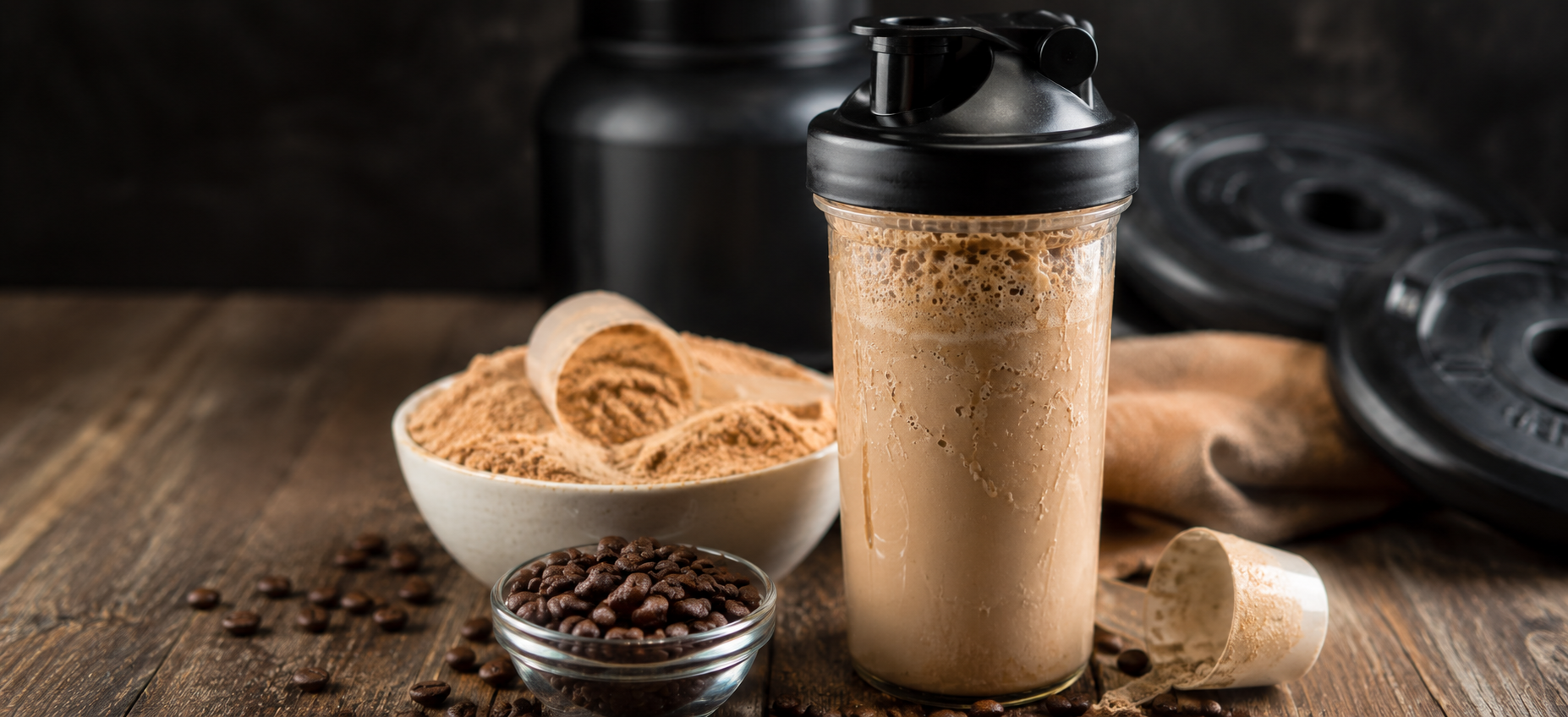
A coffee protein shake solves that specific problem. It’s not a gimmick. It’s not a complicated wellness trend. It’s just a smarter way to combine two things most people want in the morning – caffeine and something that actually keeps them full – into one drink that takes about five minutes to make.
Once you find the version you like, it becomes one of those habits that quietly makes the rest of your day slightly better. More energy, less hunger, better focus. All from something that takes less time to make than waiting in a coffee shop line.
This is everything you need to know about making a great coffee protein shake – the base recipe, the variations worth trying, and how to get the flavor right so it actually tastes good rather than just being functional.
Why Coffee and Protein Work Well Together
It sounds simple because it is simple. But there’s a reason this combination has become a fixture in a lot of people’s morning routines.
Caffeine from coffee improves alertness and focus – that part everyone knows. What’s less discussed is that protein slows digestion and stabilizes blood sugar, which prevents the energy crash that often follows a coffee-only breakfast. The two things work together rather than against each other.
According to research on protein and satiety, protein is the most filling of the three macronutrients. A breakfast with adequate protein keeps you full significantly longer than a carbohydrate-heavy one. Combined with the appetite-suppressing effect of caffeine, a protein coffee shake in the morning can genuinely shift how hungry you feel through the first half of the day.
The other practical benefit: for people who work out in the morning, coffee before exercise has been shown to improve performance and endurance, and protein after exercise supports muscle recovery. A coffee protein shake consumed around a morning workout covers both bases at once without requiring separate drinks.
What Goes Into a Good Coffee Protein Shake
Before the recipe, it’s worth understanding the building blocks – because small choices here make a big difference in how the final drink tastes and how well it works.
The coffee Brewed coffee, cold brew, or espresso all work. The choice mostly comes down to flavor strength and convenience. Cold brew is the smoothest option and blends most easily with other flavors without bitterness. Espresso gives the most concentrated coffee flavor and the highest caffeine per ounce. Regular brewed coffee works well, especially if you brew it strong and let it cool or chill it overnight.
One thing worth doing regardless of which you choose: use cold or room temperature coffee rather than hot. Hot coffee blended with frozen ingredients produces a lukewarm drink and can affect how protein powder mixes. If you only have hot coffee, let it cool for ten to fifteen minutes or pour it over a few ice cubes first.
The protein powder Vanilla and chocolate are the most versatile flavors for a coffee protein shake recipe – both pair naturally with coffee flavor. Unflavored protein works well too, especially if you want the coffee to be the dominant taste.
Whey protein blends the smoothest. Casein is thicker and creates a more milkshake-like texture. Plant-based proteins (pea, hemp, rice) work well for dairy-free versions but can sometimes be slightly grittier depending on the brand – a good blender solves that.
One thing to watch: some protein powders are very sweet. If yours is heavily sweetened, you may not need any additional sweetener in the shake.
The liquid base Milk gives the creamiest result. Oat milk is a close second and adds a natural sweetness that works well with coffee flavor. Almond milk is lighter and lower in calories. Regular water works in a pinch but produces a thinner, less satisfying drink.
Optional add-ins that actually make a difference
- A frozen banana: adds natural sweetness, creaminess, and thickness without any added sugar
- A tablespoon of nut butter: adds healthy fat and richness, makes the shake more filling
- A handful of ice: essential for a cold, thick consistency
- A pinch of salt: sounds odd but brings out the coffee and chocolate flavors significantly
- Cinnamon or cardamom: both pair beautifully with coffee
The Base Coffee Protein Shake Recipe
This is the version to start with. Simple, genuinely good, and easy to adjust once you know what you want to change.
Makes: 1 large shake Time: 5 minutes
Ingredients:
- 1 cup cold brew or strong brewed coffee, chilled
- 1 scoop (25-30g) vanilla or chocolate protein powder
- 1/2 cup milk of your choice (dairy or non-dairy)
- 1/2 frozen banana (optional but recommended for thickness and sweetness)
- Handful of ice (about 1 cup)
- 1 tablespoon almond or peanut butter (optional)
- Pinch of cinnamon
Method:
Add the liquid ingredients to your blender first – coffee and milk. This protects the blender blade and helps everything mix more smoothly. Add the protein powder, frozen banana if using, nut butter, and cinnamon. Add the ice last.
Blend on high for 30 to 45 seconds until completely smooth. Taste before you pour. Does it need more coffee flavor? Add another splash of cold brew. Too strong? A bit more milk. Not sweet enough? Half a teaspoon of honey or maple syrup.
Pour into a glass and drink immediately. Coffee protein shakes are best fresh – they can separate and become less appealing if they sit for more than 20 to 30 minutes.
Variations Worth Making
Once the base recipe is familiar, these variations are genuinely worth trying. Each changes the character of the drink enough to feel like something new.
Mocha Protein Shake
Add one tablespoon of cocoa powder and use chocolate protein powder instead of vanilla. The coffee and chocolate combination is deeply satisfying – it tastes like a cold mocha from a coffee shop but with significantly more protein and significantly less sugar.
This version works especially well with oat milk, which adds a natural creaminess that rounds out the cocoa flavor.
Iced Coffee Protein Smoothie
More fruit-forward than the base recipe. Blend cold brew with vanilla protein powder, frozen banana, a handful of frozen cauliflower (it adds creaminess without flavor and you won’t taste it, genuinely), almond milk, and ice. Add a tablespoon of almond butter for fat and staying power.
The result is lighter, slightly sweeter, and closer to a smoothie in texture – good for warmer weather or anyone who prefers a fruit-forward morning drink.
Espresso Protein Shake
Use two shots of espresso instead of cold brew. The flavor is more intense, slightly bitter in the way a good espresso is, and gives the shake a stronger caffeine punch. Let the espresso cool to room temperature before blending – hot espresso added directly to ice creates a watery result as the ice melts too quickly.
Works particularly well with a scoop of unflavored or vanilla whey, a frozen banana, and whole milk for a full, rich result.
High-Protein Iced Coffee
Less smoothie, more drink. Blend cold brew, one cup of milk, one scoop of vanilla protein powder, and ice. That’s it. No banana, no extras. The result is close to an iced latte in feel but with 25 to 30 grams of protein per glass. For people who want something lighter and less filling, this is the version.
Peanut Butter Coffee Shake
Two tablespoons of natural peanut butter, chocolate protein powder, cold brew, oat milk, and ice. This is the most filling version on the list and the one that keeps you satisfied longest. The peanut butter adds fat and protein on top of the protein powder, creating a shake that functions more like a full meal replacement than a quick drink.
How to Make It Without a Blender
Not everyone has a blender accessible in the morning, and that’s a fair constraint. Here’s a version that works with just a shaker bottle.
Use cold brew concentrate (which is thicker and mixes more easily than regular cold brew) or two shots of espresso at room temperature. Add to the shaker bottle with one scoop of protein powder and enough milk to fill roughly halfway. Shake hard for 20 to 30 seconds.
Add ice to a glass and pour the shaken mixture over it.
The result won’t be as smooth or as thick as a blended version – you lose the frozen banana and the full blending process – but it’s a genuinely workable five-minute option. Whey protein mixes most smoothly this way. Plant-based protein powders sometimes clump more and are harder to get fully smooth in a shaker.
Getting the Flavor Right
This is the part most recipes skip, and it’s actually important. A coffee protein shake that tastes good is one you’ll make repeatedly. One that tastes like chalky coffee milk is one you’ll abandon after three days.
A few things that genuinely improve the flavor:
Use good coffee. Not expensive specialty coffee necessarily – just coffee you’d actually want to drink on its own. The quality of the coffee comes through in the shake, and bad coffee makes a bad shake regardless of what else you add.
Don’t over-sweeten. The frozen banana and sweetened protein powder often provide enough sweetness without adding anything else. Adding honey or syrup on top of an already-sweet protein powder makes the drink cloying rather than refreshing. Taste before adding any sweetener.
Balance the bitterness. A small pinch of salt (and we mean small – a literal pinch) reduces the perception of bitterness in coffee. So does a tiny amount of fat, which is why a splash of whole milk or a spoonful of nut butter makes coffee taste smoother. This isn’t accidental – it’s food science.
Temperature matters. A very cold shake tastes better than a lukewarm one. Use frozen banana, plenty of ice, and chilled coffee. The colder the shake, the more refreshing it feels and the less any protein powder aftertaste comes through.
A Note on Caffeine and Timing
A coffee protein shake works best consumed within 30 to 60 minutes before exercise or as a breakfast replacement. The caffeine kicks in within 20 to 45 minutes for most people, and the protein starts doing its satiety work immediately.
The average cold brew or strong brewed coffee serving contains roughly 100 to 200mg of caffeine depending on strength and volume. That’s within the range that research consistently identifies as performance-enhancing for most adults without causing jitteriness – though individual caffeine sensitivity varies significantly.
If you’re sensitive to caffeine or making this later in the day, cold brew with lower caffeine content, half-caff coffee, or decaf espresso all work in the recipe without changing the flavor meaningfully.
Frequently Asked Questions
Can I make a coffee protein shake the night before? You can prepare the ingredients – measure out the protein powder, pre-chill the coffee, keep a frozen banana ready – but blending it the night before and refrigerating it produces a separated, less appealing drink by morning. Better to blend fresh and drink immediately. The whole process takes five minutes.
What protein powder works best in a coffee shake? Vanilla whey blends most smoothly and pairs naturally with coffee flavor. Chocolate works well for a mocha-style shake. Casein creates a thicker, almost milkshake-like texture. For plant-based options, pea protein has the mildest flavor and blends reasonably well – just use a proper blender rather than a shaker bottle.
How much caffeine is in a coffee protein shake? It depends on the coffee you use. A cup of cold brew has roughly 150 to 240mg of caffeine. Two shots of espresso have around 120 to 140mg. Regular brewed coffee varies from 80 to 180mg depending on the beans and brewing strength. Add nothing to that from protein powder – most don’t contain caffeine unless specifically marketed as “pre-workout” formulas.
Is a coffee protein shake good for weight loss? It can be a useful tool. The combination of protein and caffeine supports satiety and can help reduce overall calorie intake by keeping you full longer. But a shake with added banana, nut butter, and full-fat milk can have 400 to 500 calories – which is a substantial meal, not a light snack. Keep ingredients lean if calorie management is the goal.
Can I use instant coffee instead of brewed coffee? Yes. Dissolve one to two teaspoons of instant coffee in a small amount of warm water, let it cool, then use it in the recipe. Instant coffee has a slightly different flavor profile than brewed – more bitter and less nuanced – but it works in a blended shake where other flavors are present.
Is it okay to have a coffee protein shake every day? For most healthy adults, yes. Protein shakes are a convenient way to hit daily protein targets, and moderate daily caffeine consumption is well within normal ranges for most people. If you’re using it as a meal replacement, make sure the rest of your diet includes whole foods, fiber, and varied nutrients that a shake alone won’t provide.
What’s the best milk to use in a coffee protein shake? Whole dairy milk produces the creamiest, most satisfying result. Oat milk is the best non-dairy option – it’s naturally sweet and blends smoothly. Almond milk works if you prefer something lighter and lower in calories. Coconut milk adds a tropical richness that pairs well with the mocha variation specifically.
Looking for more quick, from-scratch ideas that fit into real mornings? Browse the cooking section at Masago for recipes that work around actual schedules – not ideal ones.