The Best Fluffy Pancakes recipe you will fall in love with. Full of tips and tricks to help you make the best pancakes.

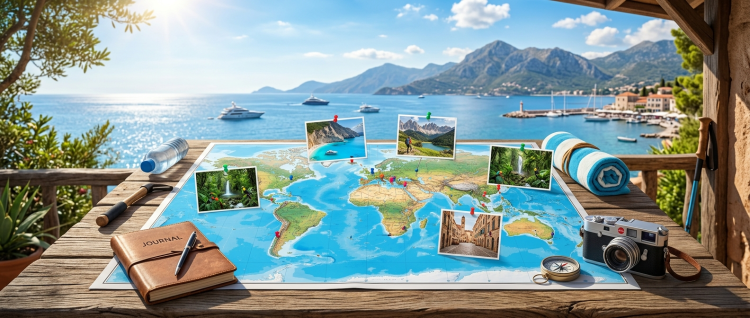
Summer is the easiest time to travel and the hardest time to choose where. Everyone has an opinion. Every list is stuffed with the same twelve destinations recycled from the year before. The honest truth is that where you should go depends entirely on what you want out of it – beach recovery, cultural overload, adventure, or just somewhere that doesn’t feel like a human traffic jam in July. This guide cuts through the noise. These are the actual best places to travel in summer 2026, organized by what kind of traveler you are, with real context on what makes each worth your time – and what doesn’t.
What Makes Summer 2026 Different
This isn’t a typical summer. Cities across North America are hosting the FIFA World Cup this summer, while the United States commemorates the 250th anniversary of the signing of the Declaration of Independence. That means certain destinations – particularly in the US and Mexico – will be significantly more crowded and expensive than usual. It also means the counter-programming is real: while everyone piles into World Cup cities, the rest of the world is relatively uncrowded and in some cases offering exceptional value.
Plan around that. Not against it.
For Beach and Sun – Greece, Sicily, and Morocco
Greece
Greece is the perennial summer answer for good reason. 2026 brings renewed buzz to the Greek islands thanks to upgraded ferry routes, boutique hotel openings, and a shift toward quieter, more authentic islands. The standard advice is Santorini or Mykonos. The better advice: go to Naxos, Milos, or Sifnos instead. Same Aegean water, same whitewashed architecture, a fraction of the foot traffic.
Santorini delivers one of the most visually iconic experiences in the world, best enjoyed with an early arrival before peak crowds build. Beaches range from volcanic black sand at Perissa to red cliffs at Akrotiri, and local food leans on fresh tomatoes, fava beans, grilled fish, and Assyrtiko wine grown in volcanic soil. If Santorini is non-negotiable for you, arrive in June rather than August. The difference in crowd density is significant.
Sicily
Sicily has always been enchanting, but 2026 sees it rising higher on travel wish lists, with improved transport links and a wave of new agritourism properties making the island more accessible and appealing than ever. Sicily is the smarter Italy pick for summer – cooler than Rome, cheaper than the Amalfi Coast (which Lonely Planet has flagged as increasingly overwhelmed by overtourism), and offering food that most people never encounter outside the island itself. Pasta alla Norma, arancini from a street vendor in Palermo, Marsala wine where it’s actually made. This is a destination where the food alone justifies the trip.
Morocco
Morocco continues to rise as a summer destination thanks to its blend of culture, affordability, and stunning landscapes. While Marrakech remains iconic, the coastal regions are the real stars for 2026. Essaouira specifically – a coastal town kept cool by Atlantic trade winds – is the version of Morocco that works in summer when Marrakech is genuinely, oppressively hot. The medina there is walkable, the seafood is excellent, and the vibe is significantly more relaxed than the major tourist cities.
For Culture and History – Japan, Jordan, and Istanbul
Northern Japan
Everyone goes to Tokyo, Kyoto, and Osaka. That’s fine. But summer in those cities is humid and crowded in ways that make sightseeing genuinely difficult. Travelers are increasingly heading north to Hokkaido and the Tohoku region of Japan, where tourism infrastructure is expanding and the areas offer a top choice for travelers seeking nature, culture, and comfort. Hokkaido in summer is a completely different Japan – lavender fields in Furano, seafood in Hakodate, hiking in Daisetsuzan National Park with almost no one else around. The food alone – fresh crab, uni, Hokkaido dairy – is worth the detour from the standard tourist circuit.
Jordan
Jordan is a timeless classic for its combination of history and unique desert experiences. Standing before the Treasury in Petra is a life-changing moment, elevated by the silence of the Wadi Rum desert. The practical tip most guides miss: buy the Jordan Pass before arrival – it waives the visa fee and covers entry to over 40 sites including Petra, which alone costs more than the pass itself. Summer is hot in Petra, so start by 6am and you’ll have the Siq mostly to yourself. That early-morning timing is the difference between a genuinely moving experience and standing in a queue.
Istanbul
Istanbul is experiencing a renaissance in 2026, with revitalised neighborhoods, new museums, and a booming culinary scene reclaiming its place as one of the world’s most captivating summer destinations. Istanbul works as a summer destination in a way that purely hot-weather cities don’t – the Bosphorus provides a natural temperature regulation, and the city is genuinely navigable by ferry in ways that make getting around enjoyable rather than exhausting. The food scene here has evolved significantly. It’s not just kebabs and baklava – it’s one of the most interesting restaurant cities in the world right now.
For Adventure – Iceland and the Faroe Islands
Iceland
Iceland is the ultimate expedition for those who prefer dramatic landscapes over tropical heat, and the trend of “coolcations” – escaping to northern latitudes – is soaring in 2026. Summer is actually the best time to visit Iceland in practical terms: the roads are open, the highland interior is accessible, and the midnight sun means you genuinely never feel rushed. The classic Ring Road takes about 10 days at a reasonable pace. The less-traveled Westfjords region takes less time and delivers more dramatic scenery with significantly fewer rental cars in your frame.
The Faroe Islands
This one surprises people. The Faroe Islands in the North Atlantic have been a challenge to reach for many years, but the national airline has increased flights to London, Paris, Barcelona, and Edinburgh, making them more accessible. Known for stunning landscapes, traditional grass-roofed houses, remote puffin colonies, and jaw-dropping waterfalls, they are the lesser-visited but just as dramatic cousin of Iceland. If you’ve been putting off Iceland because it feels too mainstream now, the Faroes are where you actually want to go. The population of the entire island chain is around 55,000 people. It shows – in the best possible way.
The Under-the-Radar Picks for 2026
Madeira, Portugal
Madeira has quietly become one of Europe’s most desirable summer destinations, with volcanic landscapes, lush forests, and a year-round mild climate offering a unique blend of relaxation and adventure. New boutique hotels and improved flight connections in 2026 make it even more appealing for travelers seeking something different from the typical beach holiday. Madeira isn’t hot in the way that Ibiza or Mykonos is hot – it’s mild, green, and genuinely strange in the best possible way. The levada walks (irrigation channel hiking trails that cut through the island’s mountainous interior) are unlike anything else in Europe.
Rabat, Morocco
Separate from the broader Morocco recommendation above – Rabat specifically is worth flagging. Rabat has been recognized by UNESCO as the 2026 World Book Capital, with the flagship Mohammed VI Museum of Modern and Contemporary Art housing a collection of more than 500 works deeply rooted in modern Moroccan and African art. It’s quieter than Marrakech, more navigable than Fez, and experiencing a genuine cultural moment that most tourists are still sleeping on.
What to Actually Think About Before Booking
The single most underrated factor in summer travel is crowd timing, not destination choice. Most places on this list – including the popular ones – are dramatically better in the first two weeks of June or the last two weeks of August than in peak July. That shift alone can transform the experience.
Budget is the other honest conversation. Mediterranean Europe is not cheap in summer. Greece, Italy, and Croatia have all seen significant price increases over the past three years. Morocco, Jordan, and northern Japan offer substantially better value for comparable or superior experiences. If your budget is the constraint, that’s where to look first.
For anyone planning a summer trip that includes a food-first itinerary, the healthy fast food options guide is a useful reference for navigating airport and transit meals without completely derailing your eating habits mid-trip. And if your summer plans include Japan – which they should – the best green tea guide covers the one thing you absolutely need to drink while you’re there, and which brands to bring home.
The short version: go somewhere that matches your actual travel style, not your Instagram aspirations. The best summer destination is the one where you come back genuinely rested or genuinely changed – not the one with the most recognizable skyline.
FAQs
Where should I travel in summer 2026?
The best summer 2026 destinations depend on your travel style. For beaches and sun, Greece, Sicily, and Morocco’s Atlantic coast offer strong options. For culture and history, Jordan, Istanbul, and northern Japan deliver exceptional experiences. For adventure and dramatic landscapes, Iceland and the Faroe Islands are top picks. Budget-conscious travelers will find better value in Morocco, Jordan, and Hokkaido than in peak Mediterranean destinations like Croatia or the Amalfi Coast.
When is the best time to book summer travel?
For peak summer (late June through August), booking flights and accommodation at least 3-4 months in advance significantly reduces costs and improves availability – particularly for popular European destinations. Traveling in early June or late August rather than peak July delivers better prices, smaller crowds, and more pleasant weather in most destinations. According to Google Flights data, Tuesday and Wednesday departures are consistently cheaper than weekend flights on most routes.
Which summer destinations are least crowded in 2026?
The Faroe Islands, Madeira, Hokkaido (Japan), and Rabat (Morocco) are all strong picks for travelers who want to avoid peak summer crowds. Within popular destinations, off-season timing matters – visiting Santorini in June rather than August, or Petra at 6am rather than midday, dramatically changes the experience. Anywhere hosting FIFA World Cup matches this summer will be significantly more crowded than usual.
What are the best summer travel destinations for families?
Bali and Phuket both offer a strong combination of beach access, cultural activities, and family-friendly accommodation at reasonable prices. Within Europe, Sicily and the Greek islands (particularly Crete and Rhodes) have calm waters, child-friendly beaches, and enough activities to keep mixed-age groups engaged. For North American families, the Great Smoky Mountains offer low-cost outdoor experiences with broad appeal, including free national park access.
Where is warm in summer but not too hot to enjoy?
Madeira (Portugal) maintains mild temperatures year-round, rarely exceeding 26°C (79°F) even in peak summer. Iceland and the Faroe Islands are naturally cool. Northern Japan (Hokkaido) is significantly cooler than Tokyo or Osaka in summer. In the Mediterranean, the Aegean islands benefit from the Meltemi wind, which keeps temperatures manageable even in August. Morocco’s coastal towns like Essaouira are significantly cooler than inland cities like Marrakech due to Atlantic trade winds.
Is summer 2026 a good time to visit Japan?
For major Japanese cities like Tokyo, Kyoto, and Osaka, summer is actually the most challenging time to visit due to heat and humidity – temperatures regularly exceed 35°C (95°F) with high humidity in July and August. Northern Japan, particularly Hokkaido, is a genuinely excellent summer destination with mild weather, lavender fields, world-class seafood, and significantly fewer tourists than the standard tourist circuit.
What should I pack for a summer trip to Europe?
Light, breathable clothing is essential for Mediterranean destinations. A packable rain layer matters more than people expect – even in summer, weather changes quickly in coastal areas. Comfortable walking shoes that can handle cobblestones are non-negotiable. A refillable water bottle saves both money and plastic waste. Most importantly: bring less than you think you need. European cities involve more walking than most travelers anticipate, and a lighter bag makes every transfer easier.