The Best Fluffy Pancakes recipe you will fall in love with. Full of tips and tricks to help you make the best pancakes.

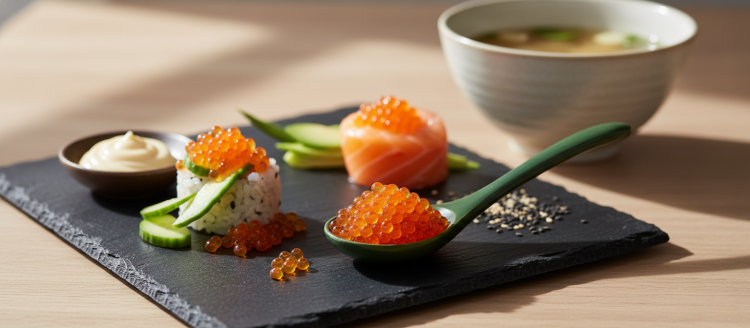
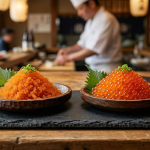
Those little orange eggs on your sushi roll? That’s masago.
You’ve been eating it for years – on California rolls, scattered across poke bowls, mixed into that creamy spicy sauce you can’t stop ordering. But if someone asked you what masago actually is, where it comes from, or why it’s on basically everything at a Japanese restaurant, you’d probably draw a blank.
Fair enough. Nobody explains it at the sushi bar.
Masago is the roe (eggs) of the capelin fish – a small, cold-water species from the smelt family that lives in the North Atlantic and Arctic Ocean. The name translates roughly to “sand” in Japanese, which makes sense once you see it: each egg is less than a millimeter across. Tiny, almost granular, and surprisingly flavorful for something that small.
But there’s a lot more going on with masago than what fits in a one-liner. This guide covers everything – from how it ends up on your plate, to whether it’s actually good for you, to the restaurant industry secret about what you’re really being served.
Where Masago Comes From
Masago is harvested from the capelin (Mallotus villosus), a forage fish that thrives in the frigid waters around Iceland, Norway, Greenland, and Canada. Capelin are small – about six to eight inches long – and they’re a critical link in the Arctic food chain. Cod, seabirds, seals, and whales all depend on them.
The fish themselves aren’t particularly sought after as food. About 80% of capelin catch goes into fishmeal and fish oil production. The remaining 20%? That’s where masago comes from.
Specifically, the eggs are harvested from female capelin before they spawn. Timing matters – the roe needs to be fully developed but not yet released. Once harvested, the eggs are processed, cured with salt, and typically dyed to give them that recognizable bright orange color you see at restaurants.
The natural color of masago is actually a muted, pale yellow-orange. Not exactly Instagram-ready, which is why processors use food-safe dyes to create the vivid orange, black (squid ink), red, and green varieties you’ll find on menus. The color is purely cosmetic – it doesn’t change the flavor.
What Does Masago Taste Like?
This is what most people actually want to know.
Masago tastes like a gentle wave of the ocean – mildly briny, slightly salty, with a clean finish that doesn’t linger or overpower. It’s not fishy. It’s not sharp. It’s closer to a seasoning than a standalone flavor, which is exactly why it works so well as a topping and garnish.
There’s no “pop” when you bite into masago. The eggs are too small and soft for that. What you get instead is a fine, grainy texture that dissolves against your palate, releasing that subtle brine as it goes. Think of it as background flavor – it adds depth and ocean-character to whatever it touches without demanding center stage.
If you’re comparing it mentally to caviar: masago is significantly milder, less intense, and less expensive. If you’re comparing it to tobiko (flying fish roe), which is the other orange egg you’ll see at sushi restaurants: masago is smaller, softer, and quieter on the palate. Tobiko pops. Masago blends.
Neither comparison is a knock against masago. It’s a different ingredient doing a different job – and it does that job really well.
Masago in Sushi – Why It’s on Everything
Walk into any sushi restaurant and count the rolls that include masago. It’ll be more than you expect.
California rolls are the most obvious example – masago coats the outside of the rice, adding color, texture, and that subtle salinity. But it shows up in spicy tuna rolls, shrimp tempura rolls, rainbow rolls, and pretty much any inside-out roll where the chef wants a textural garnish on the exterior.
It’s also used inside rolls as a filling component, mixed into spicy mayo for drizzle sauces, and placed on top of nigiri as a finishing touch. For a closer look at how masago specifically functions in sushi, our guide on what masago is in sushi goes deeper into the topic.
Why is it so popular in sushi? Three reasons:
It’s functional. Masago adds texture variation to a bite that might otherwise be just rice, fish, and nori. That granular quality gives your palate something extra to register – it’s subtle, but it makes a difference.
It’s visual. A roll coated in bright orange masago looks more finished, more professional, more appetizing than the same roll without it. Presentation matters in Japanese cuisine, and masago does a lot of visual work for very little cost.
It’s affordable. Compared to tobiko or ikura (salmon roe), masago is significantly cheaper. A restaurant can use it generously without blowing up food costs – which is why it’s the default roe on most menu items unless a roll specifically calls for something else.
Masago vs. Tobiko – The Comparison That Actually Matters
These two get mixed up constantly, and honestly, some restaurants contribute to the confusion by not being transparent about which one they’re serving.
Here’s what you need to know.
Masago comes from capelin. The eggs are very small (less than 1mm), soft, and have virtually no pop when you bite them. The flavor is mild and gently briny. The texture is fine and grainy. It’s the more affordable option – typically two to four times cheaper than tobiko at wholesale.
Tobiko comes from flying fish. The eggs are noticeably larger, rounder, and have a satisfying crunch when you bite into them. That little burst is one of the textural hallmarks of premium sushi. The flavor is bolder and slightly sweet. It looks more polished on a plate.
The industry reality? A number of restaurants substitute masago in dishes that would traditionally use tobiko. The visual difference is subtle enough that most diners don’t notice, and the flavor difference – while real – isn’t dramatic enough to trigger complaints. If a menu says “tobiko” but charges masago prices (or doesn’t specify), you might be getting masago.
If you want to know for sure: ask. Or just bite down. If the eggs pop, it’s tobiko. If they don’t, it’s masago. Simple as that.
For a deeper breakdown of how these two compare – including when to use each one at home – check out our full masago vs tobiko guide.
The Other Fish Roe You’ll See – Masago vs. Caviar vs. Ikura vs. Tamago
Masago isn’t the only roe on the menu, and knowing the differences helps you order smarter.
Masago vs. Caviar: Caviar comes from sturgeon – a completely different (and much more expensive) fish. Sturgeon roe is larger, softer, and far more complex in flavor. True caviar is a luxury product with luxury pricing. Masago is an everyday ingredient that costs a fraction of what caviar does. They serve completely different purposes.
Masago vs. Ikura: Ikura is salmon roe. The eggs are much larger – you can clearly see individual spheres, each one a bright reddish-orange. Ikura has a rich, buttery flavor and a distinct pop. It’s often served as nigiri (roe on rice) or in a gunkan maki (seaweed wrapped around rice with roe spooned on top). Masago would never be served this way because the eggs are too small to be the focal point.
Masago vs. Tamago: This one trips people up because the names sound vaguely similar. Tamago is a Japanese-style omelet – eggs, but the chicken kind, sweetened with sugar and mirin, cooked in a rectangular pan. It has nothing to do with fish roe. The two do pair nicely though – the sweetness of tamago against the saltiness of masago makes for a solid flavor contrast on a sushi plate.
Masago Nutrition – What’s Actually In It?
For something this small, masago carries a surprisingly solid nutritional profile.
Per tablespoon (approximately 16g) of masago:
- Calories: ~40
- Protein: ~4g
- Fat: ~2g (primarily omega-3 fatty acids – EPA and DHA)
- Carbohydrates: minimal
- Vitamin B12: roughly 47% of your daily value
- Selenium: significant source
- Sodium: ~240mg (this is the one to watch)
A few things stand out here.
The protein density is real. Four grams of protein per tablespoon – in something you’re using as a garnish – is genuinely impressive. Two tablespoons of masago deliver about 6 grams of protein, roughly the same as a medium chicken egg.
Omega-3 fatty acids are the big nutritional win. Masago is rich in EPA and DHA, the two omega-3s most associated with heart health, brain function, and reduced inflammation. Fish roe in general is one of the best dietary sources of these fats, and masago is no exception.
Vitamin B12 is unusually high. B12 is essential for energy production, nerve function, and red blood cell formation. A single tablespoon of masago gives you nearly half your daily requirement. That’s significant for such a small serving.
Selenium is a bonus. Selenium supports your immune system, thyroid function, and acts as an antioxidant. Masago provides a meaningful dose.
The sodium is the trade-off. Masago is cured and salted during processing, and it’s often mixed with soy sauce or other salty ingredients before it reaches you. If you’re watching your sodium intake, be conscious of how much you’re eating – especially across multiple sushi rolls in one sitting. In small portions (a tablespoon or two), the sodium is manageable. In larger quantities, it adds up quickly.
Mercury is low. This is worth noting because it’s a common concern with seafood. Capelin is a small forage fish, and small fish accumulate far less mercury than larger predators like mackerel or swordfish. Research shows that fish roe tends to have even lower mercury levels than the fish’s muscle tissue. This makes masago one of the safer seafood choices if mercury exposure is something you think about.
Health Benefits of Masago
Based on the nutritional profile above, masago offers several evidence-supported health benefits when consumed as part of a balanced diet.
Heart health. The omega-3 fatty acids in masago help regulate inflammation, support healthy blood clotting, and protect artery walls. Studies consistently link higher dietary omega-3 intake with lower risk of heart disease, heart failure, and coronary artery disease.
Brain and cognitive function. DHA – one of the two primary omega-3s in masago – is a structural component of brain tissue. Adequate DHA intake supports memory, focus, and long-term cognitive health.
Energy and nerve function. The high vitamin B12 content supports energy production and healthy nerve signaling. B12 deficiency causes fatigue and can lead to anemia – a small serving of masago is one of the easiest ways to top up your levels.
Immune support. Selenium acts as an antioxidant, protecting cells from oxidative damage and supporting immune function. Combined with the anti-inflammatory effects of omega-3s, masago contributes to overall immune resilience.
Muscle repair and weight management. Masago is high in protein relative to its calorie count. Protein-rich foods support muscle repair and help manage appetite – research shows that higher-protein diets reduce cravings, particularly late at night.
A quick reality check: masago isn’t a superfood. It’s a small-serving ingredient. You’re not going to transform your health by eating it. But as a consistent part of your diet, it contributes meaningful nutrients in a format that’s easy to incorporate – especially if you’re already eating sushi, poke, or rice bowls regularly.
Potential Downsides and Things to Watch
No ingredient is perfect, and masago has a few considerations worth knowing about.
Sodium content. Already covered above, but worth repeating. Masago is salty by nature and by processing. If you have high blood pressure or are managing your sodium intake for any reason, portion awareness matters.
Additives in processed masago. Some commercially packaged masago includes additives like MSG, high fructose corn syrup, or artificial coloring beyond simple food dyes. Check labels when buying for home use. The fewer ingredients, the better.
Allergies. Masago is a seafood product. People with fish or shellfish allergies should avoid it. There are also reports of allergic reactions in people who weren’t previously aware of a seafood sensitivity – the protein vitellogenin in fish eggs can trigger responses in some individuals. If it’s your first time trying masago, start with a small amount.
Pregnancy considerations. This is an area where you’ll find mixed guidance. Masago is cured and salted (not raw in the traditional sense), and the mercury content is low. However, most health guidelines still recommend caution with fish roe during pregnancy due to potential bacterial and parasitic concerns. The FDA’s guidelines on safe seafood consumption are a good starting point, but talk to your doctor for personalized advice.
How to Use Masago at Home
Masago is one of those ingredients that looks like it belongs in a restaurant kitchen but is actually dead simple to use at home. Once you have a jar in your fridge, you’ll start finding excuses to put it on things.
On sushi and rolls. The obvious use. If you’re making homemade sushi, masago coats the outside of inside-out rolls beautifully. Spread a thin layer on the rice before rolling, and you’ll get that restaurant finish.
In poke bowls. A spoonful of masago on top of a poke bowl adds color, salinity, and texture that makes the whole thing feel more complete. This is the easiest place to start if you’ve never cooked with masago before.
On rice bowls. A scoop of masago over steamed rice with a drizzle of soy sauce and a few slices of avocado makes a lunch that takes five minutes and tastes like you put in way more effort.
On avocado toast. Yes, seriously. Masago on avocado toast with a squeeze of lemon and a sprinkle of everything-bagel seasoning is genuinely good. Salty, creamy, crunchy, a little unexpected. Try it once.
Mixed into spicy mayo (masago sauce). This is the move. Combine masago with Japanese mayo (Kewpie), a squeeze of lime, and a hit of sriracha. That creamy, briny, slightly spicy sauce is what restaurants drizzle on half their menu – and it takes two minutes to make at home. We’ve got the full recipe and variations in our masago sauce guide.
On eggs. Scrambled eggs, deviled eggs, fried eggs over rice – masago as a garnish on any egg dish adds a pop of color and a salty, ocean-tinged contrast that works surprisingly well. High-end brunch spots have been doing this for years.
In pasta. Toss masago into a simple cream sauce or olive oil-based pasta right before serving. It adds brine and texture without needing to cook. Think of it like a Japanese-inflected finishing salt.
On raw oysters. A small spoonful of masago on a fresh oyster, with a squeeze of lemon – it’s a simple garnish that adds textural interest and a layered ocean flavor.
Where to Buy Masago
You don’t need a specialty connection. Masago is widely available.
Japanese and Asian grocery stores are your most reliable bet. Look in the freezer section – it usually comes in small jars or sealed plastic containers, already seasoned and dyed. H Mart, Mitsuwa, 99 Ranch, and similar chains stock it regularly.
Whole Foods and specialty seafood markets carry it in many locations, though availability varies by region.
Mainstream supermarkets are catching up. More chains are stocking masago in the international or seafood section, particularly stores with larger Asian food selections.
Online retailers work well if local options are limited. Japanese food import sites ship masago frozen, and it arrives in good condition if packed properly.
Price expectation: A standard jar (about 2-4 oz) typically runs $5-$12 depending on quality, source, and where you’re buying. That jar will last you multiple meals – masago is used in small amounts.
Storage rules: Keep it frozen until you’re ready to use it. Once opened, refrigerate and use within three to four days. The FDA recommends proper freezing for all seafood products, and masago is no exception. Don’t crack the jar open unless you actually plan to use it.
Sustainability – Something Worth Thinking About
Capelin is a forage fish – a foundational species that many larger marine animals depend on. When capelin populations decline, the ripple effects hit cod, seabirds, seals, and whales.
The reality is that capelin stocks have faced strain in certain regions. The Department of Fisheries and Oceans has documented significant population declines in some areas, attributed to a mix of environmental factors and fishing pressure. The fact that masago is harvested specifically from egg-bearing females – removing both the adult fish and the next generation of offspring – compounds the concern.
If sourcing matters to you, look for masago from fisheries certified by the Marine Stewardship Council (MSC). Iceland-sourced masago is generally considered more sustainable due to tighter fishing regulations. Canadian sources also tend to be better managed than some alternatives.
It’s not always easy to verify sourcing at the retail level, but asking at your local fish market or checking labels for MSC certification is a reasonable starting point.
Masago Colors – What the Different Dyes Mean
Walk into a well-stocked sushi restaurant and you might see masago in four different colors. Here’s what’s going on.
Orange (most common). This is the default masago color – dyed to be brighter and more vivid than the natural pale yellow. Orange masago is the standard garnish for California rolls and most sushi applications.
Black. Dyed with squid ink. Used primarily for visual contrast – black masago on light-colored rolls or on top of white rice creates a striking presentation. The squid ink adds a very faint additional savory note, but it’s subtle.
Red. Dyed with beet juice or food-safe red coloring. Used for visual variety and festive presentations. Flavor is the same as orange masago.
Green. Dyed with wasabi or food-safe green coloring. When wasabi is used, the masago picks up a mild heat and a sharper bite. When it’s just dye, the flavor stays neutral.
Regardless of color, the underlying product is the same capelin roe. Color is presentation – not quality, not flavor, not freshness.
Frequently Asked Questions
What does “masago” mean in Japanese? The word roughly translates to “sand” – a reference to the tiny, grain-like size of the eggs. Each egg is less than a millimeter across.
Is masago raw? Masago is not technically raw. It’s cured and salted during processing, which preserves it and makes it safe to eat directly from the jar without cooking.
Is masago safe during pregnancy? Most health guidelines recommend caution with fish roe during pregnancy due to potential bacteria. The mercury risk is low since capelin is a small fish, but consult your doctor for personalized guidance.
Is masago gluten-free? Pure masago is gluten-free. However, some processed varieties include soy sauce (which may contain wheat) or other additives. Always check the ingredient label if gluten is a concern.
Is masago vegan or vegetarian? No. Masago is fish eggs and is not suitable for vegan or vegetarian diets.
How many calories are in masago? Approximately 40 calories per tablespoon (16g). It’s a low-calorie, nutrient-dense ingredient.
Why is masago dyed? Natural masago is a pale, muted yellow-orange. Processors dye it brighter colors (orange, black, red, green) purely for visual appeal. The flavor stays the same regardless of color.
Can I eat masago by itself? You can, though it’s typically used as a topping or ingredient rather than eaten solo. A small spoonful straight from the jar is perfectly fine – it’ll taste salty and mildly briny.
How long does masago last after opening? Refrigerate after opening and use within 3-4 days. Keep it frozen until you’re ready to open it.
Is masago the same as caviar? No. Caviar comes from sturgeon fish and is a luxury product. Masago comes from capelin and is far more affordable. The flavor profiles are different – caviar is richer and more complex; masago is milder and subtler.
What’s the orange stuff on the outside of sushi rolls? That’s almost certainly masago – capelin fish roe. It’s used to coat the rice on inside-out rolls for texture and visual appeal. Our guide on what masago is in sushi explains exactly how and why chefs use it.
Where is masago harvested? Primarily from waters around Iceland, Norway, Greenland, and Canada – wherever capelin populations are found in the North Atlantic and Arctic Ocean.
Can I freeze masago? Yes. Masago stores well in the freezer and should be kept frozen until you’re ready to use it. Thaw in the refrigerator before opening.
What is masago in poke? The same thing it is everywhere else – capelin fish roe. In poke bowls, it’s added as a topping for texture, color, and a mild briny flavor.
What’s the difference between masago and tobiko? Masago comes from capelin and is smaller, softer, and milder. Tobiko comes from flying fish and is larger with a noticeable pop. We break it down fully in our masago vs tobiko comparison.
How do I make masago sauce at home? Mix masago with Kewpie mayo, sriracha, and lime juice. Takes two minutes. Full recipe and variations are in our masago sauce guide.
Small things. Big flavor.