The Best Fluffy Pancakes recipe you will fall in love with. Full of tips and tricks to help you make the best pancakes.

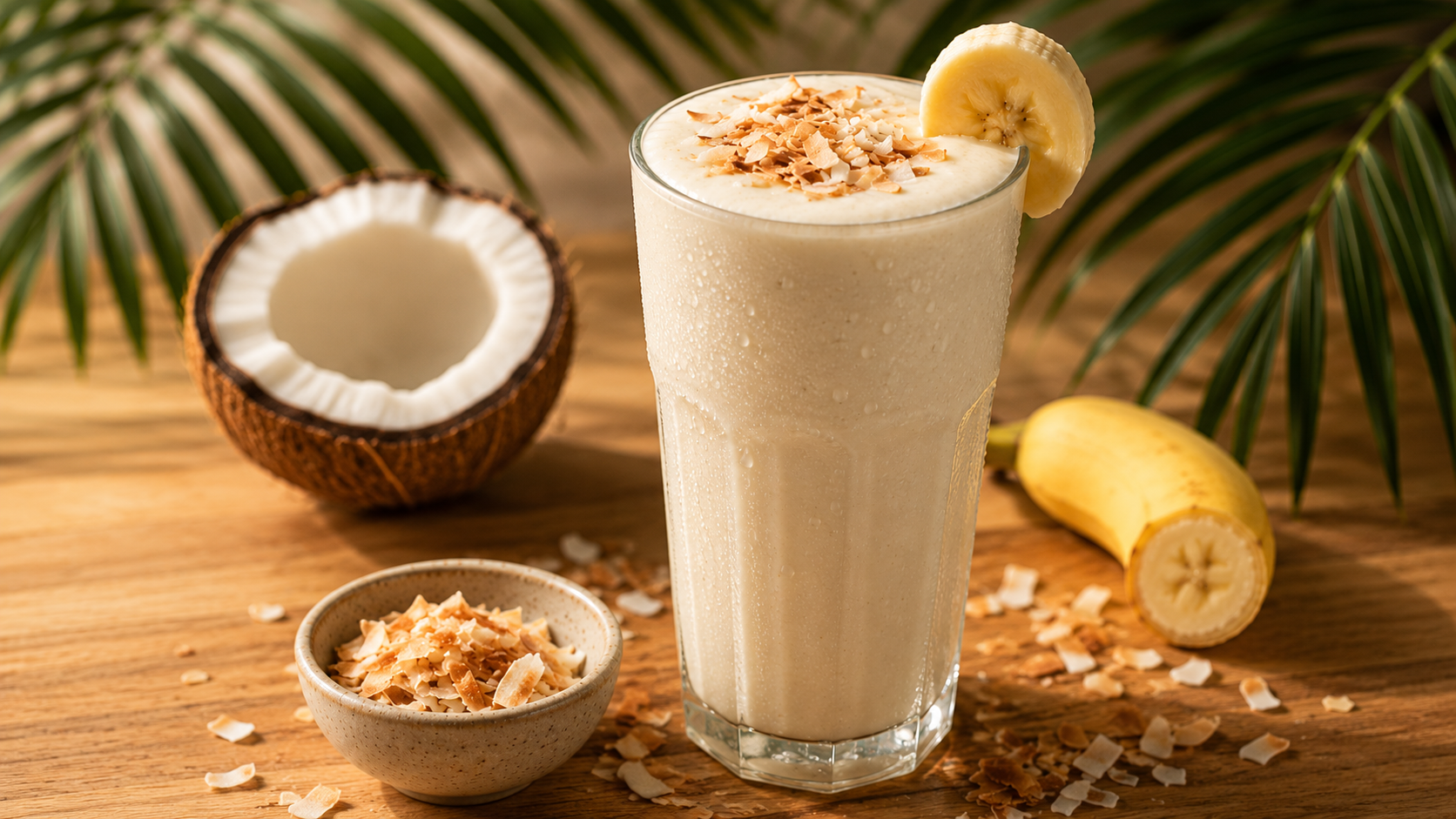
Some protein shakes taste like you’re doing something responsible but not enjoying it.
This one doesn’t.
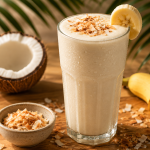
A coconut protein shake sits in a completely different category from the average chalky post-workout drink. The coconut – whether you use coconut milk, coconut cream, or shredded coconut – adds a natural richness and sweetness that makes the shake taste genuinely good rather than just functional. It’s thick, tropical, and satisfying in a way that keeps you full for hours without feeling heavy.
If you’ve been making the same vanilla or chocolate shake every morning and quietly wishing it tasted like something more interesting, this is the version worth switching to. Once you make it, the plain version starts to feel unnecessary.
Why Coconut Works So Well in a Protein Shake
Most protein shake bases – water, almond milk, regular milk – do a decent job of carrying the protein powder but don’t add much flavor of their own. Coconut is different. It brings actual flavor, natural fat, and a creaminess that makes the shake feel more like a real drink than a supplement you’re forcing down.
The fat in coconut also does something useful beyond taste. Coconut milk and coconut cream are rich in medium-chain triglycerides – MCTs – a type of fat that the body processes differently from long-chain fats found in most oils. MCTs are absorbed quickly and used for energy rather than being stored, which is part of why coconut-based foods tend to be satisfying without causing the sluggishness that comes from heavier fats. According to Medical News Today’s review of coconut milk research, MCTs found in coconut milk may support weight management and provide a clean, fast-burning energy source – which makes coconut a genuinely smart choice as a protein shake base beyond just the flavor benefit.
Combined with a good protein powder, you get a shake that covers fat, protein, and carbohydrates in one glass – close to a complete meal rather than just a supplement.
Coconut Milk vs Coconut Cream – What’s the Difference and Which to Use
This is the most common question when making a coconut protein shake, and the answer changes the entire character of the drink.
Coconut milk comes in two forms. Canned coconut milk is thick, rich, and high in fat – made by blending coconut flesh with water and straining it. It’s the kind used in curries and soups and it has a deep, full coconut flavor. Carton coconut milk (the kind sold as a dairy alternative in the refrigerated section) is much thinner, significantly lower in fat and calories, and has a lighter coconut flavor. For a protein shake, canned coconut milk produces a richer, more filling drink. Carton coconut milk produces something lighter and lower in calories.
Coconut cream is essentially concentrated coconut milk – less water, more coconut flesh, higher fat content. It’s thicker than canned coconut milk and noticeably richer. A coconut cream protein shake tastes almost dessert-like – indulgent, full-bodied, and deeply satisfying. It’s the right choice when you want a shake that genuinely replaces a meal rather than just being a snack.
Which to use:
- For a lighter, everyday shake – carton coconut milk
- For a standard creamy shake – canned coconut milk (light version if you prefer fewer calories)
- For a rich, meal-replacement shake – full-fat canned coconut milk or coconut cream
- For maximum coconut flavor with the most indulgent texture – coconut cream
All three work in the recipes below. The choice is about how rich and filling you want the result to be.
What You Need – Core Ingredients
Here’s what goes into a great coconut protein shake. Nothing unusual, nothing that requires a special trip anywhere.
Coconut base – Your choice of carton coconut milk, canned coconut milk (light or full-fat), or coconut cream depending on how rich you want the shake.
Protein powder – Vanilla works best here because it complements the coconut flavor without competing with it. Unflavored protein also works well and lets the coconut take center stage. Chocolate is a good choice if you want a mocha-coconut direction. For a fully dairy-free shake, use plant-based protein – pea protein has the most neutral flavor of the plant-based options.
Frozen banana – Not mandatory but strongly recommended. A frozen banana adds natural sweetness, thickness, and creaminess that makes the shake feel substantial rather than thin. It also helps bind the shake together so it doesn’t separate quickly.
Ice – Essential for a cold, thick consistency. Use a full cup for a milkshake-like texture.
Toasted coconut flakes – Optional but adds real texture and intensifies the coconut flavor. A tablespoon blended in and another sprinkled on top makes a noticeable difference.
Vanilla extract – A small splash deepens the overall flavor even if you’re already using vanilla protein powder.
A pinch of salt – This is the detail most people skip. Salt brings out sweetness in coconut and reduces any bitterness from the protein powder. A literal pinch – not a teaspoon – is all you need.
The Base Coconut Protein Shake Recipe
This is the version to start with. Simple, well-balanced, and genuinely delicious.
Makes: 1 large shake Time: 5 minutes
Ingredients:
- 1 cup canned coconut milk (light or full-fat) or carton coconut milk
- 1 scoop vanilla protein powder (25-30g)
- 1/2 frozen banana
- 1 cup ice
- 2 tablespoons toasted coconut flakes (optional)
- 1/2 teaspoon vanilla extract
- Pinch of salt
Method:
Add the coconut milk to the blender first – liquid always goes in before dry ingredients and frozen items to protect the blade and help everything blend smoothly. Add the protein powder, frozen banana, vanilla extract, and salt. Add the ice and coconut flakes last.
Blend on high for 30 to 45 seconds until completely smooth. If the shake is thicker than you want, add a splash more coconut milk and blend for another ten seconds. If it’s thinner than you want, add a few more ice cubes.
Taste before pouring. Needs more sweetness? Half a teaspoon of honey or maple syrup. Needs more coconut flavor? A few extra coconut flakes blended in. Needs more body? Another half banana.
Pour immediately and drink fresh. Coconut protein shakes separate quickly – faster than dairy-based shakes – so drink within 20 to 30 minutes for the best texture.
Coconut Cream Protein Shake
This is the richer, more indulgent version. Think coconut cream pie in a glass, but with 25 grams of protein and no guilt about it.
Ingredients:
- 1/2 cup coconut cream (from a chilled can – scoop the thick cream from the top)
- 1/2 cup water or unsweetened almond milk
- 1 scoop vanilla protein powder
- 1/2 frozen banana
- 1 tablespoon toasted coconut flakes
- 1/2 teaspoon vanilla extract
- 1 cup ice
- Pinch of salt
Method:
Blend everything together on high until smooth. The coconut cream gives this shake a noticeably thicker, richer texture than the standard version – almost like a smoothie bowl in a glass.
One tip for coconut cream: chill the can in the refrigerator overnight before opening. The cream solidifies at the top and separates from the liquid, making it easy to scoop out just the thick portion. This gives you maximum richness without adding the thinner liquid coconut water that sits beneath it.
This version is higher in calories than the standard recipe – expect around 400 to 450 calories per shake depending on your protein powder – which makes it genuinely suitable as a meal replacement rather than a snack.
Coconut Milk Protein Shake Variations
Once the base recipe is familiar, these variations are all worth making. Each takes the coconut foundation in a different direction.
Chocolate Coconut Shake Add one tablespoon of unsweetened cocoa powder to the base recipe and swap vanilla protein powder for chocolate. The combination of chocolate and coconut is one of the best flavor pairings in baking – it works just as well in a shake. Rich, slightly bitter from the cocoa, sweet from the banana and coconut. Add a few dark chocolate chips on top if you want to feel like you’re eating dessert for breakfast.
Tropical Coconut Protein Shake Replace the frozen banana with half a cup of frozen mango and add a quarter cup of frozen pineapple. Use carton coconut milk for a lighter base. The result tastes like a pina colada with protein in it – bright, citrusy, and refreshing in a way the standard shake isn’t. Good for warm weather or anyone who prefers fruit-forward flavors over rich and creamy.
Peanut Butter Coconut Shake Add one tablespoon of natural peanut butter to the base recipe. Peanut butter and coconut is a combination that shouldn’t work as well as it does. The nuttiness and the sweetness of the coconut play off each other and the peanut butter adds another layer of protein and fat that makes the shake one of the most filling versions on this list. Use chocolate protein powder for the best result.
Low-Calorie Coconut Protein Shake Use carton coconut milk instead of canned, skip the banana, and use unflavored or vanilla protein powder with a small amount of honey for sweetness. Add extra ice for thickness. This version comes in around 200 to 250 calories depending on the protein powder and gives you the coconut flavor with a lighter overall footprint – good for anyone using the shake as a snack rather than a full meal.
Chia Coconut Protein Shake Add one tablespoon of chia seeds to the base recipe before blending. Chia seeds add fiber, omega-3 fats, and additional protein while thickening the shake naturally. The texture becomes slightly denser – more smoothie bowl than drink – which some people prefer. Let the blended shake sit for two minutes before drinking to let the chia seeds fully hydrate and thicken the mixture.
Getting the Coconut Flavor Right
The thing that makes a coconut protein shake genuinely good rather than just coconut-adjacent comes down to a few small decisions.
Use full-fat coconut milk or coconut cream for real coconut flavor. The lite versions and carton versions have significantly less coconut fat, which is where most of the flavor lives. If coconut flavor is the whole point of the shake, use the full-fat canned version at least some of the time.
Toast the coconut flakes. Raw coconut flakes taste mild and slightly waxy. Toasted coconut flakes taste deeply coconutty, slightly caramelized, and add a warm nuttiness that raw flakes don’t have. Spread them on a dry pan over medium heat for two to three minutes, stirring constantly, until they turn golden. Let them cool before adding to the blender or using as a topping.
Don’t overload with other strong flavors. Coconut is a delicate flavor that gets easily buried under too much cocoa, too much peanut butter, or too much spice. In the chocolate and peanut butter variations, use measured amounts rather than generous ones – you want the coconut to still come through underneath.
Use frozen banana rather than fresh. Frozen banana adds cold temperature, thickness, and a creaminess that fresh banana doesn’t produce in a blender. It also has a slightly more intense banana flavor once frozen, which balances the coconut without overpowering it.
Is a Coconut Protein Shake Good for You?
The honest answer: yes, with some awareness of the calorie and fat content.
Coconut milk and coconut cream are high in saturated fat – higher than most other shake bases. A full cup of canned full-fat coconut milk contains around 45 to 57 grams of fat. That’s substantial. The MCTs in that fat are processed more efficiently by the body than other saturated fats, but the calorie total is real and worth knowing if you’re managing your intake.
For the protein side of the equation, a good quality protein powder adds 20 to 30 grams of complete protein per shake – genuinely useful for muscle maintenance, satiety, and hitting daily protein targets. Combined with the healthy fats from coconut and the fiber and potassium from banana, a coconut protein shake is a nutritionally solid choice as an occasional meal replacement or post-workout recovery drink.
Using carton coconut milk instead of canned brings the fat and calorie content down dramatically while keeping the coconut flavor, which is a useful adjustment for anyone making this daily.
Storage and Prep Tips
Make it fresh. Coconut protein shakes are best drunk immediately after blending. The fat in coconut separates from the liquid faster than dairy, which means a shake left in the fridge for a few hours will be partially separated when you come back to it. A quick stir or shake in a sealed jar can reintegrate it, but the texture is never quite as good as fresh.
Prep the frozen banana ahead. Peel ripe bananas, cut them in half, and store them in a zip-lock bag in the freezer. This way you always have frozen banana ready for a shake without having to think about it the night before.
Make a smoothie pack. Portion the non-liquid ingredients – banana, coconut flakes, protein powder, and any add-ins – into individual freezer bags. In the morning, tip the bag into the blender, add the coconut milk, and blend. It takes the measuring out of the weekday morning routine completely.
Frequently Asked Questions
What is the difference between using coconut milk and coconut cream in a protein shake?
Coconut cream is thicker, richer, and higher in fat than coconut milk. A coconut cream protein shake is more indulgent, higher in calories, and closer to a meal replacement in terms of satiety. Coconut milk produces a lighter result. Within coconut milk itself, canned versions are richer than carton versions – which are diluted significantly and better suited to a lighter everyday shake.
Is a coconut protein shake good for weight loss?
It can be, depending on the ingredients. Full-fat coconut milk is high in calories, so using a light canned version or carton coconut milk keeps the calorie count in a more useful range. The protein content supports satiety and muscle maintenance, both of which support long-term weight management. The key is using the shake as a meal replacement rather than an add-on to your existing meals.
Can I make a coconut protein shake without banana?
Yes. The banana adds sweetness, creaminess, and thickness but isn’t essential. Without it, use extra ice for thickness and a small amount of honey or maple syrup for sweetness. Frozen cauliflower florets are a surprisingly good banana substitute – they add creaminess without any detectable flavor, though the idea sounds strange until you try it.
What protein powder works best with coconut milk?
Vanilla whey blends most smoothly and pairs naturally with coconut flavor. Unflavored protein lets the coconut take the lead. For plant-based options, pea protein has the most neutral flavor and works well. Avoid strongly flavored protein powders that compete with the coconut – overly sweet or artificial-tasting protein powders tend to overwhelm the natural coconut flavor that makes this shake worth making.
Can I use coconut water instead of coconut milk?
Yes, but the result is significantly lighter and has less coconut flavor. Coconut water is mostly water with a faint coconut taste and natural electrolytes. It makes for a refreshing, hydrating shake but doesn’t have the richness of coconut milk or coconut cream. Good for a lighter post-workout option, less good if the coconut flavor is what you’re after.
Is a coconut protein shake dairy-free?
The coconut base is completely dairy-free. Whether the full shake is dairy-free depends on the protein powder – whey protein is derived from milk and is not dairy-free. For a fully dairy-free coconut protein shake, use a plant-based protein powder such as pea, rice, or hemp protein. All work well with coconut milk.
How many calories are in a coconut protein shake?
It varies significantly based on the coconut base used. A shake made with carton coconut milk, one scoop of vanilla protein powder, half a frozen banana, and ice is approximately 250 to 300 calories. The same shake made with full-fat canned coconut milk is closer to 450 to 500 calories. Coconut cream bumps it higher still – around 500 to 550 calories for a full meal-replacement shake.
Looking for more simple recipes that make mornings easier and taste genuinely good? Browse the cooking section at Masago for ideas built around real ingredients and honest results.