The Best Fluffy Pancakes recipe you will fall in love with. Full of tips and tricks to help you make the best pancakes.

You’ve eaten masago sushi. Almost certainly. Multiple times.
You just didn’t know that’s what it was called.
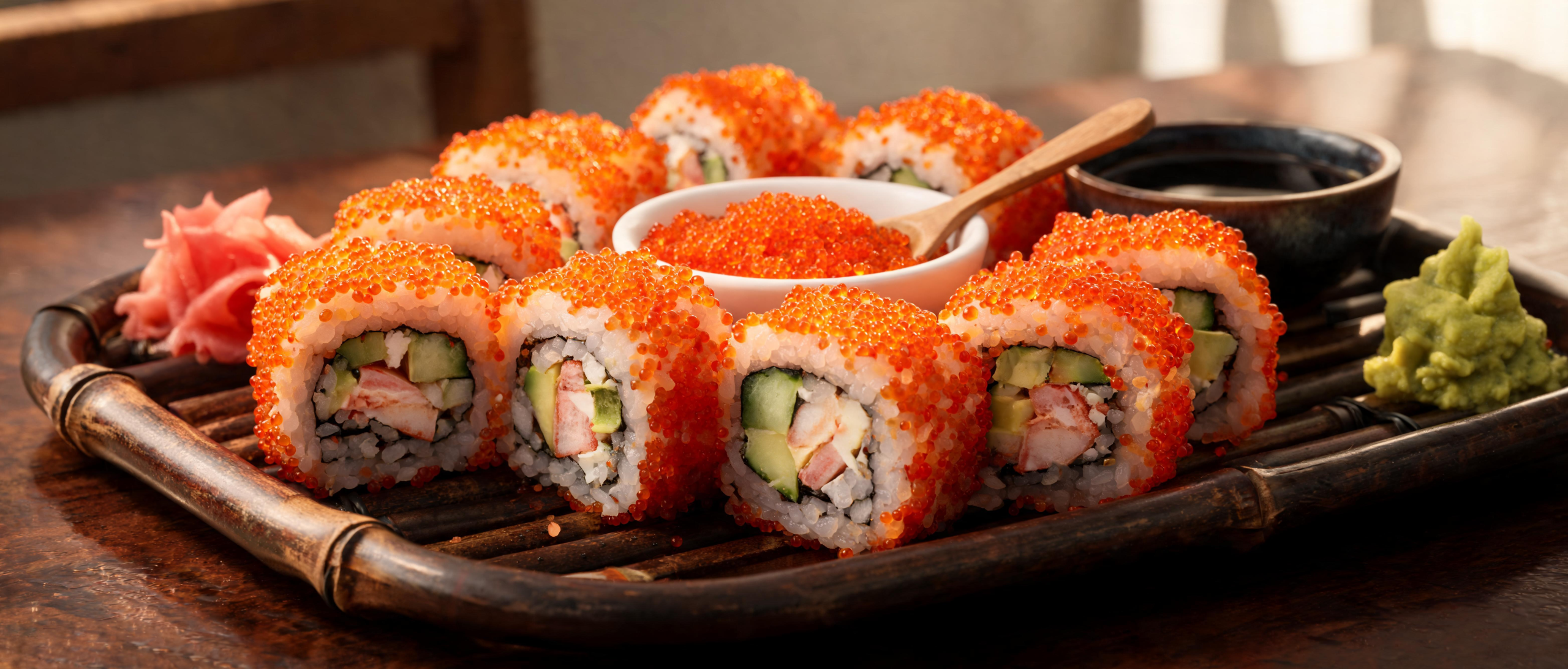
Those tiny orange beads coating the outside of a California roll. The bright cluster sitting on top of a spicy tuna cone. The pale orange speckling across a rainbow roll that you assumed was just decoration. That’s masago. It’s been on your plate at every sushi restaurant you’ve ever sat down in, doing quiet, consistent work without ever once introducing itself.
Most people finish an entire sushi dinner without knowing masago exists as a named ingredient. That’s a reasonable enough way to go through life – right up until you want to understand what you’re eating, make it at home, or actually have an opinion at the sushi bar.
Here’s everything you need to know.
What Masago Actually Is
Masago is the roe – the eggs – of the capelin fish. Capelin (Mallotus villosus) is a small cold-water fish from the smelt family, found in the North Atlantic and Arctic Ocean. The fish itself is mostly unremarkable. Its eggs are another story.
Each masago egg is less than a millimeter across. Fine, almost granular. Which is exactly why the Japanese word masago translates to “sand.” That name isn’t poetic. It’s descriptive. When you see a cluster of them coating a roll, the resemblance to fine beach sand is immediate and obvious.
In their natural state, the eggs are pale yellowish-orange. What you see on most sushi menus has been dyed. Bright orange is the standard, though black, red, and green versions exist at restaurants that like to play with color. The dye is aesthetic. The flavor doesn’t change with the color.
It’s cured – salted and processed before it reaches the kitchen – which means it’s safe to eat directly off the plate without further cooking. Same food-safety logic as sashimi. Different ingredient entirely.
For the full origin story on where masago comes from and what it tastes like on its own, our complete guide to what masago is covers all of it.
What Masago Tastes Like in Sushi
On its own: mild. A soft, clean brininess. A gentle ocean note. Nothing sharp, nothing aggressive, nothing that announces itself and demands your attention.
In sushi: essential.
That distinction matters. Masago isn’t an ingredient you notice when it’s there. It’s an ingredient you notice when it’s gone. The outside of a California roll without masago tastes flat. The rice is too neutral on its own, and the filling needs something on the perimeter to pull the bite together. Masago provides that. A gentle saltiness, a subtle texture contrast, a coating that makes the whole thing taste more finished.
The texture is fine and slightly grainy against the palate. No dramatic pop the way tobiko delivers. No gooey richness like ikura. Just a soft, accumulative texture that works by volume rather than individual impact. Hundreds of tiny things working together instead of one thing making a statement.
That’s the point. Masago in sushi is architecture, not garnish.
Every Way Masago Appears on a Sushi Menu
Once you start looking for it, masago turns up constantly. Here’s every format you’ll encounter it in.
California Roll The most common place most people have eaten masago without knowing it. A standard California roll – crab or imitation crab, avocado, cucumber, rice on the outside – is almost always coated in masago before it’s cut. The orange exterior is masago pressed into the rice. That’s the whole thing. The roll you’ve ordered a hundred times has had masago in it every single time.
Spicy Tuna Roll Two places masago can show up here. Either coating the outside of the rice, same as the California roll, or mixed directly into the spicy tuna filling itself – tuna, spicy mayo, and masago combined before rolling. The second version adds texture to the filling rather than the exterior and gives each bite a more complex mouthfeel.
Rainbow Roll A California roll base topped with alternating slices of fish and avocado across the top. Masago typically coats the rice exterior underneath all of that. It’s doing structural work that most people eating the roll never think about.
Volcano Roll Masago is a key ingredient in the “lava” topping that gives this roll its name. Mixed with spicy mayo and sometimes other ingredients, then spooned over the top of the roll, it creates the cascading orange effect that photographs well and tastes better than it has any right to.
Gunkan-Maki (Battleship Sushi) This is where masago gets its own moment. A small mound of sushi rice wrapped in a nori strip, forming a little cup, then filled generously with masago. No fish slice sharing the spotlight. Just the roe, the rice, and the nori. Often a raw quail egg gets cracked over the top, which is the combination that changes people’s minds about masago entirely. Our full guide to masago sashimi covers this format in detail.
Masago Nigiri Similar to gunkan but without the nori wrap. Rice pressed by hand into an oblong mound, masago placed directly on top. Clean, minimal, and one of the better-value items on any sushi menu that carries it. It’s the format where the ingredient’s flavor and texture get the most unobstructed expression.
Hand Rolls (Temaki) Masago frequently appears inside hand rolls, either mixed into the filling or as a textural layer between the rice and the other ingredients. In a spicy crab hand roll, it’s almost always present.
Chirashi The scattered sushi bowl. A base of seasoned sushi rice topped with a range of fish and seafood arranged across the surface. Masago is a common addition here, either clustered in one area or scattered lightly across the whole bowl. At restaurants that do chirashi well, the masago placement is deliberate. It adds visual rhythm and textural contrast across the whole thing.
As a Garnish on Nigiri A small cluster of masago placed on top of a piece of salmon, tuna, or yellowtail nigiri. Not the main ingredient. Just a finishing touch that adds salt and texture to the top of the bite. It knows its role.
Masago Colors at the Sushi Bar
If you’ve ever seen what looked like black, red, or green fish eggs on a sushi menu and assumed it was a different ingredient, it may well have been masago in a different dye.
Orange masago is the default. The one you’ve been eating your whole life. Mild, briny, subtly sweet. Dyed to the bright orange you recognize.
Black masago is dyed with squid ink or food coloring. Looks dramatic against white rice. The taste is slightly earthier than orange but still mild overall. Often used in specialty rolls where the visual contrast matters.
Red masago is a deeper, more saturated orange-red. Sometimes dyed with beet-based coloring at higher-end restaurants, more commonly with food dye at casual spots. Same flavor profile as orange.
Green masago is often made with wasabi seasoning added during curing. The color comes with a heat note that the other varieties don’t have. The spice is mild but present. Worth trying if you see it listed.
The color tells you about dye and sometimes about added flavor. It doesn’t tell you about quality. Fresh masago in any color is the same ingredient underneath.
Masago vs. Tobiko vs. Ikura at the Sushi Bar
These three show up on menus together and get confused constantly. Here’s the actual difference.
Masago is capelin roe. Smallest, softest, mildest. No pop. Fine-grained texture. Most affordable. The one coating your California roll.
Tobiko is flying fish roe. Noticeably larger than masago. Distinct pop when you bite into it. Bolder, slightly sweet flavor. More expensive. The one worth ordering when you want texture to be the point. The full masago vs. tobiko breakdown explains why restaurants sometimes swap one for the other without telling you – and how to tell the difference on the plate.
Ikura is salmon roe. Large amber-orange pearls, unmistakable on sight. Soft, gooey interior, rich and buttery flavor, noticeably sweet. More expensive than both. Usually served gunkan-style because the pearls are too large to stay on plain rice.
None of these is a substitute for the others in any meaningful sense. They do different things. Understanding which is which makes you a better customer and a better home cook.
Making Masago Sushi at Home
It’s more approachable than it sounds. The rice is the thing that takes practice. The masago application is genuinely easy.
What you need:
- Short-grain Japanese sushi rice, seasoned with rice vinegar, sugar, and salt
- Nori sheets
- Masago – from the freezer section at a Japanese grocery store, Asian supermarket, or Whole Foods
- A bamboo rolling mat
- Your choice of filling – avocado, cucumber, crab, tuna, or whatever you prefer
Cook and season your sushi rice. Let it cool to room temperature – never warm, never cold from the fridge. Lay a sheet of plastic wrap over your rolling mat. Place the nori on top. Spread a thin, even layer of rice across the nori, leaving a border at the far edge for sealing.
Flip the whole thing over so the rice faces down onto the plastic. Add your filling in a line across the center of the nori. Roll it up tightly using the mat, applying even pressure. Once rolled, spread masago in a shallow dish and roll the sushi log through it, pressing lightly so it adheres to the rice. Cut into eight pieces with a sharp, wet knife.
The masago goes on before cutting, not after. Cutting through a masago-coated roll drags the roe cleanly through rather than scattering it.
For the sauce that ties everything together – masago mixed with Kewpie mayo, sriracha, and lime – our masago sauce guide has the full method and everything else you can put it on beyond sushi.
A Note on Nutrition
Masago’s contribution to a sushi roll is small by volume but genuinely solid. Protein, omega-3 fatty acids, vitamin B12, and selenium all show up in a tablespoon serving. Healthline’s full nutritional breakdown of masago covers the specifics. The short version is that it’s a nutrient-dense ingredient delivering real value in a small amount.
The one thing to track is sodium. Masago is salted during curing, and soy sauce adds more on top. Across a full sushi meal, it accumulates. Worth knowing if sodium is something you’re watching.
The Short Version
Masago sushi is everywhere. Every California roll you’ve ever ordered or spicy tuna cone. Every rainbow roll that arrived looking like something that took effort. The orange coating on the rice? That’s masago. It’s been there the whole time.
It tastes mild and briny. It adds texture without demanding attention and makes sushi taste more like itself. And once you start noticing it, you’ll notice it everywhere.
Small things. Big flavor.
FAQs
What is masago sushi?
Masago sushi refers to any sushi that uses masago – the tiny cured roe of the capelin fish – as an ingredient. This includes California rolls coated in masago, spicy tuna rolls with masago in the filling, gunkan-maki filled with masago, and masago nigiri. It’s one of the most widely used sushi ingredients in Western-style Japanese restaurants.
What does masago taste like in sushi?
Mild and briny with a soft, fine-grained texture. In sushi, it adds a subtle saltiness and texture to the exterior of rolls and the top of nigiri without competing with the other ingredients. It integrates rather than announces itself.
Is masago on every California roll?
Nearly every California roll served at a Western sushi restaurant includes masago coating the outside of the rice. It’s the orange exterior you see on the finished roll. Not all California rolls use it, but most do.
Is masago sushi safe to eat?
Yes. Masago is cured and salted during processing, which makes it safe to eat without cooking. It’s handled with the same food-safety standards as other sushi-grade ingredients. People with seafood allergies and pregnant women should exercise caution.
What’s the difference between masago and tobiko in sushi?
Masago is smaller, softer, and milder than tobiko. Tobiko has a noticeable pop when bitten, a bolder flavor, and a higher price point. Some restaurants substitute masago where tobiko is listed on the menu. The texture difference is the clearest way to tell them apart.
Can I make masago sushi at home?
Yes. Season short-grain sushi rice, roll with nori and your preferred filling, and coat the outside of the roll with masago before cutting. Masago is available at Japanese grocery stores, Asian supermarkets, and Whole Foods in the freezer section.
What color is masago on sushi?
Typically bright orange, though black, red, and green versions exist depending on the dye or seasoning used. The natural color of capelin roe is pale yellowish-orange. The dye is aesthetic and doesn’t affect flavor, except in the case of green wasabi masago, which carries mild heat.