The Best Fluffy Pancakes recipe you will fall in love with. Full of tips and tricks to help you make the best pancakes.


You searched for lopzassiccos food and got a dozen different answers. One site says it’s a Bulgarian fermented grain dish. Another calls it a Mexican corn pocket. A third describes it as a Southeast Asian superfruit. A fourth claims it’s a Mediterranean-Asian fusion restaurant chain with locations across the US. None of them agree on what it is, where it’s from, or what it costs – because none of them actually know.
Here’s the honest answer: lopzassiccos is not an established, documented food with a clear origin, a fixed recipe, or a verified price range. What you’re seeing in search results is a wave of AI-generated content targeting this keyword – pages filled with invented “facts,” contradictory origins, and placeholder text that was never meant to inform anyone. The real question worth answering is why this keeps happening, and what you might actually be looking for.
Why Every Lopzassiccos Article Contradicts Every Other One
This is the part most food sites won’t tell you. When a vague or unfamiliar search term starts getting traffic – whether from social media, a viral mention, or simple curiosity – content farms generate articles to capture that traffic before anyone establishes what the term actually means. The result is a search results page full of confident-sounding content that is entirely fabricated.
The lopzassiccos pages currently ranking are textbook examples. One describes “Grandma Anya from the Zassicco Valley” with detailed price breakdowns. Another lists it as a restaurant chain with entrees ranging from $15 to $45. Another gives a recipe with instructions like “add your chosen protein” – which is not a recipe, it’s a template with the details removed. Real food writing doesn’t have blanks where the facts should be.
The price figures being cited – anywhere from ₹250 to $45 per serving depending on which site you read – are invented. There is no verified market for lopzassiccos because there is no single agreed-upon product called lopzassiccos.
What You Might Actually Be Looking For
If you landed here genuinely curious about lopzassiccos, there are a few real possibilities worth exploring depending on what drew you to the term.
If you’re looking for a fermented grain dish with probiotic properties similar to what some sites describe, the real product closest to that description is kefir – a fermented milk drink with centuries of documented history in Eastern Europe and Central Asia – or boza, a fermented grain beverage common in Bulgaria and Turkey with genuine cultural roots and a documented taste profile. Both are real, both have verified health benefits, and both are actually available to buy.
If you were drawn to the Mexican street food description – corn-based pockets filled with meat and cheese – what you’re actually looking for is a gordita or a tlayuda, both of which are real traditional Mexican dishes with actual recipes, regional variations, and documented preparation methods. Gorditas are thick corn masa pockets filled with beans, cheese, or meat, fried or griddled until the outside is crisp and the inside stays soft. They’re sold by street vendors across Mexico for roughly 15 to 40 pesos each – an actual price based on actual markets.
If the fusion restaurant angle caught your attention – the Mediterranean-Asian concept some sites describe – that’s a real and growing category of dining in the US, just not one called lopzassiccos. Restaurants blending Japanese and Mediterranean techniques have appeared in New York, Los Angeles, and Miami over the past five years, and the food is genuinely interesting. The concept just doesn’t have the name being searched.
The Broader Problem With Fabricated Food Content
Lopzassiccos is not unique. Search terms like this appear regularly – words that sound plausible, accumulate search volume through curiosity or social sharing, and immediately attract content designed to rank rather than inform. The pattern is consistent: vague cultural origin, impressive-sounding health claims, price ranges wide enough to be technically unfalsifiable, and a recipe that could describe almost anything.
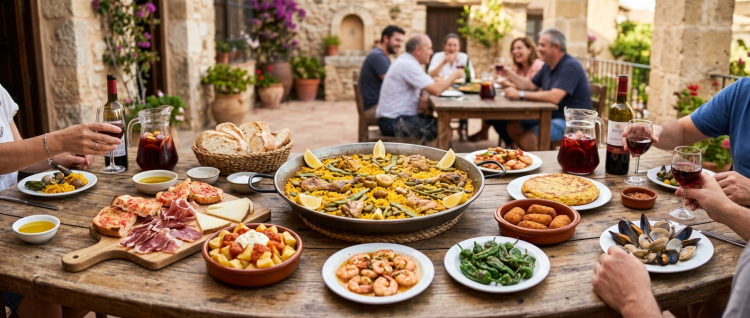
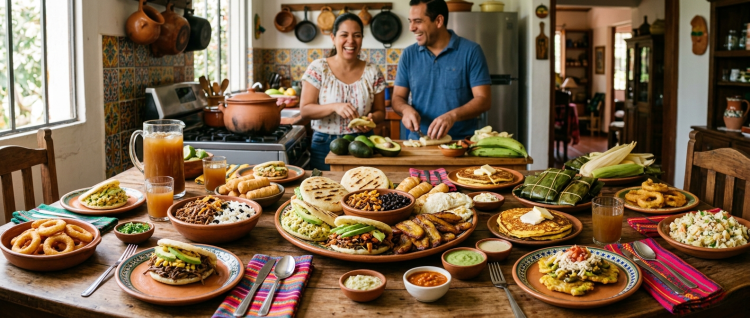
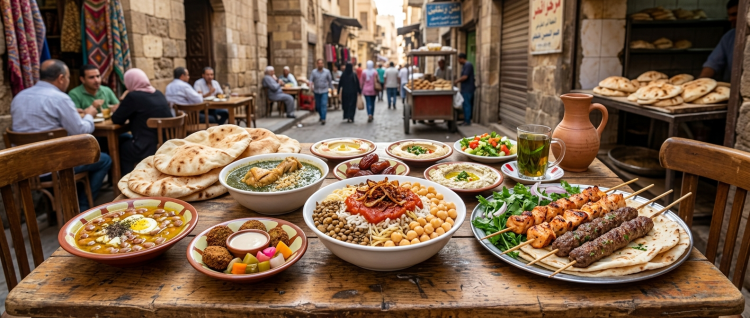
The damage this does to real food culture is worth naming. When invented dishes with invented origins flood search results, they crowd out genuine content about real cuisines with actual histories. Egyptian food has thousands of years of documented culinary tradition. Venezuelan food carries the cultural memory of a diaspora. Spanish cuisine represents one of the most regionally diverse food cultures on earth. None of that competes well against content farms producing fifty articles a day on terms no one can fact-check.
If you’re building a food knowledge base – whether for travel, cooking, or genuine curiosity – the most useful habit is checking whether the dish you’re reading about appears in sources with real editorial standards. Wikipedia’s food entries, Serious Eats, and the Oxford Companion to Food are reasonable starting points for verifying whether a food is real before you spend time reading about it.
If You’re Researching This as a Keyword
This section is for the content creators and SEO researchers who arrived here from a different angle – looking at lopzassiccos as a search opportunity rather than a food to eat.
The keyword has search volume precisely because people are curious and the results are unsatisfying. That’s actually the more interesting opportunity: a page that honestly explains why the search results are confusing will outperform fabricated content in the long run, because it gives readers something the other pages don’t – a real answer. Google’s Helpful Content system is specifically designed to reward pages that genuinely satisfy search intent over pages that exist only to capture traffic. An honest explainer on a confusing keyword is more durable than invented content on that same keyword.
The masago.blog approach to food content – real numbers, real origins, real sourcing – is exactly what distinguishes useful content from filler. It’s also what builds the kind of domain authority that compounds over time, while fabricated content quietly accumulates penalties.
For genuinely curious readers who want to explore real food traditions with the depth and honesty this site is known for, the guides on Egyptian food, Venezuelan cuisine, and Spanish dishes cover cuisines with thousands of years of actual history, real recipes, and verified cultural significance. That’s the kind of food content worth your time.
FAQs – Lopzassiccos Food
What is lopzassiccos food?
Lopzassiccos is not a verified or documented food with a confirmed origin, recipe, or cultural history. Search results for the term return contradictory descriptions – some sites call it a Bulgarian fermented grain dish, others a Mexican corn pocket, others a Southeast Asian fruit, and others a restaurant chain. These descriptions are generated content targeting the search term rather than factual food writing. No authoritative culinary source – including Wikipedia, Serious Eats, or the Oxford Companion to Food – documents lopzassiccos as a real dish.
Where does lopzassiccos come from?
There is no verified answer to this question because lopzassiccos does not have a confirmed origin. Different sites claim Eastern Europe, Mexico, and Southeast Asia as its origin – all three claims cannot be simultaneously true, and none are supported by any credible culinary source. If you’re looking for real dishes with similar descriptions, fermented grain dishes like boza originate in Bulgaria and Turkey, corn masa dishes like gorditas originate in Mexico, and both have documented histories and recipes.
What is the price of lopzassiccos food?
There is no verified price for lopzassiccos because it is not an established food product with a real market. Published price figures range from ₹250 to $45 per serving depending on the site – a range too wide to be useful and too vague to be sourced. These figures are invented. If you are looking for pricing on real dishes that lopzassiccos content describes, Mexican gorditas from street vendors cost approximately 15 to 40 pesos each, and fermented grain products like kefir typically range from $3 to $8 per liter at grocery stores in the US.
Where can I buy lopzassiccos?
Lopzassiccos cannot be reliably purchased because no consistent product by that name exists in verified retail or food service markets. Sites suggesting you buy it on Amazon, Etsy, or at specialty Eastern European grocery stores are directing you toward products that may have no relation to each other. If you’re looking for fermented grain foods, most health food stores carry kefir, kombucha, and similar products with documented probiotic benefits. If you’re looking for corn masa street food, Mexican grocery stores and taquerias carry gorditas and similar dishes.
Why do so many sites have different descriptions of lopzassiccos?
Because the content was generated to capture search traffic rather than describe a real food. When a vague search term accumulates volume, content farms produce articles targeting it before any authoritative source establishes what the term means. The result is contradictory, placeholder-heavy content that sounds authoritative but contains no verifiable facts. This pattern is increasingly common in food search results and is worth recognizing as a signal to look for more credible sources.
Is lopzassiccos worth trying?
There is no verified dish called lopzassiccos to try. If the descriptions you’ve read sound appealing – fermented and tangy, or corn-based and savory, or fruit-forward and sweet – those flavor profiles exist in real, documented foods worth exploring. Boza for the fermented grain angle, gorditas or pupusas for the corn masa angle, and loquats for the Southeast Asian fruit angle are all real products with genuine culinary traditions behind them.