The Best Fluffy Pancakes recipe you will fall in love with. Full of tips and tricks to help you make the best pancakes.

Here’s exactly what it is, how it tastes, and how to use it at home.
If you’ve ever ordered a California roll and noticed those little orange beads coating the outside of the rice – that’s masago. And there’s a decent chance you’ve eaten it dozens of times without once thinking about what it actually is.
So let’s talk about it. Because what is masago, exactly? The answer is way more interesting than “tiny orange stuff on sushi.”
Masago Is Capelin Roe – Here’s What That Means
Masago is the roe (fish eggs) of the capelin, a small cold-water fish that belongs to the smelt family. Its scientific name is Mallotus villosus, and it spends its life swimming through the icy waters of the North Atlantic and Arctic Ocean.
The eggs are harvested before the fish spawn. The word “masago” roughly translates to “sand” in Japanese – which tells you everything you need to know about the size. Each egg is less than a millimeter across. Tiny doesn’t mean tasteless, though.
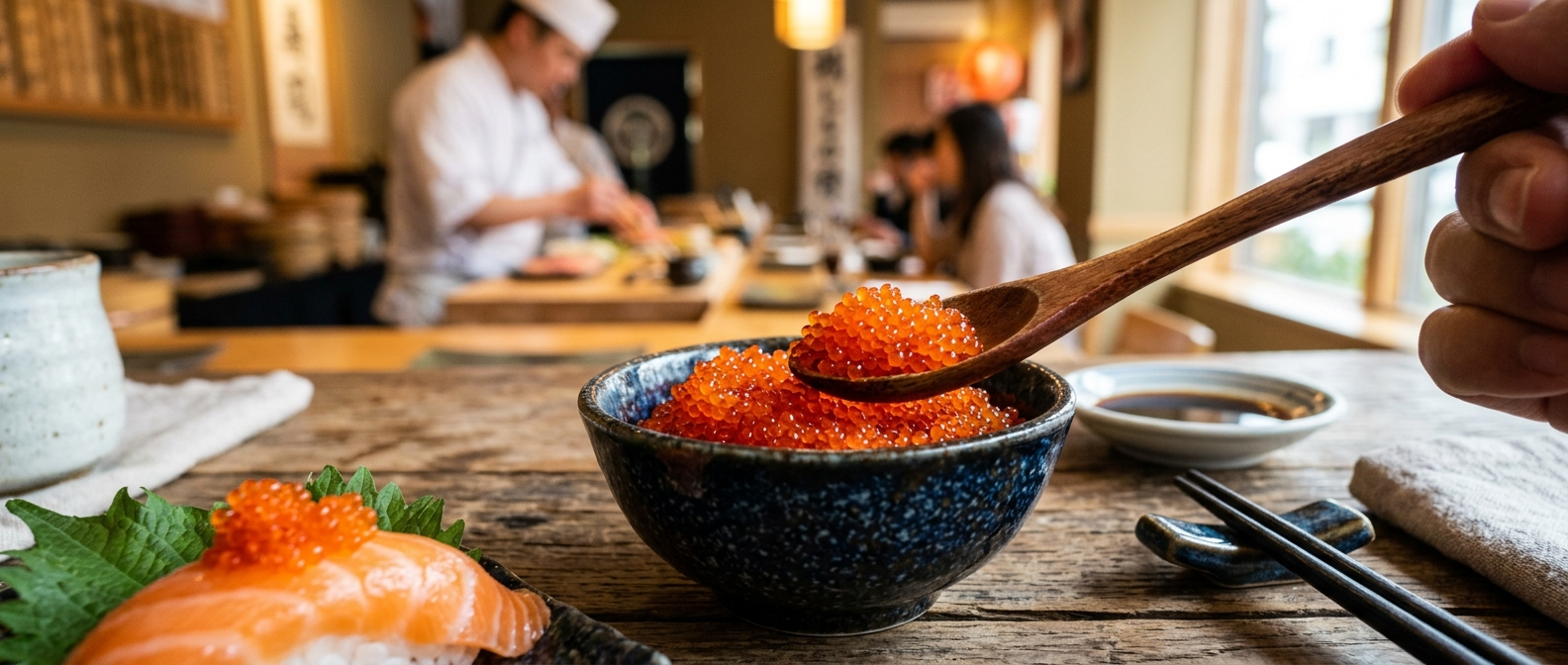
Naturally, the eggs are a pale yellowish-orange. What you see on most sushi? That’s dyed. Orange is the most common color, but restaurants also use black (squid ink-dyed), red, and green masago depending on the roll. It’s mostly visual – the flavor stays the same.
What Does Masago Actually Taste Like?
Mild. That’s the straightforward answer.
Masago has a gentle brininess- like a soft ocean note rather than anything sharp or fishy. It doesn’t overpower whatever it’s paired with, which is exactly why it works so well in sushi. It adds a subtle saltiness and a little textural interest without fighting the other ingredients.
If you’re expecting a bold, punchy, pop-in-your-mouth flavor – you’re actually thinking of tobiko. Which brings us to the comparison everyone wants to know about.
Masago vs. Tobiko – What’s the Actual Difference?
These two get confused constantly, even at restaurants.
Masago comes from capelin. It’s smaller, softer, milder, and more affordable. The texture is fine and slightly grainy. There’s no real pop when you bite into it – just a gentle, briny finish.
Tobiko comes from flying fish. The eggs are larger, have a distinctly crunchier texture, and deliver a satisfying little pop. The flavor is bolder and slightly sweeter. It’s also noticeably more expensive – which is why some restaurants quietly swap in masago when a dish technically calls for tobiko.
Neither is better. They just do different things. Masago integrates. Tobiko performs.
Is Masago Good for You?
For something this small, it carries a surprisingly solid nutritional profile.
Masago is rich in protein and omega-3 fatty acids– the kind that support brain function and cardiovascular health. It’s also a good source of vitamin B12 and selenium. Calorie count is low, sitting around 40 calories per tablespoon.
The one thing to watch: it’s salted during processing, so the sodium content is real. As a topping or ingredient, you’re using small amounts, which keeps it manageable. But if you’re tracking sodium closely, it’s worth being aware of.
Also worth knowing: some people have allergies to fish roe. If this is your first time trying it, start small and see how your body responds.
How Is Masago Used in Cooking?
Sushi is the obvious answer, but masago goes further than most people realize.
In sushi and rolls: This is the classic use – coating the outside of rice on a California roll, topping nigiri, or adding color to a spicy tuna roll. It’s in a huge percentage of sushi you’ve already eaten.
As a simple topping: A small spoonful over a rice bowl, a cucumber salad, or even avocado toast gives you a salty, textural finish that genuinely elevates the dish.
In spicy masago sauce: Mix masago with Japanese mayo and a touch of sriracha. That creamy, slightly spicy, lightly briny sauce is what a lot of sushi restaurants drizzle over rolls. Make it once and you’ll want to put it on everything.
In poke bowls: A small scoop on top adds texture and a pop of color that makes the bowl feel put-together. Restaurants charge extra for it. At home, it costs pennies per serving.
On eggs: High-end brunch spots use it as a garnish on scrambled eggs, deviled eggs, or egg-topped rice dishes. It sounds fancy. It’s actually just really good.
Where to Buy Masago
Easier than you’d think.
Your most reliable option is a Japanese or Asian grocery store – look in the freezer section. It usually comes in small jars or sealed containers, already seasoned and colored. Whole Foods and specialty seafood markets also carry it, as do a growing number of mainstream supermarkets.
Online works too. Japanese food import retailers stock it, and it ships frozen.
Storage note: Keep it frozen until you’re ready to use it. Once opened, refrigerate it and use it within 3–4 days. It doesn’t hold long after thawing, so don’t open the jar unless you actually have a plan for it.
One Thing Worth Knowing About Sustainability
Capelin populations have faced strain from overfishing in certain regions over the years. If sourcing matters to you- and it’s reasonable to think it should- look for masago from fisheries certified by the Marine Stewardship Council (MSC). It’s not always easy to find, but it’s worth checking when you’re buying.
The Short Version
Masago is capelin roe. It’s tiny, mildly briny, versatile, and already a part of most people’s sushi experience without them realizing it. Once you start cooking with it at home, you’ll find it’s one of those small ingredients that does a lot.
Try it in a sauce first – masago mayo with a little sriracha. That’s the fastest way to understand what all the fuss is about.
Small things. Big flavor.
FAQs
Is masago raw or cooked?
Masago is not cooked but it is cured and salted during processing. It is safe to eat straight from the jar.
Is masago safe during pregnancy?
Most health guidelines recommend avoiding raw fish roe during pregnancy due to potential bacteria. Consult your doctor before eating masago while pregnant.
Is masago vegan?
No. Masago is fish eggs and is not suitable for vegans or vegetarians.
Why is masago dyed different colors?
Natural masago is pale yellow-orange. Restaurants dye it black, red, or green purely for visual presentation. The flavor stays the same regardless of color.
How long does masago last once opened?
Once opened, masago should be refrigerated and consumed within 3 to 4 days. Keep it frozen until ready to use.
Can I use masago instead of tobiko in recipes?
es. Masago works as a substitute for tobiko in most recipes. The main difference you’ll notice is less texture pop and a milder flavor.
Where is masago from originally?
Masago comes from capelin fish found in the North Atlantic and Arctic Ocean, primarily harvested from waters around Iceland, Norway, and Canada.