The Best Fluffy Pancakes recipe you will fall in love with. Full of tips and tricks to help you make the best pancakes.

Here’s the full article with external links, internal links and FAQs added:
You’ve eaten it. Probably more than you realize.
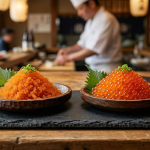
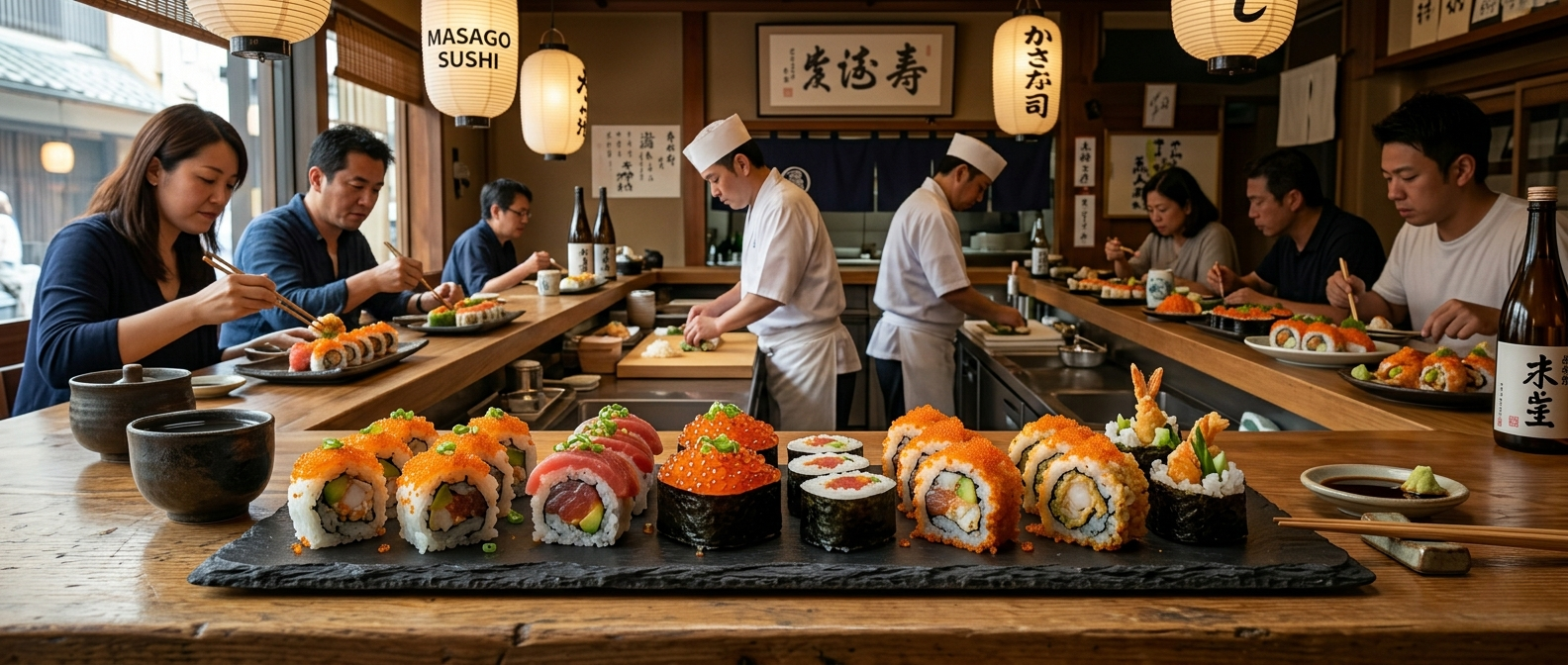
Those tiny orange beads coating the outside of a California roll, speckling a spicy tuna cone, or sitting in a neat little pile on top of a piece of nigiri – that’s masago. It’s one of the most common ingredients in Western-style sushi, and most people have zero idea what they’re actually eating.
So let’s fix that. What is masago in sushi, how does it get there, and why do chefs keep reaching for it? Here’s the full picture.
What Masago Actually Is
Masago is the roe – meaning the eggs – of the capelin fish. Capelin (Mallotus villosus) is a small, cold-water fish from the smelt family, swimming around the North Atlantic and Arctic Ocean. It’s not a fish most people have ever eaten whole. But its eggs show up on sushi menus everywhere.
The name “masago” comes from the Japanese word for sand – and once you’ve seen it, you get it immediately. The eggs are tiny, almost grainy in texture, and they cluster together in a way that looks like fine, bright-colored sand coating the outside of a roll.
In their natural state, capelin eggs are a pale yellowish-orange. What you see at most restaurants is dyed – orange being the most common, but black (squid ink), red, and green versions exist too. The color is mostly aesthetic. The flavor doesn’t change based on what shade it’s been dyed.
Why Sushi Chefs Use It
Masago didn’t end up on sushi menus by accident. It earns its place for a few specific reasons.
It’s affordable without tasting cheap. Fish roe is a broad category – some of it costs a fortune (caviar), some is mid-range (tobiko), and masago sits at the more accessible end. For restaurants, it delivers a premium visual and a solid flavor at a price point that makes sense across a whole menu.
The mild flavor plays well with others. Sushi is about balance. Masago’s gentle brininess adds a layer of flavor without competing with whatever it’s sitting next to. It knows its role.
The texture adds something without being distracting. The fine, slightly grainy texture gives each bite a little more interest. Take it away and something feels missing.
It looks great. In sushi, presentation matters. A roll coated in bright orange masago photographs beautifully and looks vibrant on a plate.
Where You’ll Find It on a Sushi Menu
Once you know what to look for, masago shows up constantly.
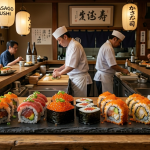
California rolls – this is probably the most common place you’ve eaten masago without knowing it. Most California rolls are coated on the outside with masago, pressed into the rice before rolling.
Spicy tuna rolls – masago often coats the outside, and in some preparations it’s mixed into the filling itself.
Spider rolls – soft-shell crab rolls frequently include a masago coating on the rice exterior.
Masago nigiri – a small mound of masago sits directly on top of rice. Simple, clean, lets the roe speak for itself.
Rainbow rolls and specialty rolls – most elaborate house rolls include masago somewhere.
Sauces and drizzles – spicy masago sauce, made with Japanese mayo and a touch of heat, is one of the most common finishing sauces in Western sushi restaurants.
What It Tastes Like in Context
On its own, masago is mild – a gentle, clean brininess with just a hint of ocean. Want the full flavor breakdown? Read our complete guide to what masago tastes like.
In a sushi roll, that flavor does something specific: it gives the outside of the rice a slightly salty, savory note that rounds out the whole bite. The rice exterior would taste flat without it. The masago is doing quiet but real work.
Masago vs. Tobiko on a Sushi Menu
If you’ve seen both on a menu and wondered what the difference is, we’ve covered this in detail. Here’s the short version:
Tobiko vs masago – tobiko comes from flying fish, is larger, has a noticeable pop, and has a bolder slightly sweet flavor. It’s also more expensive.
Masago comes from capelin, is smaller, softer, milder, and more affordable. Some restaurants substitute masago where a dish traditionally calls for tobiko – the visual difference is subtle and most diners don’t notice.
Both are legitimate sushi ingredients. They just do slightly different things.
Can You Make It at Home?
Absolutely. Masago is more accessible than people think.
You’ll find it in the freezer section at Japanese and Asian grocery stores – usually in small jars or sealed containers, already seasoned and colored.
Once you have a jar, the easiest starting point is a spicy masago sauce: mix masago with Japanese mayo (Kewpie is the brand to use) and a little sriracha. Keep it frozen until you need it, and once opened, use it within 3-4 days according to FDA seafood safety guidelines.
The Short Answer
Masago in sushi is capelin roe – small, mildly briny fish eggs that coat rolls, top nigiri, and show up in sauces across basically every sushi menu you’ve ever looked at. Not the star of the show, but the ingredient that quietly makes everything else taste better.
You’ve been eating it for years. Now you know exactly what it is.
Explore more food stories on Masago
Small things. Big flavor.
FAQs
What is masago in sushi made of?
Masago is the roe of the capelin fish, a small cold-water fish from the smelt family found in the North Atlantic and Arctic Ocean.
Is masago raw?
Masago is not cooked but it is cured and salted during processing. It is safe to eat straight from the jar.
Why is masago different colors?
Natural masago is pale yellowish-orange. Restaurants dye it black, red, or green purely for visual presentation. The flavor stays the same regardless of color.
Is masago the same as caviar?
No. Caviar comes from sturgeon and is significantly more expensive and bolder in flavor. Masago is capelin roe – more affordable, milder, and widely used in everyday sushi.
Is masago healthy?
Masago contains omega-3 fatty acids, protein, and vitamin B12. It is high in sodium due to curing so consume in moderation.